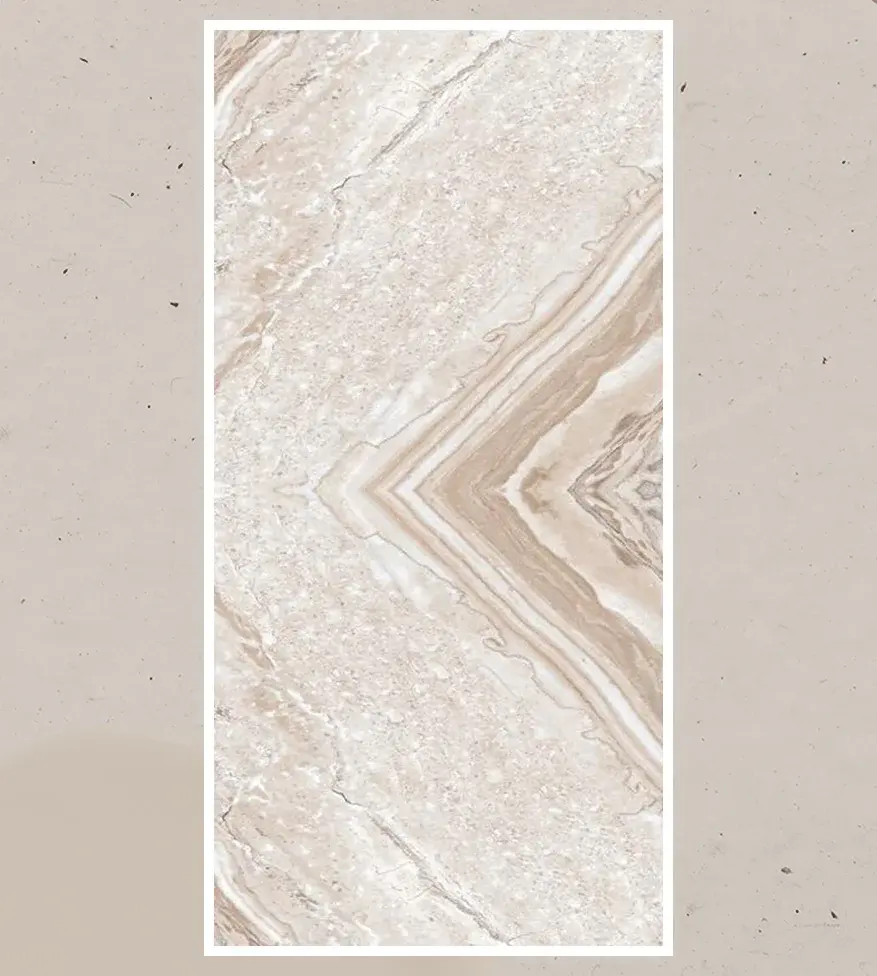
Everything You Need to Know About Travertine Tiles & Flooring
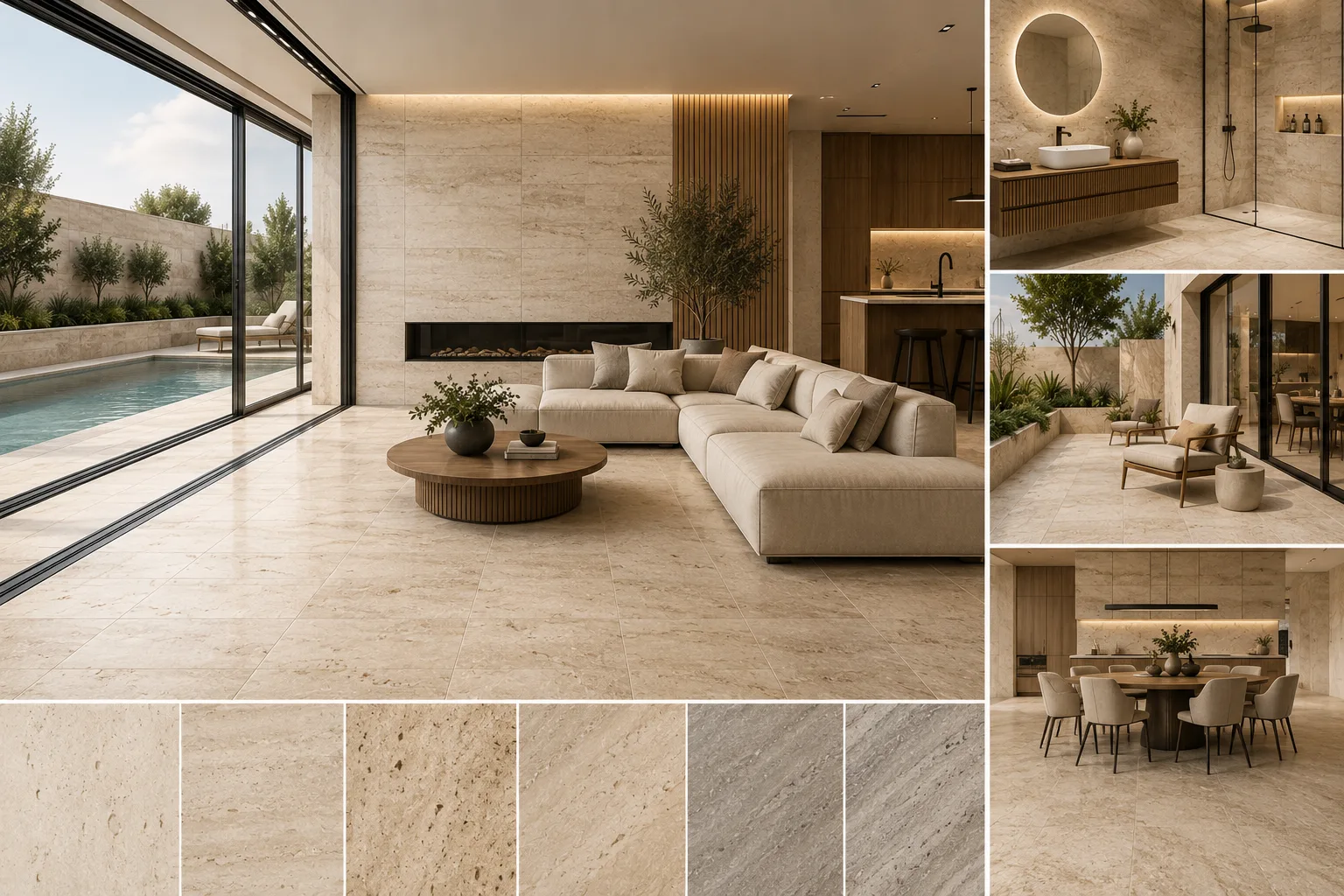
Travertine has been used as a building material for thousands of years - the Colosseum in Rome is built largely from it - and it remains one of the most popular natural stone choices for flooring, walls, and outdoor surfaces today, prized for its warm, earthy tones and distinctive porous texture. But travertine is also a material with real trade-offs: it requires more maintenance than many alternatives, and its natural variability means no two installations look quite the same, for better or worse depending on what a buyer is looking for.
This guide covers everything you need to know about travertine tiles and flooring - what it actually is, the different types and finishes available, its genuine benefits and drawbacks, where it performs best, how to maintain it long-term, and how it compares to modern porcelain alternatives that replicate its look with fewer maintenance demands.
Whether you're set on natural travertine or still deciding between natural stone and a porcelain alternative, this guide is meant to give you the full, honest picture before you commit.
1. What Is Travertine? Origins and Formation
Travertine is a form of limestone formed by the rapid precipitation of calcium carbonate, typically around mineral hot springs and limestone caves. This formation process is what gives travertine its signature characteristic: a naturally porous, pitted texture created by gas bubbles trapped in the stone as it formed, along with the warm, earthy colour range - from ivory and beige through gold, walnut, and rust tones - that has made it a design staple for centuries. Major travertine deposits are found in Italy, Turkey, Iran, Mexico, and the United States, with Italian and Turkish travertine among the most widely used in construction and design globally.
2. Types and Finishes of Travertine Tiles
Filled and honed travertine: the natural surface pits are filled (typically with a resin or cement-based filler) and then honed to a smooth, matte finish - the most common choice for interior floors given its more consistent, easier-to-clean surface.
Unfilled (tumbled or brushed) travertine: the natural pits are left open, creating a more rustic, textured surface popular for a Tuscan or Mediterranean design aesthetic and for outdoor applications where the texture adds slip resistance.
Polished travertine: filled and polished to a high-gloss finish, giving a more formal, marble-like appearance, though polishing can reduce the stone's natural slip resistance.
Brushed travertine: mechanically brushed to remove the softest material from the surface, creating a texture between honed and tumbled, with a slightly aged appearance.
3. Benefits of Travertine Flooring
Natural, warm aesthetic. Travertine's earthy tones and organic texture bring a warmth and timeless character that manufactured materials often struggle to fully replicate.
Genuine material value. As a natural stone, travertine carries an inherent material prestige that can add to a property's perceived and resale value in the right market.
Cool underfoot in hot climates. Travertine's natural properties keep it relatively cool to the touch, making it a popular flooring choice in warm-climate regions, particularly for outdoor patios and pool surrounds.
Good slip resistance in tumbled/unfilled finishes. The natural texture of unfilled travertine provides genuine grip, a practical advantage for outdoor and pool-area use.
Longevity when properly maintained. Travertine has been used in construction for millennia - with proper sealing and care, it can last for generations.
4. Drawbacks and Maintenance Challenges of Natural Travertine
Porosity and staining risk. Travertine's natural pores make it vulnerable to staining from oil, wine, acidic substances, and even prolonged water exposure if not properly sealed and re-sealed over time.
Ongoing sealing requirements. Unlike porcelain, travertine requires regular resealing - typically every one to three years depending on use and traffic - to maintain both its appearance and its resistance to staining and moisture.
Susceptibility to acid etching. Common household substances like vinegar, citrus, and many cleaning products can etch and dull travertine's surface, requiring careful product selection for cleaning.
Natural variability. Colour and pattern variation between tiles from the same batch, while part of the material's appeal to many buyers, can be a drawback for those wanting a more uniform, predictable appearance.
Higher long-term maintenance cost. Between periodic sealing, careful cleaning product selection, and occasional professional restoration, travertine's total cost of ownership is meaningfully higher than a low-maintenance porcelain alternative.
5. Best Applications for Travertine Tiles
• Interior flooring in low-to-moderate spill-risk areas, such as living rooms, hallways, and entryways
• Bathroom walls and floors, provided sealing is properly maintained given the wet environment
• Outdoor patios and pool surrounds, particularly unfilled/tumbled finishes, which offer genuine slip resistance and stay cool underfoot
• Feature walls and fireplace surrounds, where the material's natural texture and warmth are a design focal point
• Mediterranean, Tuscan, and rustic-style interior and exterior design schemes, where travertine's organic character is a core part of the aesthetic
6. Travertine vs Marble vs Limestone
Travertine vs marble: Both are calcium-carbonate based stones, but marble is typically denser, harder, and available in a wider range of dramatic veining patterns, generally at a higher price point. Travertine's natural porosity and texture give it a warmer, more rustic character than marble's typically smoother, more formal appearance.
Travertine vs limestone: Travertine is technically a type of limestone formed through a specific mineral-spring process, giving it the characteristic pitted texture that distinguishes it from more uniformly textured limestone varieties. Both share similar porosity and maintenance requirements.
For buyers choosing between the three, the decision often comes down to desired aesthetic (travertine's rustic warmth vs marble's formal elegance vs limestone's understated uniformity) as much as performance characteristics, since all three natural stones share broadly similar maintenance demands.
7. Sealing, Cleaning, and Long-Term Maintenance
15.Seal travertine immediately after installation, and reseal every one to three years depending on traffic and exposure - high-traffic and wet areas need more frequent resealing.
16.Clean with pH-neutral stone cleaners specifically formulated for natural stone - avoid vinegar, citrus-based cleaners, and other acidic products that can etch the surface.
17.Wipe up spills promptly, particularly oil, wine, and acidic substances, to minimise staining risk on unsealed or worn sealant areas.
18.Use floor mats at entry points to reduce grit and debris that can scratch the surface over time.
19.Address chips or cracks promptly with a professional stone repair service, particularly on filled travertine where the filler material can dislodge over time.
8. Travertine in Outdoor and Wet Areas
Unfilled, tumbled travertine performs genuinely well outdoors - its natural texture provides real slip resistance, and the stone's thermal properties keep it relatively cool underfoot even in direct sun, a genuine practical advantage for pool surrounds and patios in hot climates. That said, outdoor travertine requires vigilant sealing given constant weather exposure, and in climates with freeze-thaw cycles, water trapped in the stone's natural pores can cause cracking or spalling over time if the sealant fails - a maintenance risk worth weighing carefully against porcelain alternatives in cold-climate applications.
9. Cost Considerations for Travertine Flooring
Travertine's upfront material cost typically sits in a mid-to-premium range relative to porcelain, varying considerably by finish, grade, and origin. Beyond the initial material and installation cost, buyers should budget for the recurring costs unique to natural stone: periodic sealing (materials and labour), specialist stone-safe cleaning products, and occasional professional restoration for etching, staining, or wear over the material's lifespan. This total cost of ownership, rather than the initial price alone, is the more meaningful comparison point against a low-maintenance porcelain alternative.
10. Travertine-Look Porcelain: A Modern, Low-Maintenance Alternative
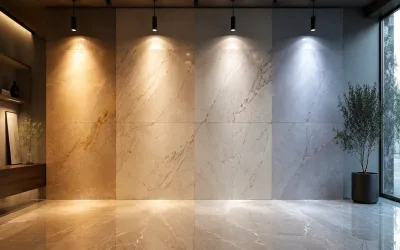
Advances in digital printing and porcelain manufacturing have made it possible to replicate travertine's warm tones and organic texture with striking accuracy, while eliminating the sealing, staining, and etching vulnerabilities that come with the natural material. Travertine-look porcelain offers the same design warmth with porcelain's inherent low water absorption, high scratch and stain resistance, and no ongoing sealing requirement - a genuinely practical alternative for buyers drawn to travertine's aesthetic but wary of its maintenance demands, particularly in high-traffic, wet, or outdoor applications.
The trade-off is authenticity: travertine-look porcelain, however well made, is a manufactured replica rather than the natural material itself, and buyers for whom that distinction matters - for heritage restoration projects, for instance, or simply for the appeal of a genuinely natural material - may still prefer natural travertine despite the added maintenance.
11. How to Choose Between Natural Travertine and Porcelain Alternatives
Choose natural travertine if: authenticity and natural material character are a priority, you're comfortable with (or already plan for) ongoing sealing and careful maintenance, and the application is lower-risk for staining (living areas, low-spill zones).
Choose travertine-look porcelain if: you want the aesthetic without the maintenance commitment, the application is high-traffic, wet, or outdoor and cold-climate, or you're managing a large project where consistent appearance and lower total cost of ownership matter more than material authenticity.
12. Working with Probity Ceramic LLP: What Sets Us Apart
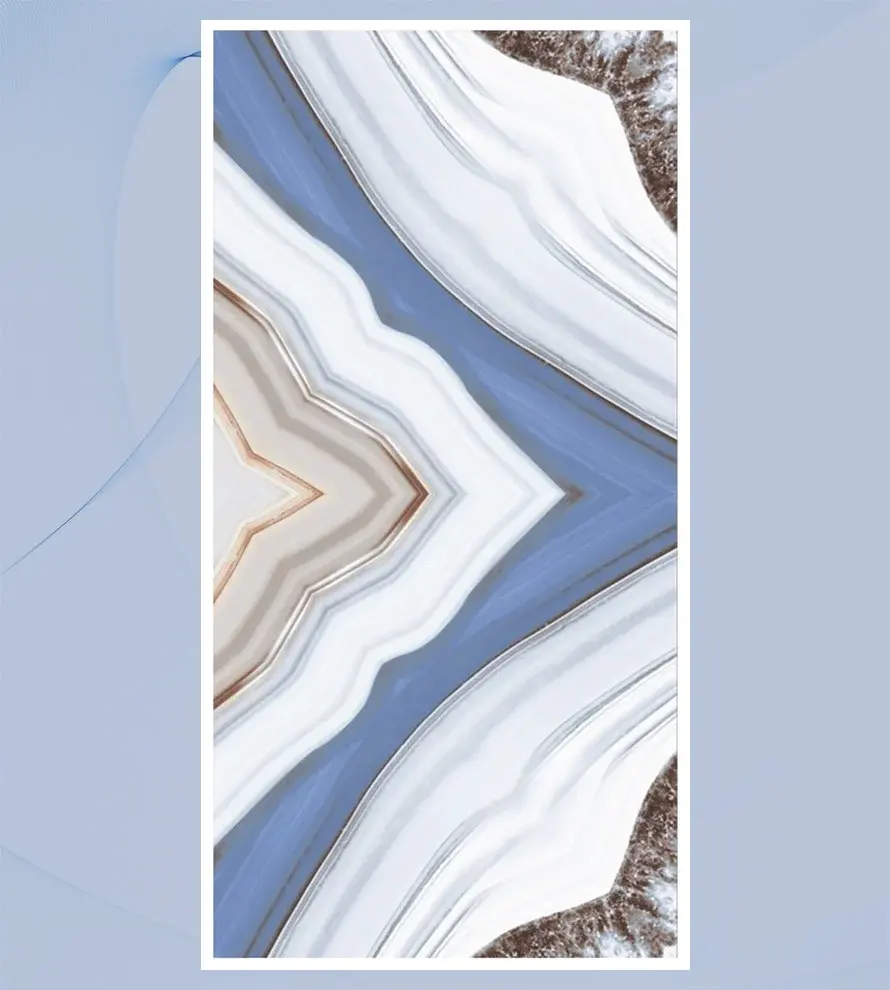
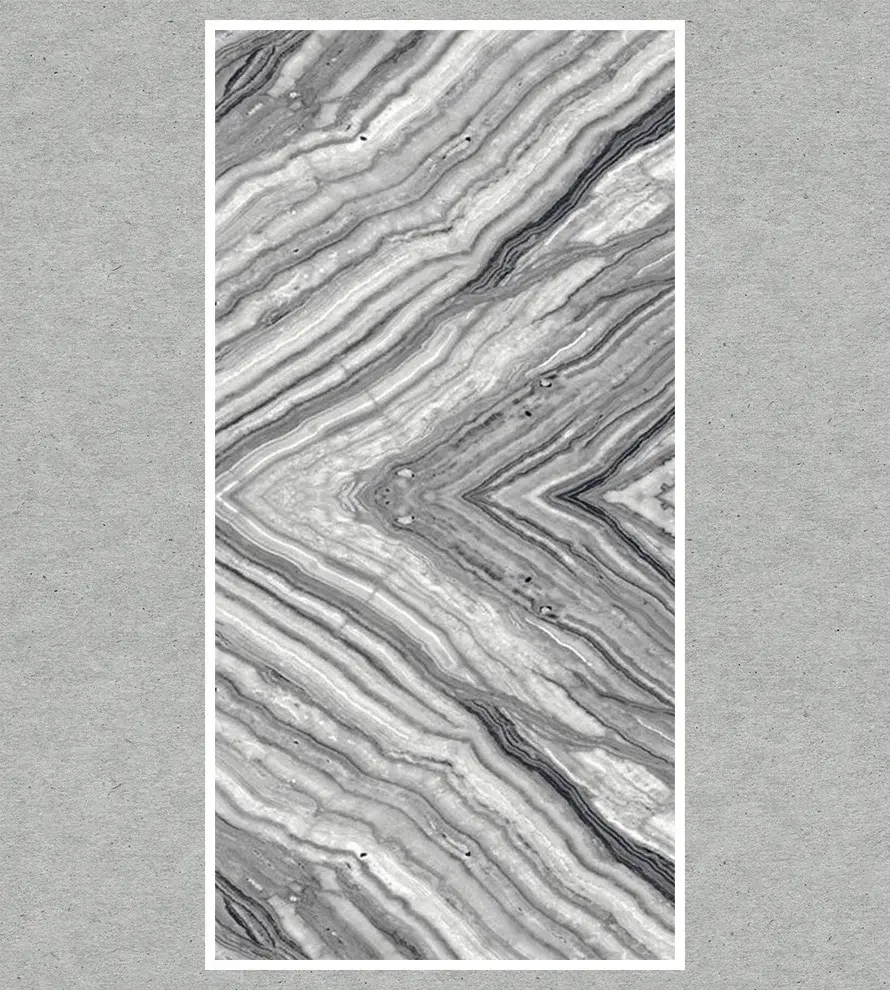
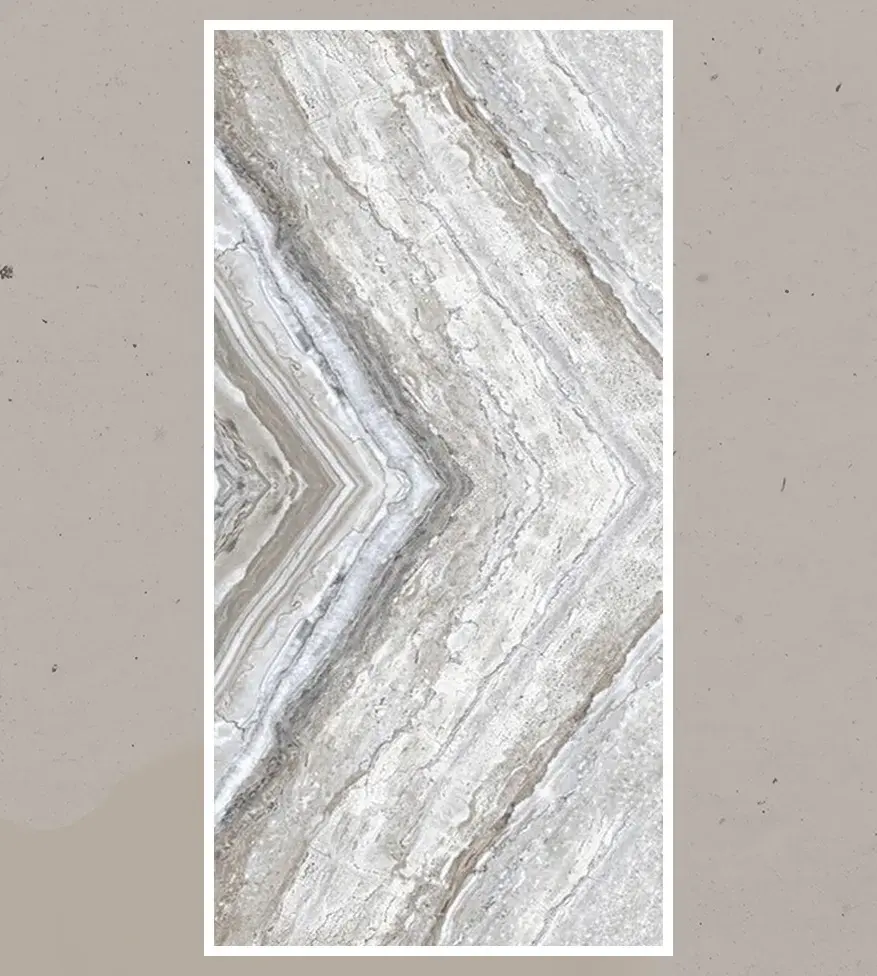
Probity Ceramic LLP manufactures premium travertine-look porcelain tiles and slabs, designed to capture the warmth and organic texture of natural travertine with the durability and low maintenance of engineered porcelain.
Our travertine-look range includes:
• High-definition digital printing replicating travertine's natural veining, pitting, and tonal variation with multiple print variations per batch to avoid a repetitive pattern
• Matte, honed-look, and lightly textured finishes replicating the range of natural travertine finishes
• Standard and large-format sizes, including options suited to monolithic, minimal-grout installation
• Frost-resistant, low water absorption formulations suited to outdoor and cold-climate applications where natural travertine can struggle
• No sealing requirement, with strong resistance to staining, etching, and scratching for genuinely low ongoing maintenance
What designers and homeowners consistently tell us:
They want travertine's warmth and character for a kitchen, bathroom, or outdoor space, without committing to the resealing schedule and careful product selection natural stone demands - and our travertine-look collections are built specifically to answer that brief.
We work with:
Interior designers and architects specifying travertine-look finishes for residential and hospitality projects, distributors building a natural-stone-alternative product line, and homeowners and contractors seeking travertine's aesthetic with porcelain's practicality.
Conclusion
Travertine remains one of the most beautiful and enduring natural building materials available, and for buyers who value authenticity and are prepared for its maintenance demands, it's a genuinely rewarding choice. But it is not the only way to achieve that warm, organic look - modern travertine-look porcelain now offers a compelling, low-maintenance alternative that closes much of the aesthetic gap while removing the sealing, staining, and etching concerns that come with the natural stone.
The right choice ultimately comes down to how much you value material authenticity against the practical demands of long-term care - and now, for the first time, that's a genuine choice rather than a compromise.
Related Articles
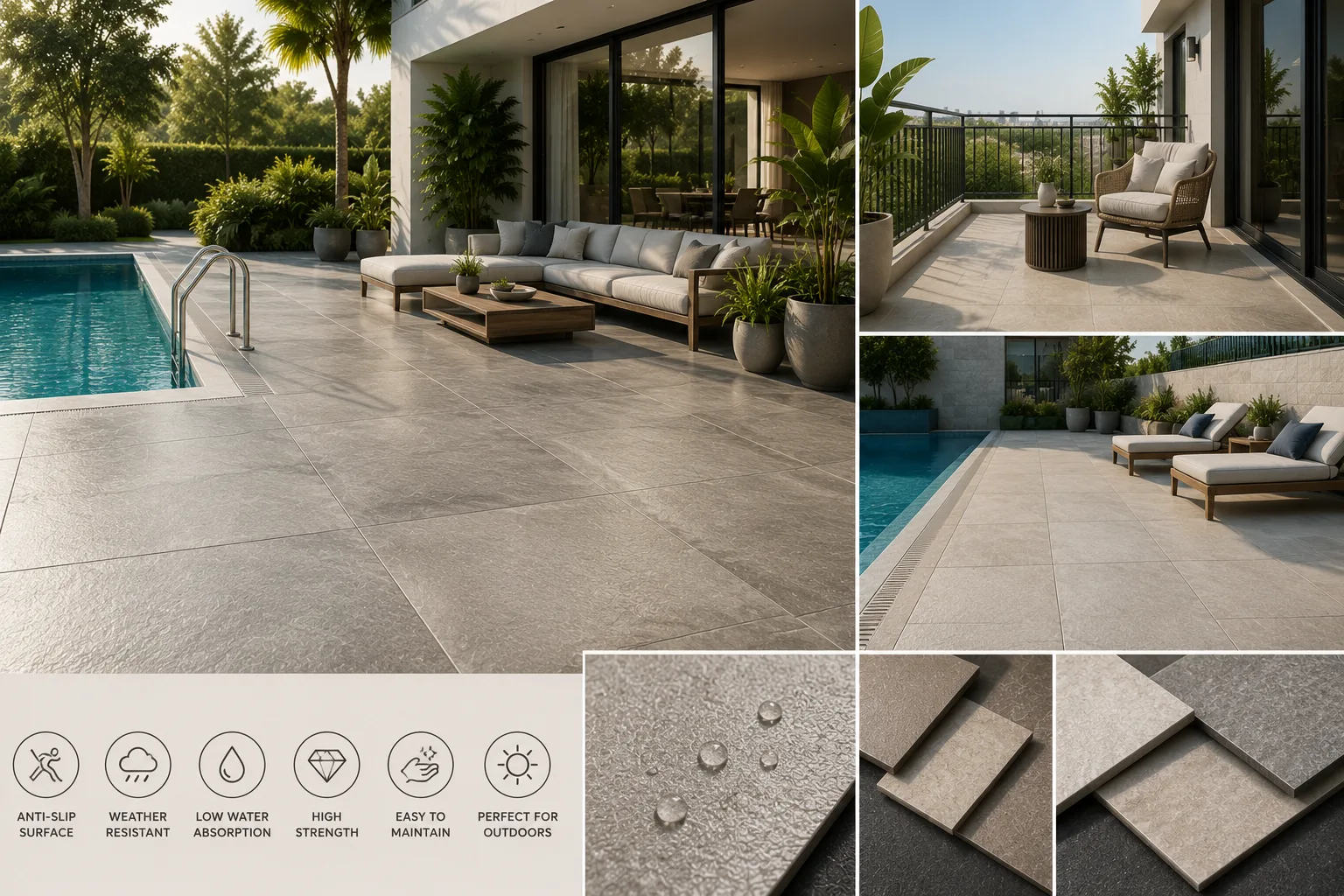
Best Anti-Slip Outdoor Tiles for Patios, Balconies & Pool Areas
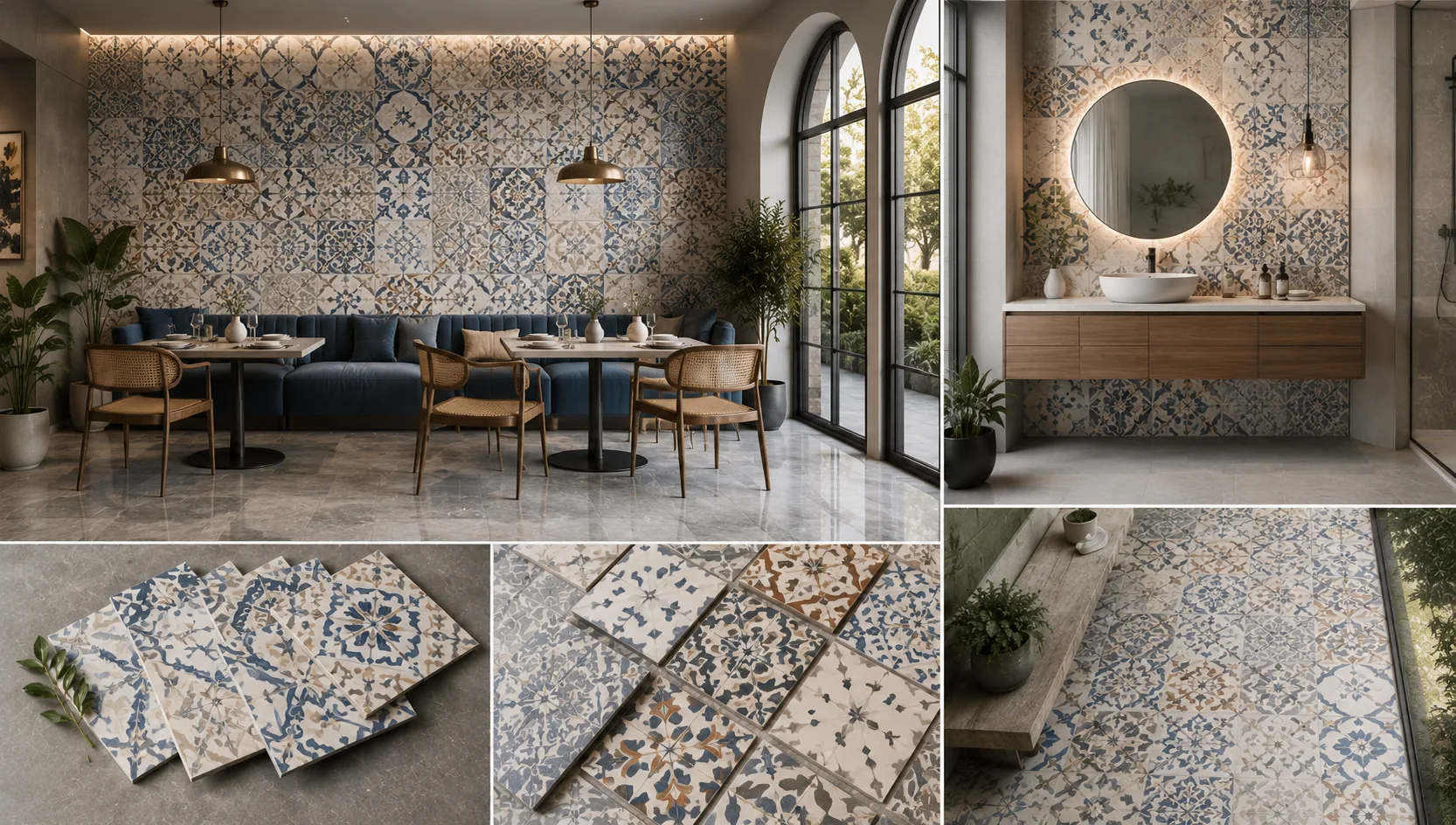
Decorative porcelain tiles