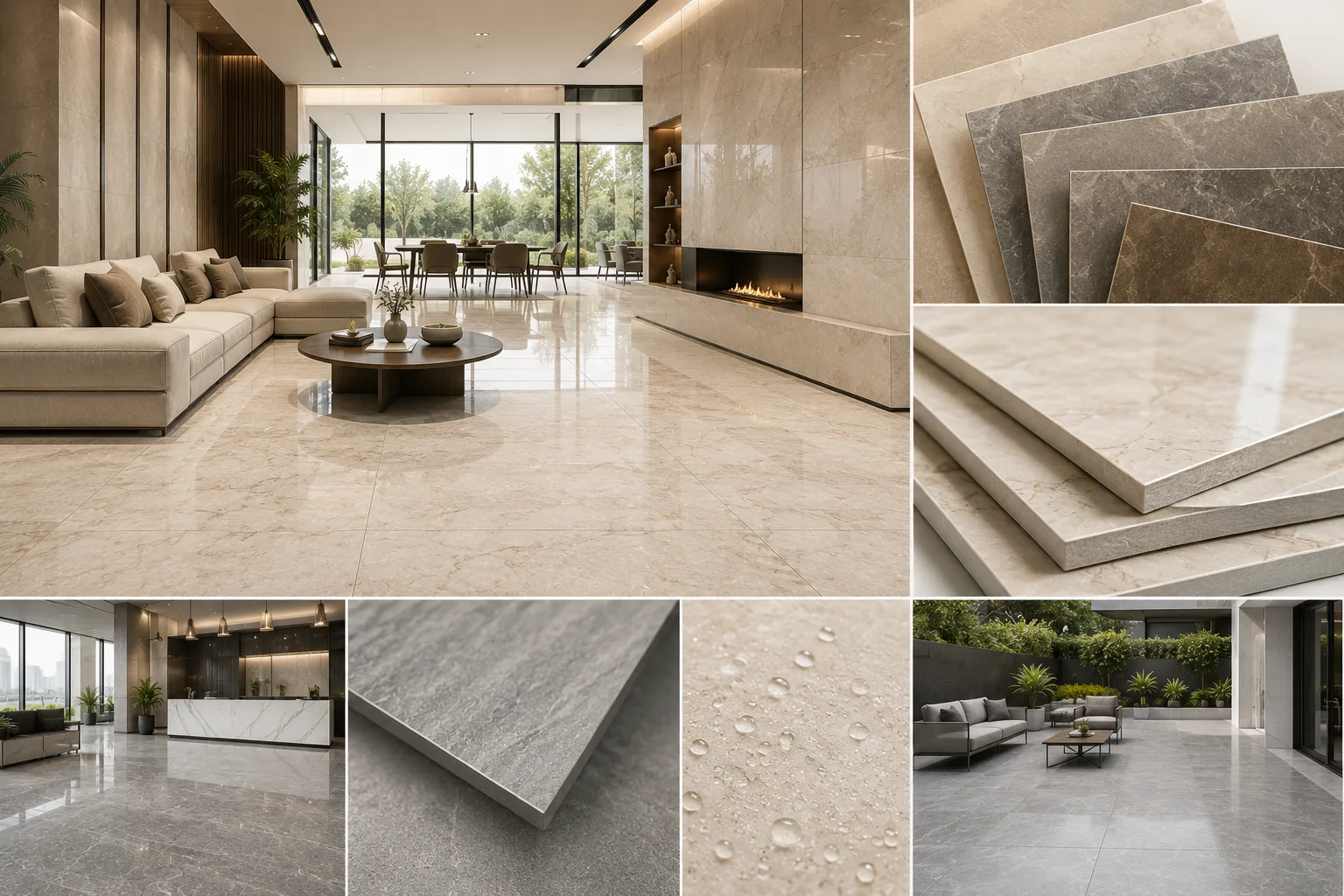
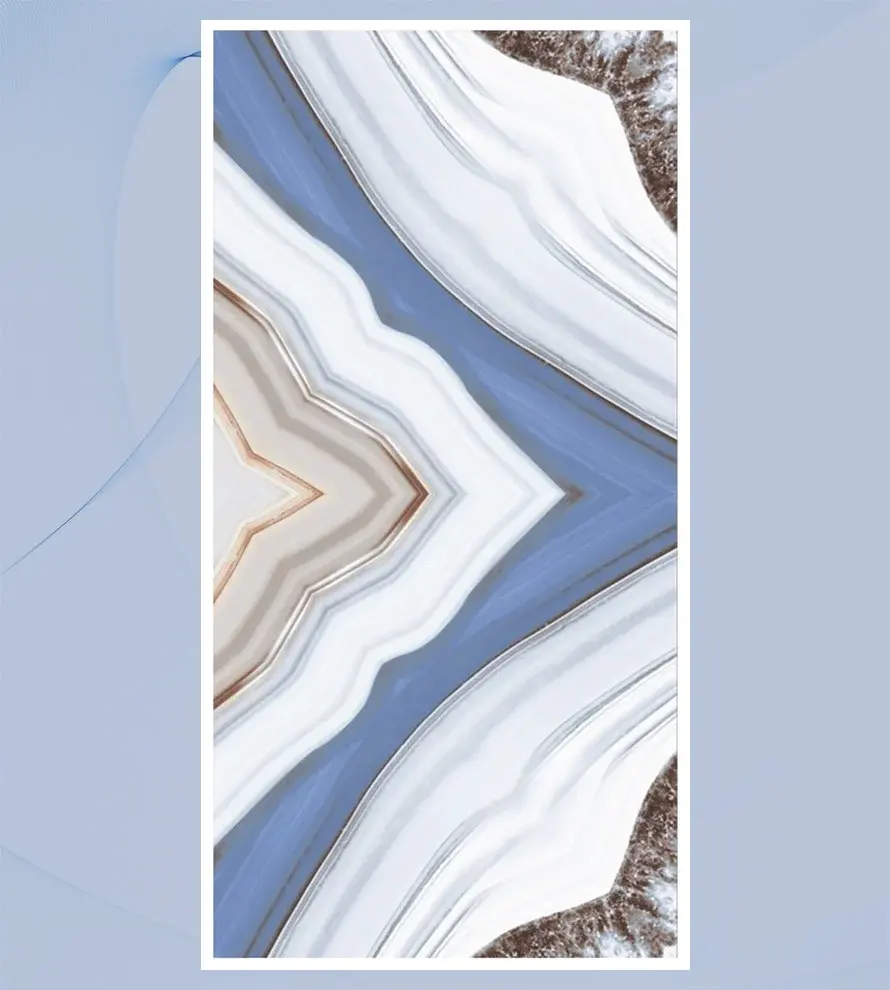
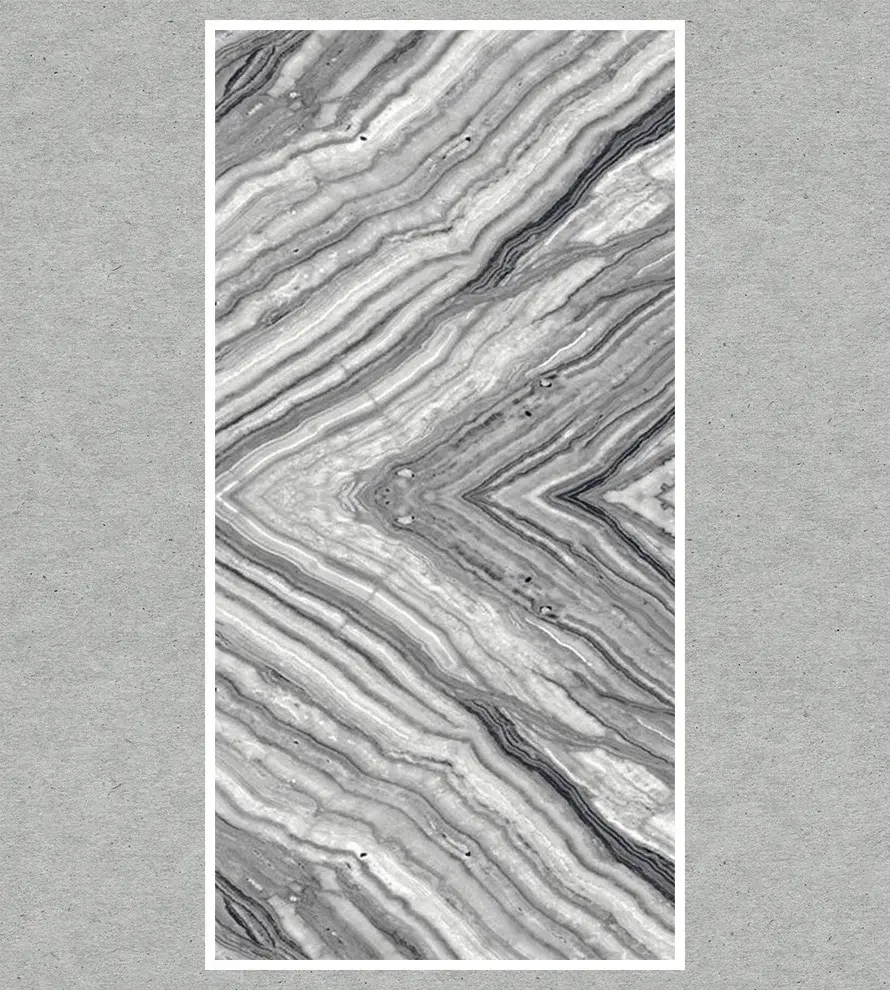
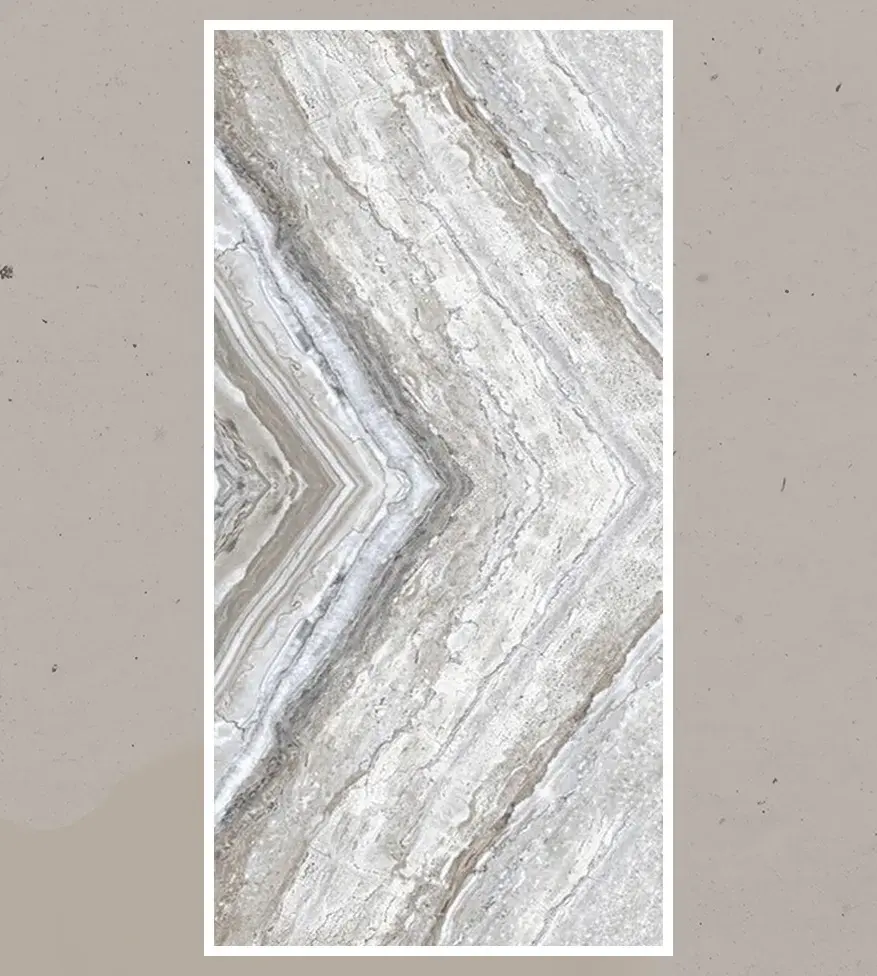
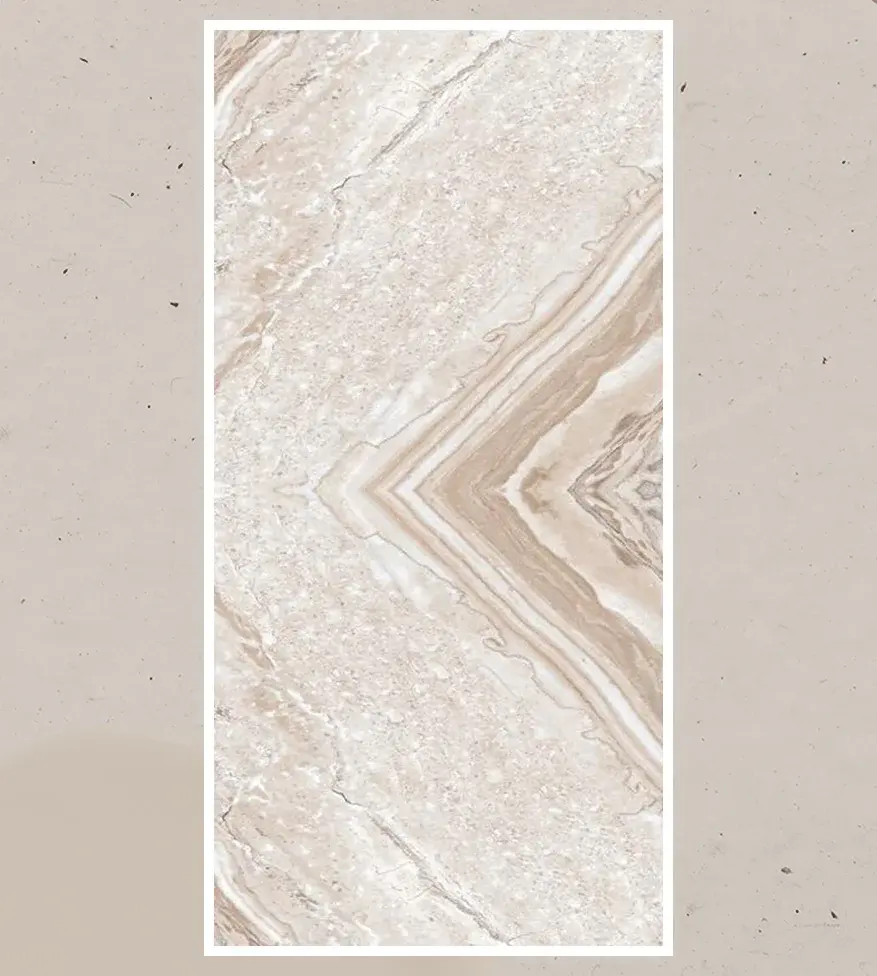
Decorative Porcelain Tiles: Types, Benefits & Design Ideas
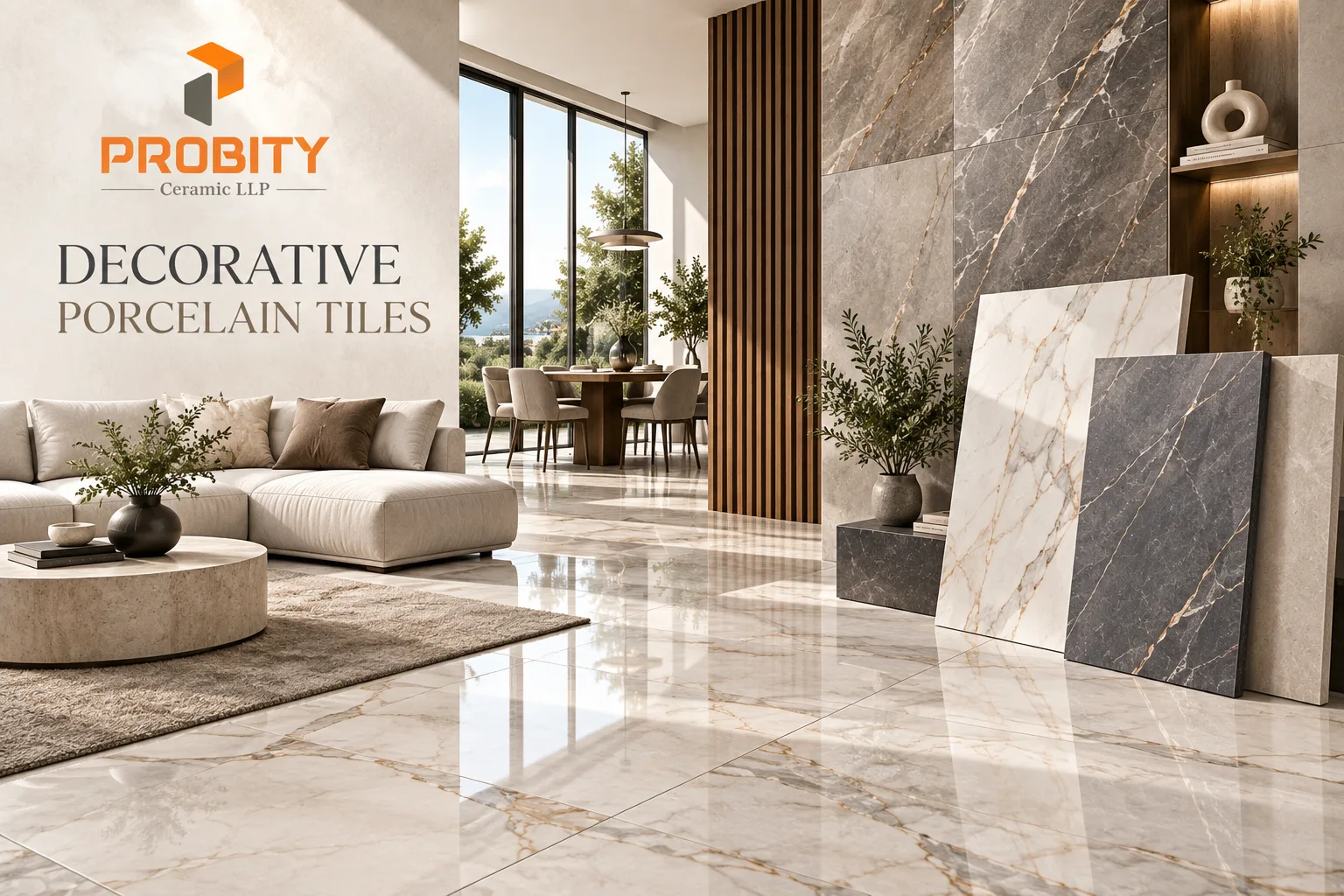
Not every tile in a project needs to fade into the background. Decorative porcelain tiles exist specifically to do the opposite - to draw the eye, anchor a design scheme, and turn a functional surface into a genuine architectural feature. Thanks to advances in digital printing, embossing, and surface texturing, today's decorative porcelain tiles can achieve effects that would have required hand-crafted ceramics, natural stone, or specialist artisans only a decade or two ago.
This guide covers the main types of decorative porcelain tile available, how they're made, where they work best, and how to combine them thoughtfully with the plainer tile categories that make up the rest of a project.
1. What Are Decorative Porcelain Tiles?
Decorative porcelain tiles are porcelain tiles designed primarily to create visual interest - through pattern, texture, colour, or dimensional relief rather than to serve as a neutral, large-area background surface. They're built on the same dense, vitrified porcelain body as standard tiles, but the surface treatment is engineered specifically to stand out rather than blend in.
This category spans a wide range: bold geometric patterns, 3D textured relief tiles, metallic-effect finishes, encaustic-inspired prints, mosaic-look surfaces, and hand-painted-style designs are all considered decorative porcelain tile, united by their role as a feature element within a broader design scheme.
2. Types of Decorative Porcelain Tiles
Patterned and geometric tiles: Bold repeating patterns, often inspired by Moroccan, Spanish, or Art Deco design traditions, used to create striking floors or feature walls.
3D and textured relief tiles: Tiles with raised or sculpted surface texture, adding dimensional depth and shadow play that flat tiles can't achieve.
Encaustic-look tiles: Digitally printed porcelain reproducing the look of traditional encaustic cement tiles, without the porosity or maintenance demands of the original material.
Mosaic-effect tiles: Porcelain printed or cut to replicate the look of small-format mosaic tilework, offering the visual complexity of mosaic without individual piece installation.
Metallic and lustre-finish tiles: Tiles with a reflective, metallic-toned glaze, often used sparingly as an accent in contemporary or glamorous interior schemes.
Hand-painted-style tiles: Digitally reproduced artisanal patterns that replicate the look of hand-painted ceramic without piece-to-piece variation in production.
3. How Decorative Porcelain Tiles Are Manufactured
Decorative porcelain tiles follow the same core porcelain production process pressing, drying, glazing, and firing with additional techniques applied to create their distinctive surface character:
• High-resolution digital inkjet printing reproduces intricate patterns, colour gradients, and fine detail with strong repeat-to-repeat consistency
• Embossing and mould-pressing techniques create raised or recessed surface texture for 3D and relief-style tiles
• Specialised glaze formulations achieve metallic, lustre, or matte-textured surface effects
• Digital pattern randomisation technology avoids obvious repeat patterns across multiple tiles laid together
4. Key Benefits of Decorative Porcelain Tiles
Design impact without structural change: A feature wall or accent floor can transform a space dramatically without any architectural modification.
Durability of standard porcelain: Decorative tiles carry the same strength, water resistance, and longevity as any other vitrified porcelain product.
Cost-effective statement-making: Achieving a hand-crafted or artisanal look through digital printing is typically far more affordable than sourcing genuine hand-made tile or natural stone.
Consistency at scale: Unlike hand-crafted decorative tile, porcelain versions offer reliable colour and pattern consistency across large orders.
Easy maintenance: Despite their decorative appearance, these tiles clean and maintain the same way as standard porcelain.
5. Where to Use Decorative Porcelain Tiles
Kitchen backsplashes: One of the most popular applications, where a bold pattern adds character without covering large surface areas.
Bathroom feature walls: Behind a vanity or as a shower accent wall, decorative tile creates a focal point within an otherwise neutral space.
Entryway and hallway flooring: Patterned or encaustic-look tile is frequently used to make a strong first impression at a home's entrance.
Commercial and hospitality interiors: Restaurants, boutique retail, and hotel lobbies often use decorative tile to reinforce brand identity and create memorable spaces.
Outdoor accent areas: Patterned tiles rated for exterior use can define pathways, pool surrounds, or patio borders.
6. Design Ideas and Current Trends
• Pairing a bold patterned floor with plain walls and minimal furniture to let the tile be the design statement
• Using 3D textured tiles on a single feature wall to add depth without overwhelming a small space
• Framing decorative tile within a defined border of plain porcelain, especially in entryways and hallways
• Mixing metallic-accent tiles sparingly within a mosaic-effect layout for added visual sparkle
• Using encaustic-look tile in a kitchen or laundry floor for a vintage-inspired, low-maintenance alternative to genuine cement tile
7. Decorative vs Plain Porcelain Tiles: When to Use Which
Decorative and plain porcelain tiles play different roles in a design scheme, and understanding that difference helps avoid over- or under-using either type:
• Primary role: Decorative tiles serve as a visual focal point through pattern or texture; plain tiles serve as a neutral background surface.
• Best coverage area: Decorative tiles work best on accent walls, backsplashes, borders, and smaller floor areas; plain tiles are better suited to large floors, walls, and open areas.
• Visual longevity: Bold decorative patterns are more trend-influenced and may feel dated sooner, while plain tiles tend to be more timeless and easier to update the surrounding decor around.
• Typical cost: Decorative tiles are often priced higher per square metre due to print and texture complexity, while plain tiles are generally more cost-effective for large-area coverage.
A common and effective approach is to use plain porcelain for the majority of a space's surface area, reserving decorative tile for a defined accent zone - this balances visual impact with long-term design flexibility and cost control.
8. How to Combine Decorative Tiles with Other Tile Types
• Anchor a decorative feature wall or floor area with plain porcelain in a complementary tone elsewhere in the room
• Use a single decorative tile family consistently rather than mixing multiple bold patterns in the same sightline
• Coordinate grout colour with the tile's base tone to avoid visually fragmenting an intricate pattern
• Where budget allows, sample the decorative tile alongside your plain tile choice under actual room lighting before finalising
9. Choosing the Right Decorative Tile for Your Space
• Consider the scale of the pattern relative to the room - bold, large-scale patterns can overwhelm small spaces
• Check PEI rating and slip resistance if the decorative tile will be used on flooring rather than walls
• Think about longevity - highly trend-specific patterns are best used in easily updated accent areas rather than permanent, large-scale installations
• Request full-size samples, since decorative patterns are difficult to judge accurately from small swatches or digital renders
10. Maintenance Considerations
Decorative porcelain tiles are maintained the same way as standard porcelain - routine cleaning with a pH-neutral cleaner is generally sufficient. The one consideration worth noting is textured or 3D relief tiles, which can accumulate more dust or grime in recessed areas than a flat surface, and may benefit from a soft brush during cleaning to reach into textured detail.
Conclusion
Decorative porcelain tiles give designers and homeowners a way to introduce genuine visual character into a space without sacrificing the practicality that makes porcelain such a widely used material. From bold patterned floors to subtle metallic accents, the category has expanded significantly as digital printing and surface texturing technology have matured, making design effects that once required hand-craftsmanship achievable at scale and at a fraction of the cost.
Used thoughtfully as a considered accent rather than an overwhelming default - decorative porcelain tile can define a space's character for years while still delivering the durability and easy maintenance that porcelain is known for.
Related Articles
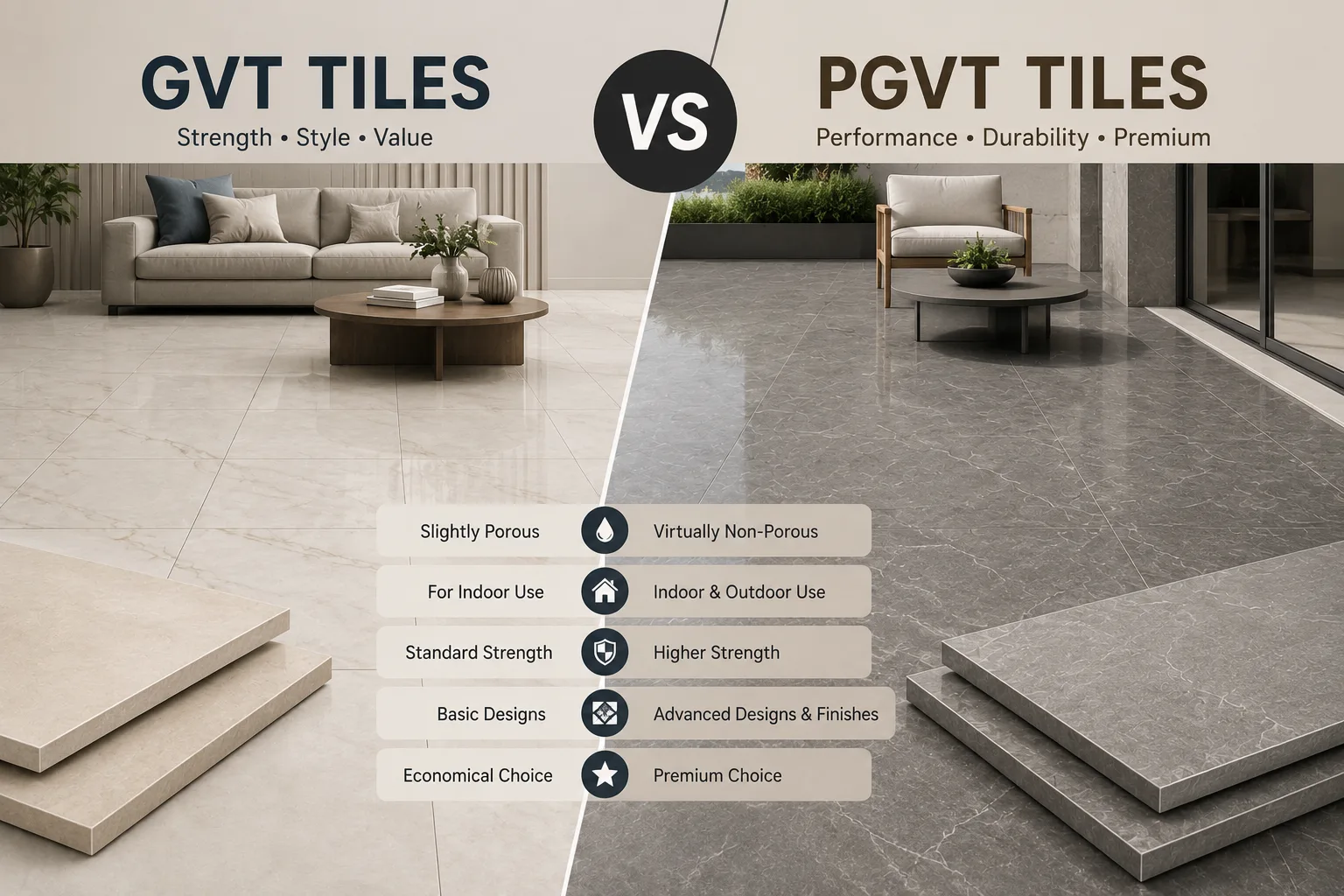
GVT vs PGVT Tiles: Key Differences Explained | Probity Ceramic
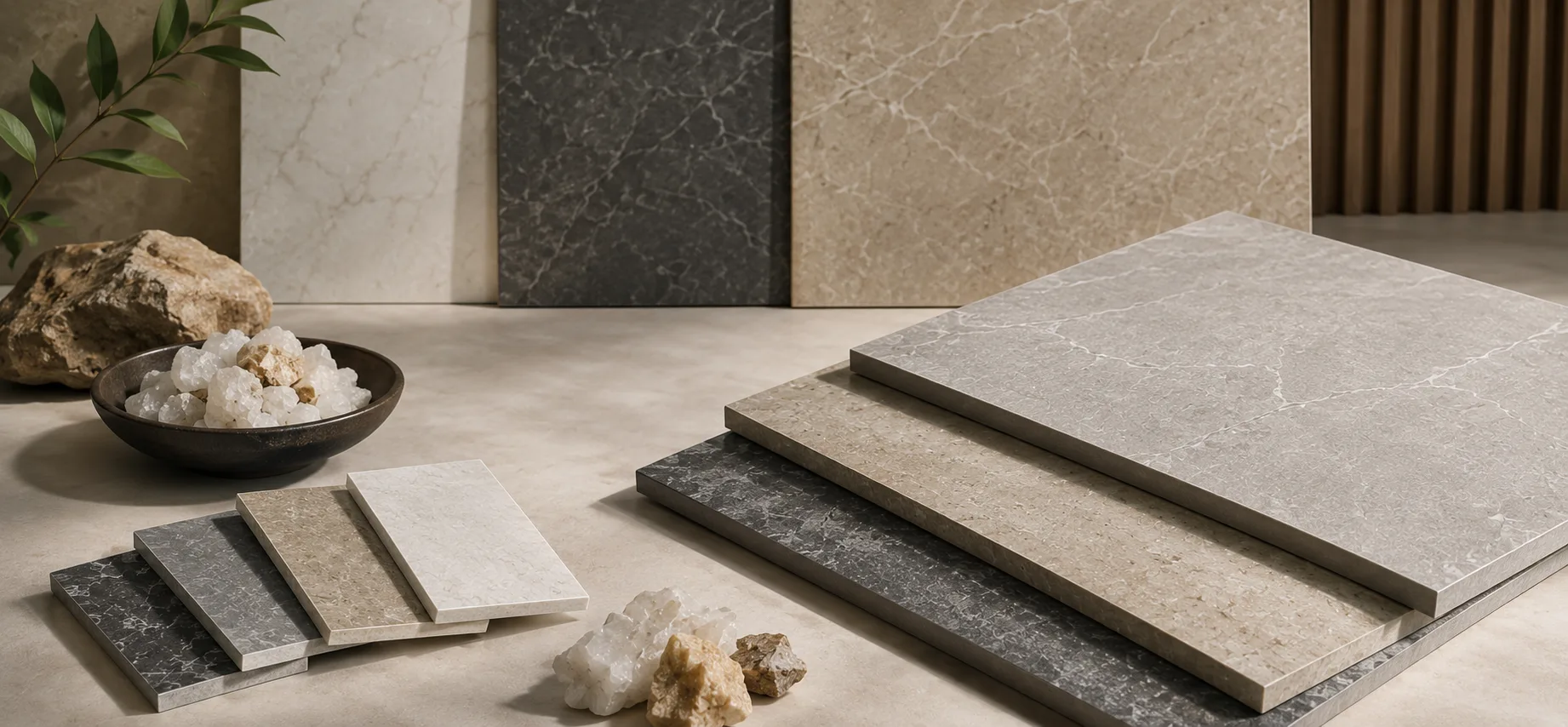
What Are Quartz Body Tiles? | Properties & Uses | Probity Ceramic