
News
What Are Monolithic Tiles? Benefits, Applications & Design Ideas
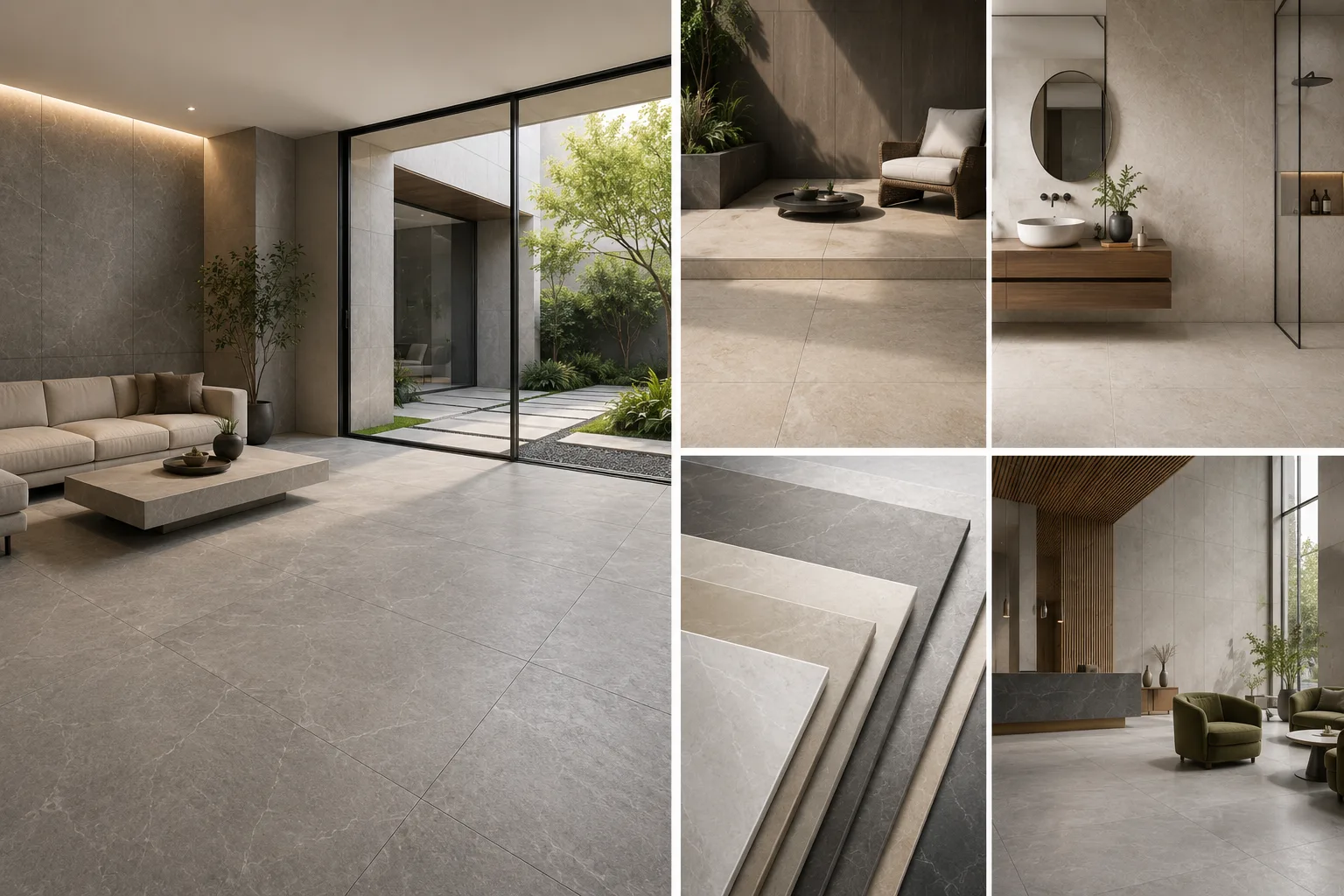
What are monolithic tiles: benefits, applications, and design ideas...
Related Articles
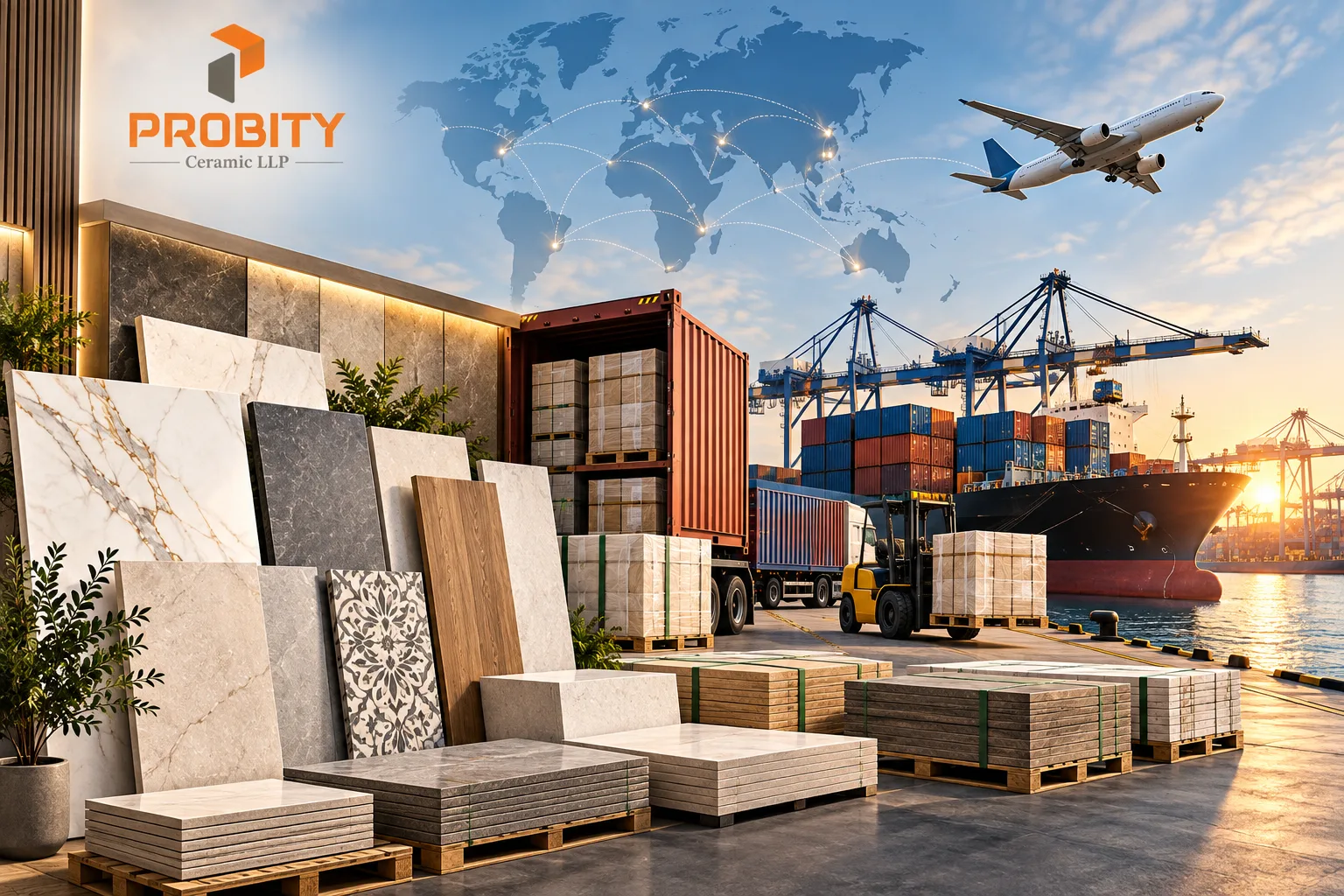
The Complete Guide to Import Tiles from India
India has become an important sourcing destination for ceramic and porcelain tiles, with Morbi, Gujarat at the centre of a highly concentrated manufacturing ecosystem. For an international buyer, however, finding a competitive factory price is only the beginning. A successful import depends on product specification, supplier verification, commercial terms, packaging, documentation, freight planning, destination-market requirements and the manufacturer's ability to deliver the same specification repeatedly.That is why the right question is not simply, “How much do tiles cost in India?” It is, “How do I build a reliable tile supply chain from India to my market?”This guide takes you through that process step by step — from identifying the right tile and manufacturer to requesting samples, negotiating a quotation, preparing the purchase order, planning the container, checking documents and calculating the true landed cost.1. Why Import Tiles from India?India's appeal comes from manufacturing scale, product variety, design capability, competitive production economics and an established export ecosystem. Morbi gives international buyers access to a large concentration of tile manufacturers and supporting suppliers.Buyer RequirementWhy India Can Be RelevantCompetitive sourcingA large manufacturing base creates broad supplier choice and competitive factory pricing.Product rangeCeramic wall tiles, porcelain, GVT, PGVT, vitrified, outdoor tiles and large-format slabs.Design varietyDigital decoration supports marble, stone, wood, concrete and other surfaces.ScaleEstablished factories can support container-scale and repeat procurement.Export infrastructureGujarat's manufacturing base is connected to major container ports and freight services.OEM/private labelSuitable manufacturers can develop buyer-specific packaging and collections.India should not be treated as one uniform supplier base. Manufacturing capability, quality systems, export experience and commercial discipline vary from factory to factory.2. Understand the Indian Tile Manufacturing EcosystemMorbi is more than a city containing tile factories. It is an industrial ecosystem involving manufacturers, raw-material suppliers, machinery and technology providers, glaze and printing specialists, packaging companies, logistics operators and export-service businesses.•Dense supplier choice and easier comparison.•Specialised suppliers supporting product development and manufacturing.•A broad product ecosystem covering standard and premium categories.•Established logistics and export support around the manufacturing cluster.For a first-time importer, the ecosystem is an advantage — but the number of suppliers makes structured due diligence essential.3. Decide Exactly What You Need Before Requesting PricesA manufacturer cannot give a useful, comparable quotation if the enquiry only says “porcelain tiles” or “best price”. Define the requirement first.Product specification•Category: ceramic, porcelain, GVT, PGVT, full body, double charge, outdoor or parking.•Application: residential, commercial, hospitality, retail, outdoor, wet area or heavy traffic.•Size and thickness.•Finish: polished, matt, rustic, carving, sugar, stone, wood, marble or concrete look.•Rectification/calibration and technical performance requirements.Commercial specification•Estimated quantity and frequency.•Trial order or recurring programme.•FCL or mixed-container requirement.•Destination country and port.•Preferred Incoterm.•Standard or private-label packaging.A detailed enquiry brief makes supplier quotations genuinely comparable.4. How to Find and Verify a Tile Manufacturer in IndiaSearch engines, trade portals, catalogues and recommendations create a shortlist; they do not prove manufacturing capability.VerificationWhat to CheckCompany identityLegal entity, registered address, GST and IEC information where relevant.FactoryActual manufacturing location and operating entity.CapabilityProducts, sizes, equipment and production capacity relevant to your order.QualityInspection stages, shade control, calibration and batch traceability.Export recordMarkets served and experience with your destination.SamplesProduction samples and technical documents.AuditPhysical or video factory audit for meaningful orders.A trading company can be legitimate, but the buyer should understand who actually manufactures the tiles and who is contractually responsible for quality.5. Samples, Quality Checks and Technical SpecificationsA catalogue photograph is not a quality approval. Treat the approved production sample and written specification as the reference for bulk production.•Shade and design consistency.•Dimensions, calibration and flatness.•Surface finish and visible defects.•Thickness and weight.•Water absorption and other applicable parameters.•Packaging and protection.For repeat orders, document product code, shade, calibre and batch information. For major projects, consider approving a written technical sample sheet before production.6. Certifications and Destination-Market ComplianceRequirements depend on destination, product and application. Identify the applicable rules before production.•European markets: verify applicable CE/conformity and harmonised-standard requirements.•North American markets: confirm relevant ASTM/ANSI requirements.•Gulf and other regulated markets: verify local conformity, labelling and import requirements.•Where applicable, obtain environmental or chemical declarations and supporting reports.Do not treat a certification logo on a brochure as sufficient evidence. Request the actual document covering the product being purchased and verify its scope where appropriate.7. MOQ, Pricing and IncotermsTile export procurement is commonly container-oriented. Exact MOQ varies by product, design, size, manufacturer and whether the order is catalogue or OEM.TermBuyer MeaningEXWBuyer takes responsibility from the agreed factory point.FOBSeller handles export-side obligations to the agreed port loading point; buyer arranges main freight.CIFSeller includes cost, insurance and freight to the named destination port; destination charges remain relevant.FCLFull Container Load, commonly used for recurring bulk procurement.Mixed containerDifferent products may be combined subject to availability and quantity.Every quotation should state currency, Incoterm, named port, quotation validity, MOQ, packing basis, container quantity and payment terms.Payment structures vary. New buyers may be asked for an advance, while established relationships can support negotiated terms. Agree the exact payment schedule contractually rather than relying on generic market assumptions.8. Packaging, Container Loading and ShippingTiles are heavy and brittle. Poor packaging can erase the benefit of a competitive purchase price.•Export-grade cartons and palletisation.•Corner protection and surface protection.•Clear carton-level product identification.•Container loading plan matched to SKU mix.•Confirmation of who books freight and handles export-side documentation.•Realistic production, port and ocean-transit buffers.Probity's current porcelain-tile page states that it uses export-standard packaging with wooden pallets, corner protectors and shrink wrapping, and that its export team assists with container planning, customs paperwork and freight coordination. These capabilities should be confirmed against the specific order.Probity also states a general production lead time of 15–20 days from order confirmation and deposit receipt, depending on design availability. Buyers should obtain the committed production schedule for their actual order.9. Export Documentation You Should ExpectThe exact document set depends on the destination, transaction and product, but commonly includes:•Commercial Invoice•Packing List•Bill of Lading•Certificate of Origin where applicable•Product test reports or conformity documents where required•Insurance documentation where applicable•Destination-specific declarations or certificates where requiredGive the supplier your destination-market documentation requirements before production is completed. Check descriptions, quantities, weights, marks and other commercial details before shipment.10. Calculate the True Landed CostThe lowest FOB quotation is not necessarily the lowest imported cost. Compare suppliers on landed cost.Cost ComponentWhat to IncludeProductTile price × ordered quantity.PackagingSpecial cartons, private-label boxes, pallets and protection.Inland logisticsFactory-to-port movement and handling.Ocean freightMain freight to destination.InsuranceWhere applicable.Import taxesDuty, VAT/GST and other destination charges.Port & clearanceTerminal, broker, documentation and handling.Local deliveryDestination port to warehouse/project.Risk allowanceInspection, currency movement and realistic breakage/waste.Build one comparison sheet for every shortlisted supplier. This prevents an attractive factory price from hiding expensive downstream costs.11. Place the First Order and Control the Risk1.Approve the exact product and physical sample.2.Confirm size, thickness, finish, shade, calibre, quantity and packing.3.Agree Incoterm, named port and payment terms.4.Issue a detailed purchase order/proforma invoice.5.Confirm production and shipment dates in writing.6.Request agreed progress updates.7.Use pre-shipment inspection when order value justifies it.8.Check export and shipping documents before departure.9.Inspect cargo promptly after arrival and document discrepancies.10.Evaluate the first shipment before scaling the supplier relationship.12. Common Mistakes International Buyers Make•Choosing only on FOB price.•Approving a showroom sample instead of a production sample.•Failing to document shade, calibre, thickness and surface requirements.•Assuming a certificate applies to every product in a catalogue.•Ignoring destination-side charges.•Underestimating customs/documentation requirements.•Ordering large-format slabs without checking handling requirements.•Compressing the project schedule without production and shipping buffers.•Using vague purchase orders.•Scaling to multiple containers before validating the first shipment.13. Why Morbi Is a Strategic Sourcing DestinationMorbi's importance comes from ecosystem depth. Manufacturers operate alongside suppliers of raw materials, machinery, glazes, packaging, logistics and other specialist services. This concentration supports product variety, supplier choice and export scale.For international buyers, a sourcing visit can be used to compare multiple potential partners, inspect factories and discuss commercial programmes in one manufacturing region. The cluster does not eliminate due diligence; it makes a structured comparison more practical.14. Working with Probity Ceramic LLPProbity Ceramic LLP is a Morbi-based ceramic and porcelain tile manufacturer and exporter. Its current website states annual production capacity of 4,000,000+ square metres and identifies SACMI pressing systems and System digital inkjet printers within its manufacturing infrastructure.Its published product and export offering includes porcelain tiles, ceramic wall tiles, vitrified tiles, porcelain slabs and kitchen tops, outdoor and parking tiles and mosaic tiles. The company also states that it supports private-label packaging, export-standard packaging, samples, container planning, documentation and freight coordination.Probity's website currently lists export activity across markets including Germany, Poland, Hungary, Slovakia, Slovenia, Czechia, Romania, Spain, Italy, Kenya, Somalia, Mauritius, the USA, UK, Canada, Russia and Ukraine. Destination-specific requirements should be confirmed for each order.For an importer evaluating Probity, the most useful first enquiry includes the destination market, required categories, sizes, finishes, quantity, packaging needs and destination port. That allows the export team to recommend suitable products and prepare a relevant quotation.15. Frequently Asked QuestionsWhat is the best way to import tiles from India?Define the product specification, shortlist verified manufacturers, request production samples, confirm compliance, compare landed costs, agree commercial terms in writing and validate the first shipment before scaling.Is India a good country to import ceramic and porcelain tiles from?India can be an attractive sourcing destination because of manufacturing scale, product variety, Morbi's ecosystem and established export infrastructure. Supplier-level verification remains essential.Which city is India's main tile manufacturing hub?Morbi in Gujarat is the country's best-known ceramic and tile manufacturing cluster and a major centre for porcelain, vitrified and ceramic tile production.What information should I send when requesting a quotation?Provide product category, size, finish, thickness, quantity, destination country/port, packaging requirement and whether you need standard or private-label packaging.Can I order mixed designs in one container?Mixed-container arrangements can be possible depending on product availability, quantity, packing configuration and the manufacturer's policy. Confirm the loading plan before production.How do I verify an Indian tile manufacturer?Request factory information, company registrations, production evidence, samples, technical documents and relevant certificates. Consider a physical or video factory audit for meaningful orders.What certifications do imported tiles need?Requirements vary by country, product and application. Identify the destination-market requirements first and request documents covering the exact products.Should I buy tiles on FOB or CIF terms?Compare the complete landed cost and decide based on your freight relationships, destination charges and desired control over shipping. Neither term is universally better.How can I reduce breakage in international tile shipping?Use export-grade cartons, suitable pallets, corner protection, shrink wrapping and a carefully planned container load.How do I maintain shade consistency across repeat orders?Record approved samples, product codes, shade, calibre and batch details and agree repeat-order controls with the manufacturer.Can Indian manufacturers produce private-label tiles?Suitable manufacturers can support OEM/private-label packaging and, depending on capability, custom collections. Discuss MOQ, artwork, packaging and exclusivity before production.Can Probity assist with export logistics?Probity states that its export team assists with container-load planning, customs paperwork and freight coordination. Confirm the exact scope for your destination and order.16. Conclusion and Next StepsImporting tiles from India can become a powerful sourcing strategy when it is treated as a supply-chain project rather than a one-time purchase. India's manufacturing depth creates the opportunity; disciplined supplier selection and procurement controls turn that opportunity into a reliable business relationship.Start with a precise product specification. Shortlist manufacturers rather than generic suppliers. Approve samples and technical documents. Verify the factory. Compare landed cost instead of factory price alone. Put every technical and commercial requirement into writing. Plan packaging and container loading before production. Then use the first shipment to validate the supplier before scaling.For importers, distributors, wholesalers and project buyers looking for an Indian manufacturing partner, Probity Ceramic LLP offers direct sourcing from Morbi, with ceramic and porcelain tile ranges, private-label support, export packaging and assistance with container planning and shipping.
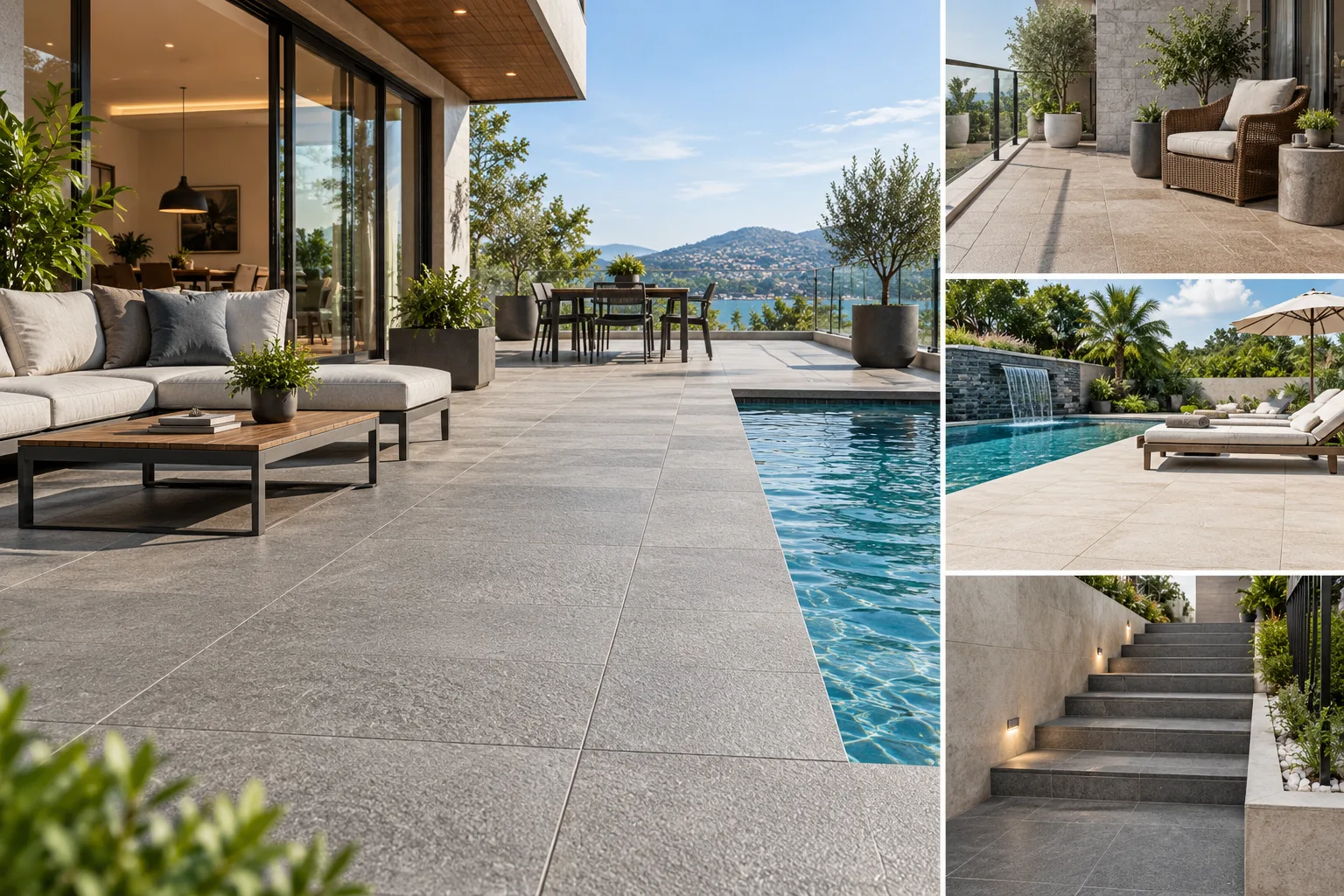
Best Anti-Slip Outdoor Tiles for Patios, Balconies & Pool Areas
Anti-slip outdoor tiles guide for patios, balconies, and pool areas...
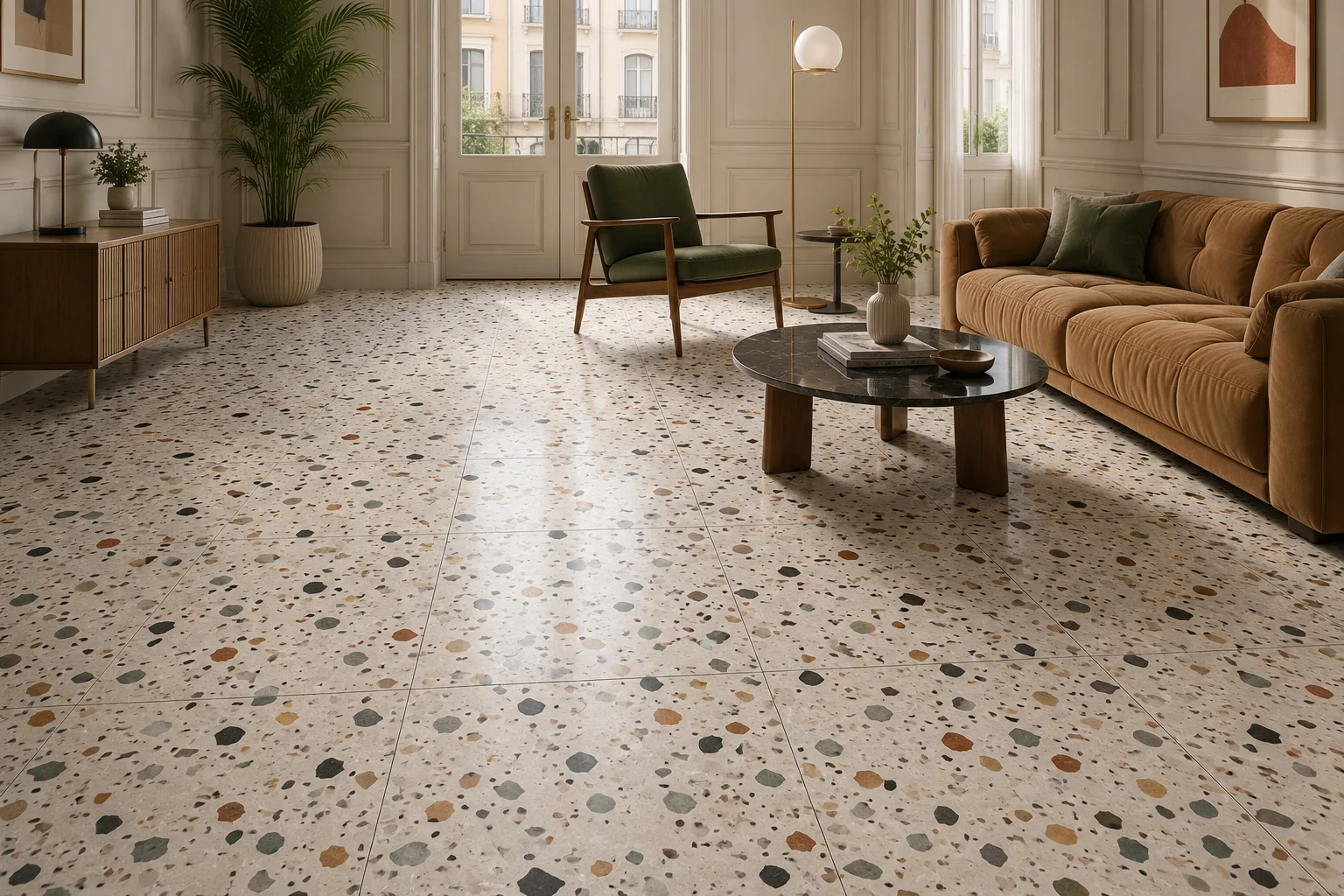
What Are Terrazzo Tiles? Everything You Need to Know
Everything you need to know about terrazzo tiles...
Recommended Products

Porcelain Floor Tiles
Satuvario

Porcelain Floor Tiles
Satuvario Smart
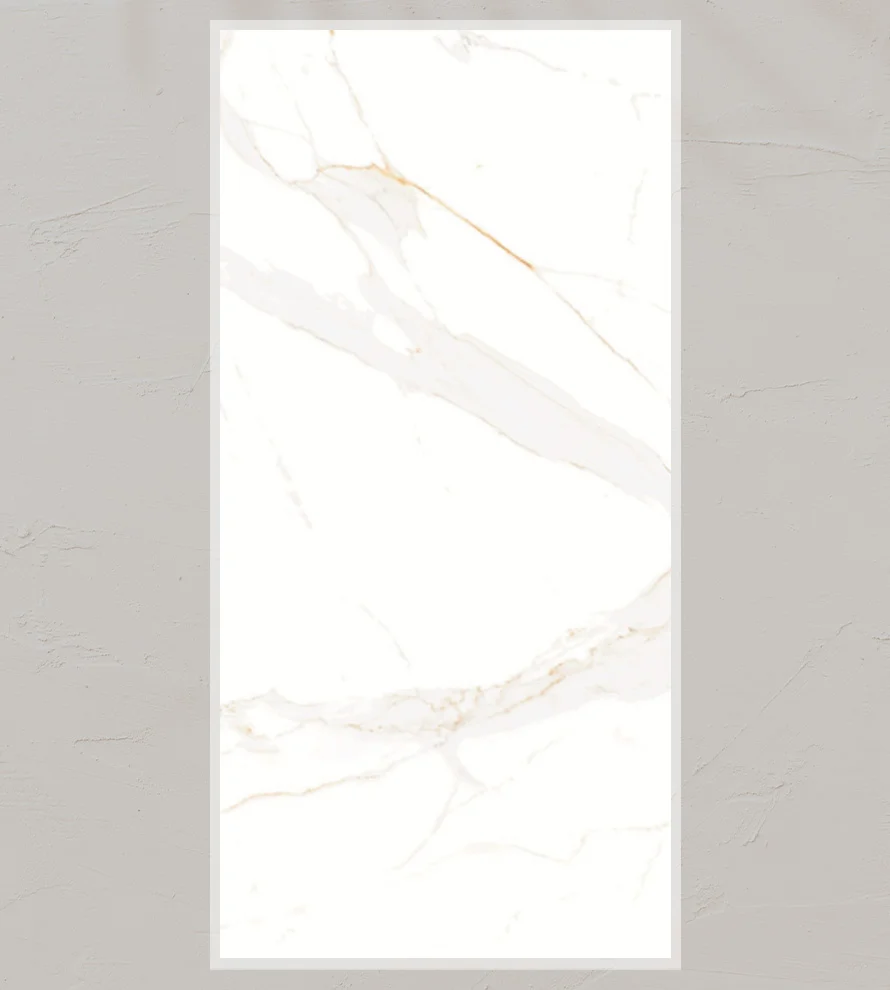
Porcelain Floor Tiles
CALACATTA GOLD
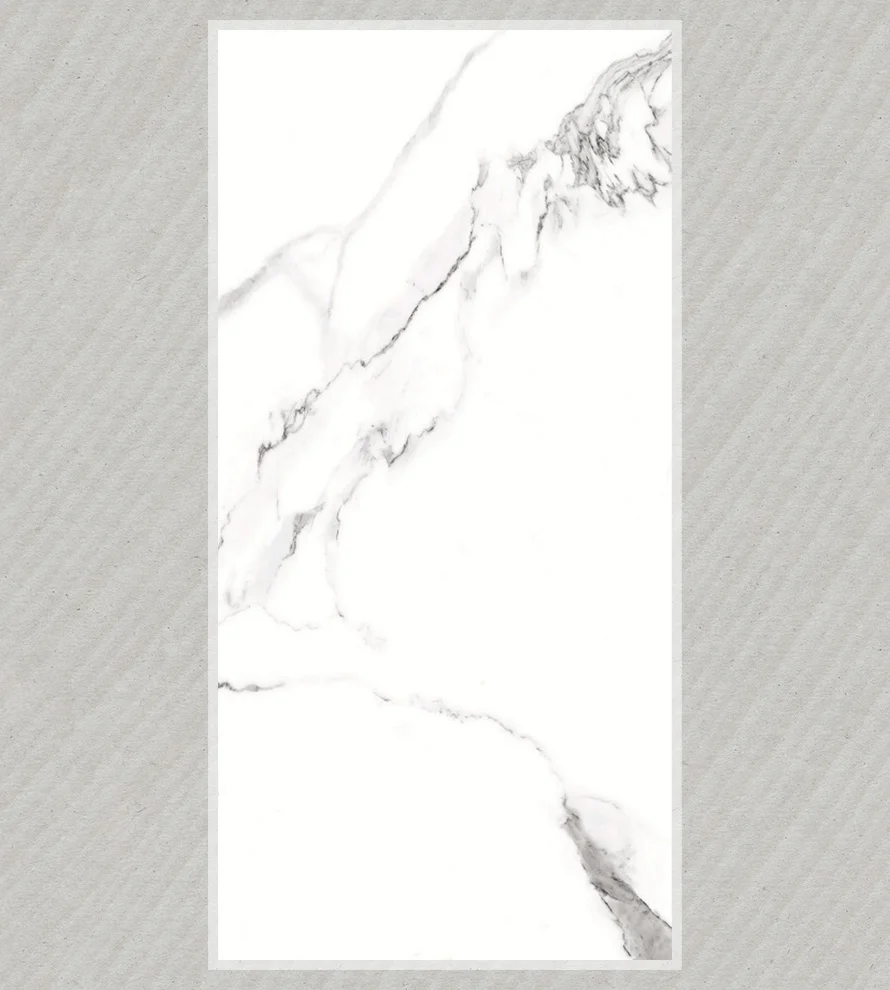
Porcelain Floor Tiles