Vitrified vs Porcelain vs Ceramic Tiles: Differences & Uses
Introduction: Three Terms, One Important Buying Decision
When buyers compare tiles, three terms appear repeatedly: ceramic, vitrified and porcelain. They are often presented as three completely separate product categories. In practice, the terminology can overlap, and the exact meaning depends on product classification, manufacturing process and the standard being used.
A useful starting point is this: ceramic tiles are the broad family; vitrification describes a process or resulting dense, low-porosity body; and porcelain is a defined category of ceramic tile with specific characteristics, including very low water absorption under the relevant standard. In many markets, porcelain tiles are also described as vitrified because of their dense body. However, not every product marketed as vitrified should automatically be assumed to meet the porcelain classification.
For importers, distributors and project buyers, the right question is not simply which label sounds better. It is whether the tile’s technical properties, finish, size, quality consistency and intended application match the project.
Quick Answer: What Is the Difference?
In short: porcelain is ceramic; porcelain is generally vitrified in everyday industry language; but “vitrified” and “porcelain” should not be treated as interchangeable without checking the applicable standard and technical data.
1. Understanding Ceramic Tiles
Ceramic tiles are manufactured from prepared clay-based and other mineral raw materials. The body is formed, dried and fired, and may be glazed or unglazed. The category covers many products—from conventional ceramic wall tiles to technically advanced floor tiles.
How ceramic tiles are made
1Raw materials such as clays, feldspar, silica and other minerals are selected and prepared according to the body formulation.2The material is processed into powder or a suitable body and shaped, commonly by pressing or extrusion depending on the product.3The formed tile is dried to remove moisture.4Glaze and decorative layers may be applied where required.5The tile is fired under controlled conditions to develop body and surface properties.6Finished products are sorted, inspected and packed.Typical characteristics and uses
Available in a wide range of colours, patterns, sizes and finishes.Can be glazed or unglazed.Used for interior walls and floors when the particular product is specified for that application.Performance varies considerably; the word ceramic alone is not a performance rating.Buyer note: Do not assume every ceramic tile is suitable for flooring, wet areas or high-traffic locations. Check the manufacturer’s declared intended use and technical properties.
2. Understanding Vitrified Tiles
“Vitrified tile” is widely used in the Indian and international tile trade to describe tiles produced with a dense, low-porosity body through controlled formulation and firing. Vitrification refers to the development of a glassy phase within the ceramic body during firing, contributing to densification. Exact construction and performance depend on the body composition, process and finished product.
Trade category General description What to verify GVT Vitrified body with a decorative glazed surface. Surface wear suitability, finish, glaze properties and intended use. PGVT Glazed vitrified tile with a polished or high-gloss surface treatment. Polish quality, care guidance, stain/chemical performance and slip suitability. Double charge Two-layer pressing approach with a thicker decorative layer integrated with the base body. Actual decorative layer, construction and relevant test evidence. Full body Colour or material characteristics extend through the body to a greater degree than surface-only decoration. Confirm actual body construction and suitability for expected wear. These are trade and product descriptions, not substitutes for a complete technical specification. Naming and manufacturing practices can differ between suppliers. Ask the manufacturer to explain the construction of the exact SKU.
Typical characteristics
Many vitrified products are designed to have a dense body and low water absorption.Available in marble-look, stone-look, concrete-look and wood-look designs.Offered in matt, polished, glossy, satin, structured and other finishes.Can be used in residential and commercial settings when the specific product is suitable.3. Understanding Porcelain Tiles
Porcelain tile is a defined category within ceramic tiles. Under ISO 13006, porcelain tiles are classified by very low water absorption, conventionally no more than 0.5% by mass, determined using the relevant ISO 10545-3 test method. Check the applicable edition and national adoption for the market where the product is sold.
Porcelain tiles are generally manufactured from carefully selected and processed mineral raw materials and fired under controlled conditions to achieve the required body characteristics. They may be glazed or unglazed, polished, matt, textured or supplied in large formats.
Common formats and designs
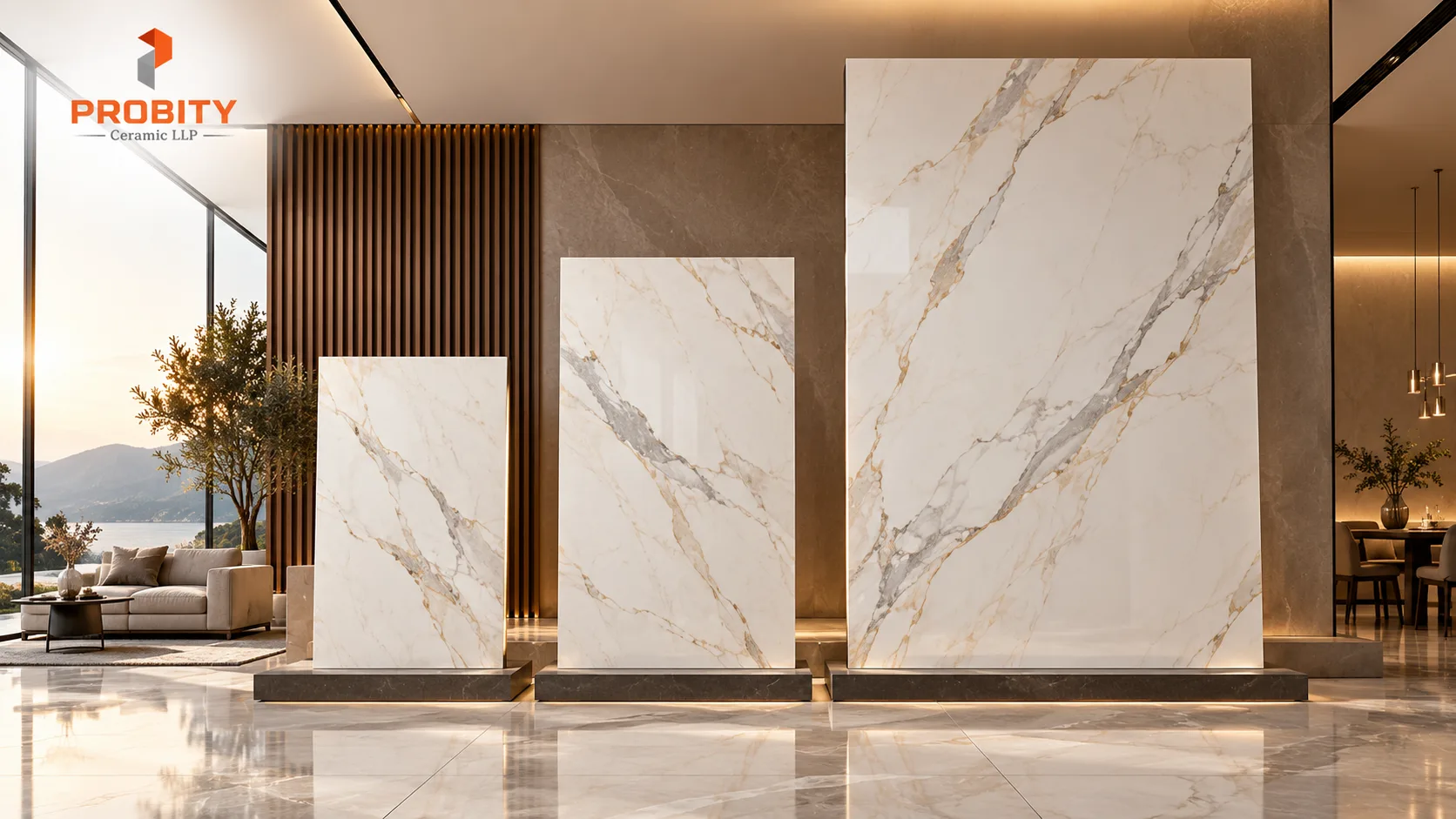
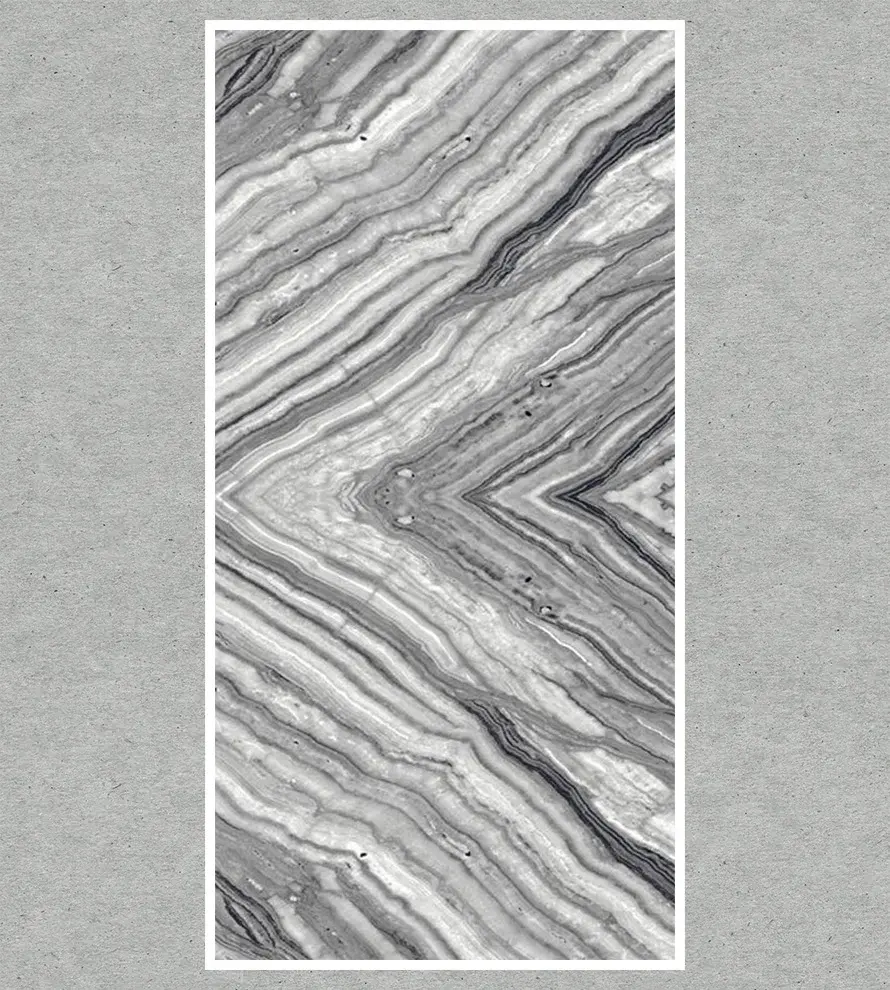
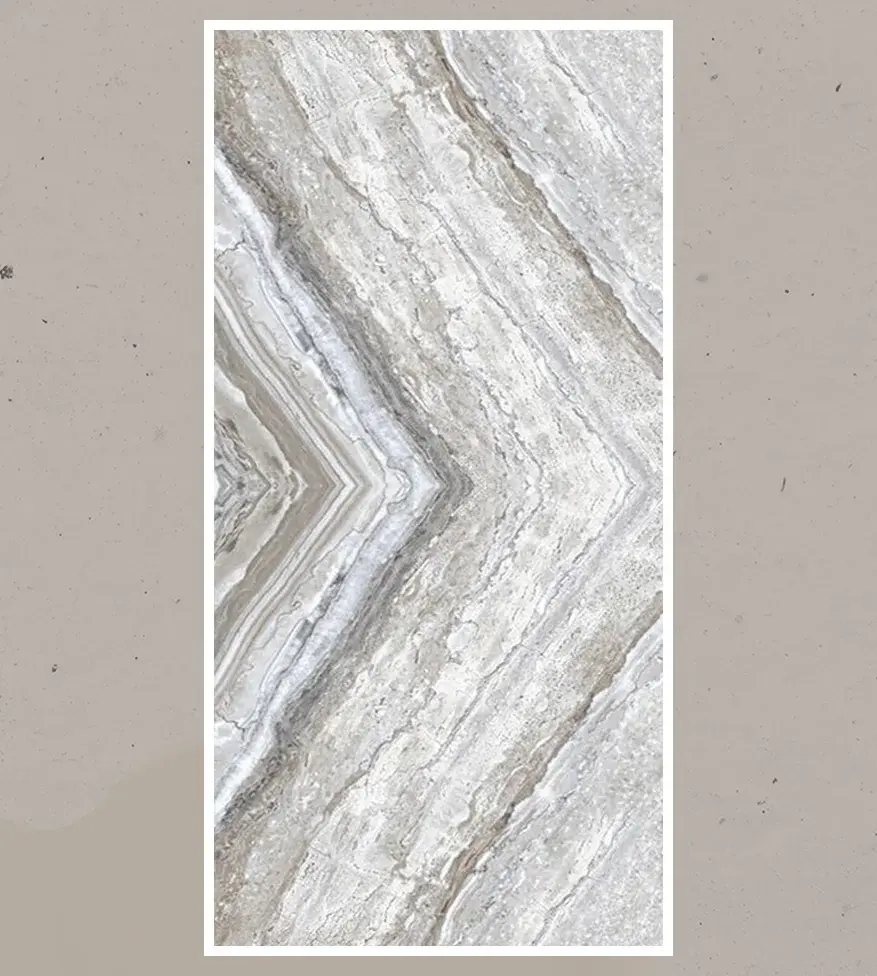
Standard and medium formats for floors and walls.Large-format porcelain tiles and slabs for expansive surfaces and selected architectural applications.Marble-look designs inspired by Calacatta, Statuario and Carrara aesthetics.Stone-look, concrete-look, onyx-inspired and wood-look designs.Different thicknesses and finishes for different installation and use requirements.A marble-look porcelain tile is a manufactured ceramic product with a created design; it is not natural marble. Veining and visual variation are product-specific and should be assessed from physical samples.
4. Vitrified vs Porcelain vs Ceramic: Detailed Comparison
Factor Ceramic Vitrified Porcelain Category Broad ceramic family. Trade/process description often used for dense products. Defined ceramic tile category. Water absorption Varies by classification and product. Often low; confirm measured value. Typically ≤0.5% under relevant porcelain classification. Body porosity Varies widely. Generally designed for a dense body. Dense body with very low water absorption. Surface Glazed or unglazed. Glazed, polished, matt, textured and more. Glazed or unglazed; many finishes. Designs Broad range. Broad range including GVT and PGVT. Broad range including stone and marble-look. Uses Walls and suitable floors. Residential/commercial floors and walls as specified. Floors, walls and selected demanding uses as specified. Selection Check declared use and product data. Check construction, tests and intended use. Verify classification and exact product performance. The comparison is deliberately qualified: ceramic is a broad family, vitrified is often a trade/process description, and porcelain is a defined product classification. They are not three perfectly separate boxes.
5. Which Tile Is Better for Flooring?
There is no universal winner. Flooring suitability depends on the tile’s intended-use rating, surface finish, mechanical properties, installation system, traffic level and maintenance conditions.
Application Prioritise Practical guidance Bedroom / living room Appearance, cleanability, dimensions, finish and comfort. Compare suitable ceramic and porcelain options by specification and design. Kitchen floor Stain/chemical resistance, cleanability, texture and slip suitability. Review exact finish and test data; do not choose by gloss alone. Bathroom floor Slip performance when wet, water management and installation. Request relevant slip testing; matt appearance alone proves nothing. Commercial lobby Traffic suitability, wear, maintenance and replacement availability. Define performance requirements with the project specifier. Outdoor area Weather exposure, slip, thermal conditions, substrate and installation. Choose a product specifically declared suitable for exterior use. For every application, confirm the manufacturer’s declared use and technical data. Products within one family can have different finishes and performance levels.
6. Which Tile Is Better for Walls?
Wall tiles face different mechanical and traffic demands from floor tiles. Weight, fixing method, substrate, tile size and installation height can become important, particularly with large-format products.
Choose a product declared suitable for wall installation.Confirm tile weight, dimensions, thickness and the adhesive/fixing system recommended for the substrate.For large formats, obtain installation guidance and use an appropriately experienced installer.In wet areas, consider the complete waterproofing and installation system; the tile itself does not replace waterproofing.Ceramic wall tiles can be appropriate for many interior wall applications. For decorative wall schemes, buyers can also compare subway tiles and mosaic tiles. Porcelain and vitrified products may also be used on walls when the product and installation system are suitable.
7. Water Absorption: Why This Specification Matters
Water absorption is a useful technical property when comparing ceramic tile classifications. It is generally expressed as a percentage by mass and measured using a defined test method. Lower absorption is associated with a denser, less porous body, but it does not by itself determine every aspect of product performance.
For porcelain classification, the commonly used threshold is 0.5% or less under ISO 13006, measured in accordance with ISO 10545-3. Other ceramic tile groups have different absorption ranges and classifications. Ask for the test result, method, sample identity and date. Avoid comparing numbers from different methods or treating a generic catalogue statement as proof for every production batch.
8. Strength, Durability and Surface Wear: Look Beyond the Label
Buyers sometimes assume porcelain is always stronger than every vitrified or ceramic tile, or that a full-body product is automatically suitable for every heavy-duty application. These shortcuts can mislead.
Breaking strength and modulus of rupture are influenced by body, thickness, dimensions and manufacturing quality.Surface abrasion or wear performance matters for relevant floor applications, especially with significant foot traffic.Glazed surface performance and body characteristics are different considerations.Impact, edge damage, installation quality and substrate movement affect real-world performance.Slip resistance must be assessed using the relevant test method and conditions, not inferred from a matt or textured appearance.For commercial, industrial or public projects, define performance requirements before product selection. Request product-specific test reports and, where appropriate, independent testing.
9. How to Choose the Right Tile: A Practical Decision Framework
1Define the application: wall, floor, wet area, commercial space, outdoor surface or another use.2Identify required technical properties, including absorption classification, wear, strength, slip performance and chemical resistance where relevant.3Shortlist appropriate product categories and finishes; do not assume a category name guarantees performance.4Confirm size, thickness, surface finish, edge treatment, shade variation and design direction.5Review product-specific test reports and applicable standards for the destination market.6Order physical samples and assess them under realistic lighting and installation conditions.7Confirm installation requirements, adhesive compatibility, substrate preparation and maintenance instructions.8Record the approved SKU, specification, shade/calibre and sample before placing the bulk order.10. What Importers and Distributors Should Check Before Buying
For international buyers, product selection is only one part of sourcing. A tile that meets the design brief may still create problems if the supplier cannot maintain consistency, pack it for the transport route or provide required documentation.
Ask whether the supplier manufactures the product or sources it from another facility.Confirm exact product classification, technical specification and test method.Review shade and calibre controls and how production batches are identified.Clarify MOQ, production lead time and repeat-order availability.Approve a physical sample and retain an identified reference sample.Agree carton, pallet or slab-crate protection, labelling and loading requirements.Confirm Incoterms, shipment responsibilities, insurance and documentation with your logistics or customs adviser.Define pre-shipment inspection and the process for shortages, breakage or non-conforming goods.11. Common Mistakes Buyers Should Avoid
Assuming vitrified and porcelain are always identical terms in every market or supplier catalogue.Choosing a tile only because the water absorption number is low.Selecting a glossy tile for a wet floor without checking slip performance.Assuming every ceramic tile is a wall tile or every porcelain tile suits every floor.Comparing prices without matching size, thickness, finish, grade and packaging.Approving a small sample without checking variation across multiple pieces.Treating a certificate or one test report as proof for every product and batch.Overlooking installation method, substrate, adhesive, grout and maintenance requirements.12. Frequently Asked Questions
Is porcelain tile a type of ceramic tile?
Yes. Porcelain is a defined category of ceramic tile, associated with water absorption of 0.5% or less by mass under the relevant classification and test method.
Are vitrified tiles and porcelain tiles the same?
The terms are often used similarly because porcelain tiles have a dense, vitrified body. However, vitrified can be used more broadly in market descriptions. Confirm the classification and test result.
Which is better: vitrified or ceramic tiles?
Neither is automatically better for every use. Compare technical properties, finish, intended application, consistency, installation needs and price.
Which tile has the lowest water absorption?
Porcelain tiles are classified by very low absorption, commonly 0.5% or less under ISO 13006. Confirm the actual result from the relevant report.
Are porcelain tiles suitable for bathrooms?
They can be, but bathroom floor selection must also consider wet slip performance, drainage, waterproofing and installation.
Are vitrified tiles suitable for commercial flooring?
Some are designed for commercial floors. Confirm wear, strength, slip and other relevant data against the project specification.
Can ceramic tiles be used on floors?
Yes, if the particular product is manufactured and declared for floor use and meets the application requirements.
What is the difference between GVT and PGVT?
GVT generally means glazed vitrified tile; PGVT generally means polished glazed vitrified tile. Confirm the actual surface process and specification.
Are full body tiles always stronger than glazed tiles?
Not necessarily. Body construction, thickness, dimensions, manufacturing quality and performance tests all matter.
What is the best tile for high-traffic areas?
Choose a product specified for the expected traffic. Review wear data, breaking strength, finish, maintenance and installation details.
How can I verify whether a tile is porcelain?
Request its classification and a relevant water-absorption report, including test method and sample identification.
What should importers request from an Indian tile manufacturer?
Request detailed specifications, product-specific test reports, physical samples, shade/calibre information, packaging details, lead time, commercial terms and destination-market documentation support.
Related Articles
Top Tile Manufacturing Regions in India: A Buyer’s Guide
Bookmatched Marble Look Porcelain: The New Statement Surface