Indian Tiles vs Italian and Spanish Tiles | Probity Ceramic
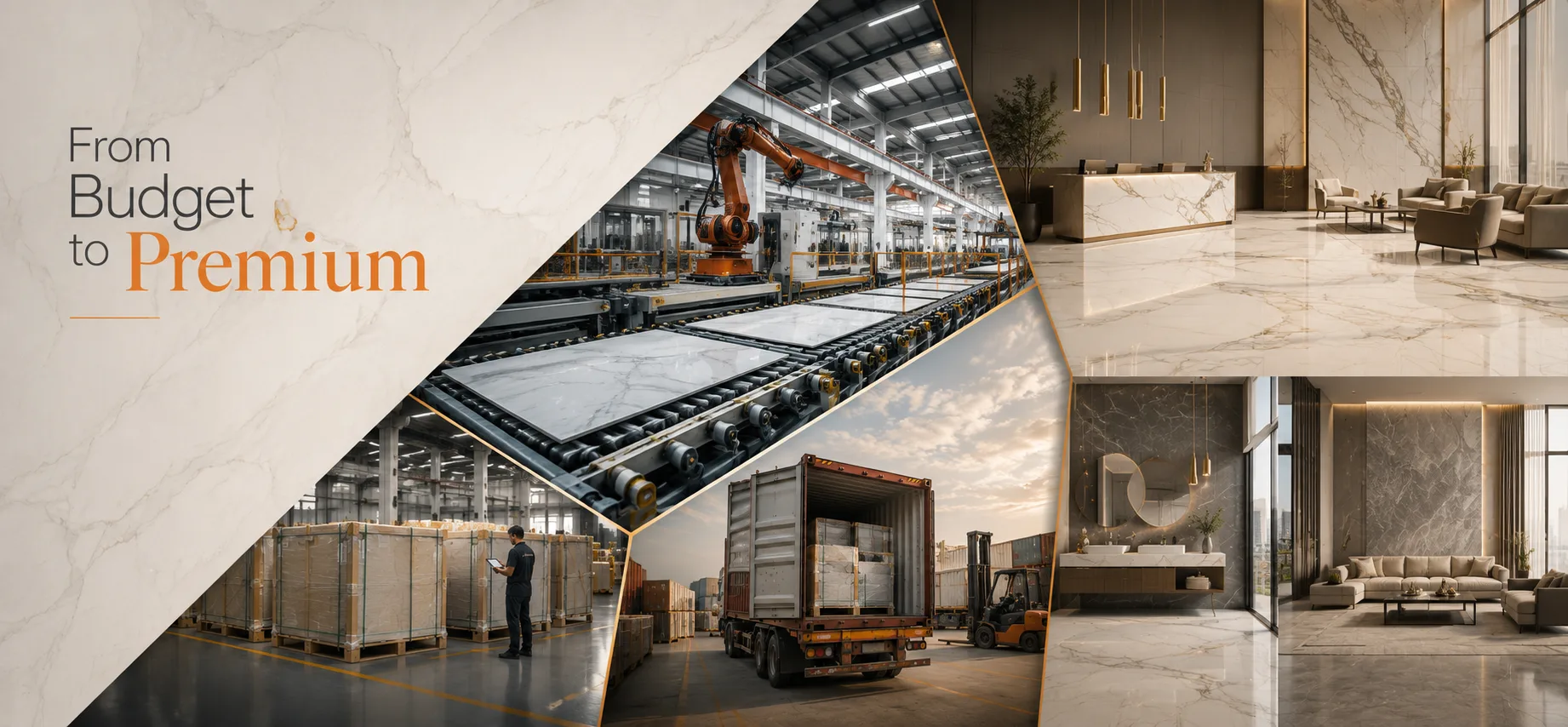
For decades, the global tile hierarchy was settled: Italy and Spain sat at the top, prized for design leadership and manufacturing precision, while India was known as a source of functional, budget-tier product. That hierarchy is being actively renegotiated. India has become one of the world's largest tile producers by volume, and a growing share of its output is no longer competing on price alone — it is competing on design, technology, and certification, in categories that were once considered exclusively European territory.
This piece is written for importers, distributors, architects, and construction companies reassessing where premium tile sourcing decisions should sit. It looks at how the traditional hierarchy formed, what specifically changed in Indian manufacturing over the past decade, where the comparison genuinely holds up and where it doesn't, and what the shift means practically for anyone building a sourcing strategy today.
This is not a claim that India has replaced Italy and Spain — it is a look at where the gap has closed, where it hasn't, and how a buyer should think about the decision now.
1. A Changing Global Tile Map
The global ceramic and porcelain tile industry has historically been mapped around a handful of manufacturing centres: Sassuolo in Italy, Castellón in Spain, and a cluster of Chinese production hubs, with India positioned further down the value chain as a high-volume, lower-cost alternative. Over the past decade, that map has been redrawn. India now ranks among the world's largest tile producers by volume, and — more significantly for the premium conversation — a meaningfully growing share of that production is aimed squarely at design-led, mid-to-premium market segments rather than entry-level product alone.
This shift matters to buyers because it changes the calculus of a sourcing decision. "Italian quality at Italian prices" versus "Indian tiles at a discount" is no longer the full picture — the more relevant question for many buyers today is where on the price-to-design-to-compliance spectrum a specific Indian manufacturer actually sits, and whether that meets the project's requirement without paying a legacy premium for the country of origin alone.
2. The Traditional Hierarchy: Italy and Spain's Legacy of Dominance
Italy and Spain's position at the top of the global tile industry was built over decades on genuine foundations: early and sustained investment in kiln and glazing technology, design schools and trade fairs (Cersaie in Bologna, Cevisama in Valencia) that positioned both countries as the industry's aesthetic reference point, and an export infrastructure and brand reputation built up long before other producing nations entered premium categories.
That legacy still carries real weight — Italian and Spanish brands remain the reference point architects and designers train on, and "Made in Italy" or "Made in Spain" continues to function as a genuine trust signal in specification documents worldwide, independent of the product's actual technical performance.
3. Where India Started: The Budget Tile Perception
India's tile industry, concentrated heavily around Morbi in Gujarat, built its initial global position on cost-competitive, high-volume ceramic tile production — largely wall tiles and basic floor tiles serving price-sensitive residential markets across the Middle East, Africa, and South Asia. Design was largely derivative, following European trends with a lag rather than setting them, and the perception among many international buyers was straightforward: Indian tile meant acceptable quality at a low price point, not a genuine alternative for premium specification.
That starting point is important context, because the shift discussed in this piece did not happen by accident or overnight — it followed a deliberate, sustained investment cycle across the industry.
4. What Changed: Technology, Scale, and Design Investment
Several converging factors have driven India's move up the value chain over the past decade or so:
Technology adoption. Indian manufacturers, particularly larger Morbi-based producers, have invested heavily in the same digital printing, glazing, and pressing technology used by leading Italian and Spanish plants — much of it sourced from the same European equipment manufacturers.
Scale-driven capital reinvestment. High production volumes have generated the capital base for continuous reinvestment in larger presses (enabling large-format slabs), advanced kilns, and automated quality control.
Design talent and studio investment. A growing number of manufacturers now run dedicated design studios, some collaborating with international design consultants, moving beyond replication toward original surface design and finish development.
Export market exposure. Sustained exposure to demanding export markets — the GCC, Europe, and increasingly the Americas — has pushed manufacturers to meet international certification and consistency standards as a condition of doing business, not an optional upgrade.
5. Comparing Manufacturing Capability: India, Italy, and Spain
On core manufacturing capability — pressing technology, digital glazing, large-format production, and kiln technology — leading Indian manufacturers now operate equipment that is broadly comparable to their Italian and Spanish counterparts, in many cases purchased from the same equipment suppliers (predominantly Italian and Spanish machinery manufacturers themselves).
The meaningful differences that remain are less about the machinery and more about production culture: the depth of in-house design R&D, the maturity of quality-consistency systems built up over generations of production, and the density of specialised, tile-focused supporting industries in regions like Sassuolo and Castellón that took decades to develop and are not replicated overnight anywhere else.
6. Design Evolution: From Imitation to Innovation
The most visible shift for buyers is design. A decade ago, Indian tile catalogues were widely seen as following European design trends a season or two behind. Today, a growing number of manufacturers are releasing original marble-look, concrete, wood-finish, and textured stone collections developed through in-house design studios, some ahead of rather than behind prevailing European trends, and increasingly shown at international trade fairs alongside established European and other Asian competitors.
This does not mean design leadership has fully transferred — but the direction of travel, from imitation toward original design development, is one of the clearest indicators of the industry's broader maturation.
7. Price-to-Performance: Why Global Buyers Are Reconsidering
The core commercial argument for Indian tile has always been price. What has changed is that the price advantage is now frequently being delivered alongside technical performance and design quality that would previously have commanded a much higher price bracket from a European source. For distributors and construction companies working to a project budget, this reframes the sourcing decision: rather than "premium European versus budget Indian," many buyers are now evaluating "comparable design and performance, at a materially different price point," and making sourcing decisions accordingly for a meaningful share of their product range.
This is particularly visible in large-format porcelain slabs and premium marble-look collections, categories that were almost exclusively European-dominated until relatively recently and where competitively priced Indian alternatives are now a standard line item in many distributors' catalogues.
8. Certifications and Quality: Closing the Compliance Gap
A premium reputation is inseparable from certification and consistency, and this is where the industry-wide shift has been most deliberate. A growing number of established Indian manufacturers now test to ISO 13006, EN 14411 (for CE marking), and ASTM standards concurrently, supported by documented Factory Production Control systems required to serve EU and North American markets credibly.
The gap that remains is consistency across the industry rather than at its leading edge — the best Indian manufacturers now match international certification standards reliably, but the sector overall still has a wider quality spread than the more consolidated Italian and Spanish industries, making manufacturer selection and verification more important for buyers sourcing from India than it typically is when sourcing from Sassuolo or Castellón.
9. Export Trends and Market Share
India has steadily grown into one of the world's largest tile exporters by volume over the past decade, expanding well beyond its traditional Middle Eastern and South Asian markets into Europe, Africa, and the Americas. Industry trade data consistently shows this volume growth trending alongside a gradual shift in product mix toward higher-value categories — large-format slabs, premium marble-look collections, and OEM/private-label programme supply — rather than volume growth in budget categories alone.
Buyers evaluating this trend should treat headline export volume as one data point among several; the more meaningful indicator for a premium sourcing decision is the growth specifically within higher-value product categories and certified export lines, which is where the real competitive pressure on established European suppliers is emerging.
10. Where Italy and Spain Still Lead
A balanced comparison has to acknowledge where the traditional leaders retain a genuine, defensible edge:
Design origination and trend-setting. Italy and Spain remain the industry's primary design reference point, with deeper design heritage and the trade fair infrastructure (Cersaie, Cevisama) that still shapes global trends first.
Brand equity in luxury and architectural specification. For flagship architectural and luxury residential projects, Italian and Spanish brand names continue to carry a specification weight that is not yet matched by Indian brands, regardless of underlying product quality.
Consistency at the top end. The most established European manufacturers have generations of accumulated production discipline that translates into extremely tight batch-to-batch consistency, an area where even leading Indian manufacturers are still closing the gap.
Niche and artisanal categories. Handcrafted, small-batch, and highly specialised decorative tile categories remain a European (and increasingly artisanal Mexican and Moroccan) stronghold that mass-production models are not built to compete in directly.
11. Why Morbi Is at the Centre of India's Rise
Morbi's role in this shift is foundational rather than incidental. The town's concentration of manufacturers created the scale and competitive pressure that funded rapid technology reinvestment, while its density of supporting industries — raw material suppliers, kiln and machinery manufacturers, glaze producers, and freight forwarders — replicates, on a compressed timeline, the industrial ecosystem effect that took Sassuolo and Castellón decades to build.
For buyers, this concentration is also a practical advantage: it allows direct comparison across dozens of manufacturers' technology, design capability, and certification standards within a single sourcing trip, in a way that is simply not possible when evaluating suppliers spread across a wider geography.
12. Working with Probity Ceramic LLP: What Sets Us Apart
Probity Ceramic LLP is positioned at the premium end of this shift — a Morbi-based manufacturer built specifically to compete on design and certification, not price alone, for importers, distributors, and construction companies who want the commercial advantage of Indian manufacturing without compromising on specification.
Where we compete directly with European-standard product:
• Large-format porcelain slabs up to 1200×2400mm and 800×3000mm, matching the formats driving premium demand globally
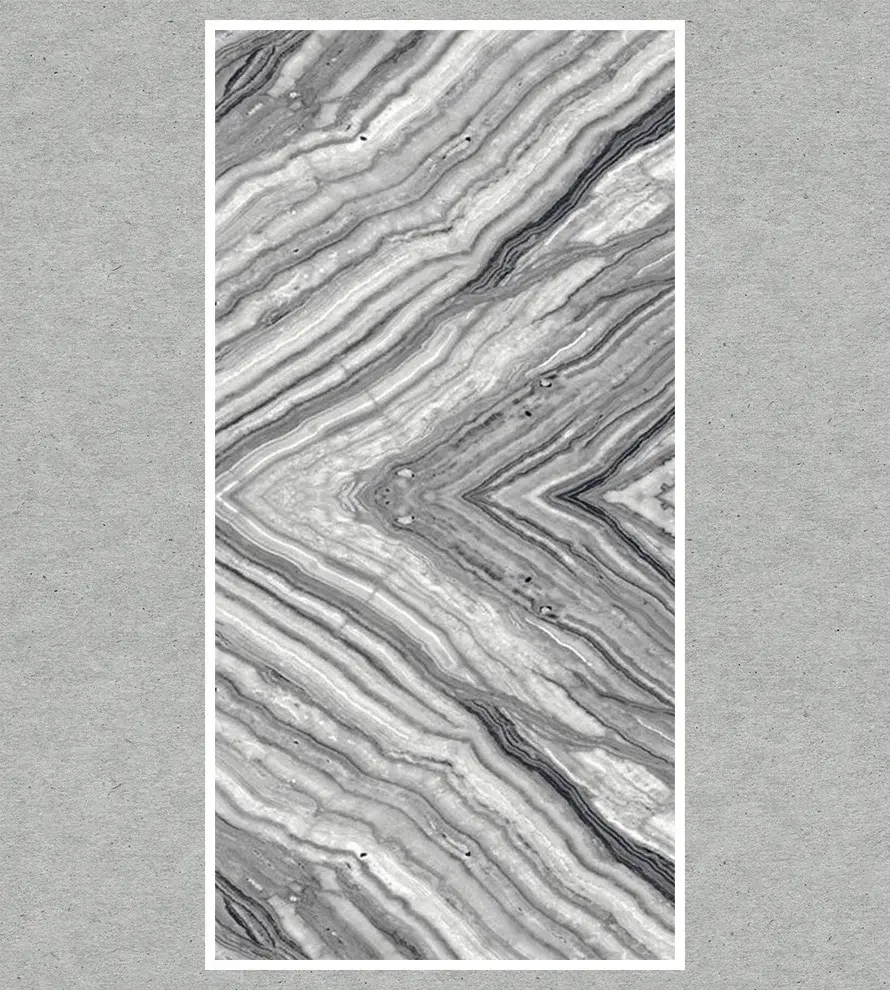
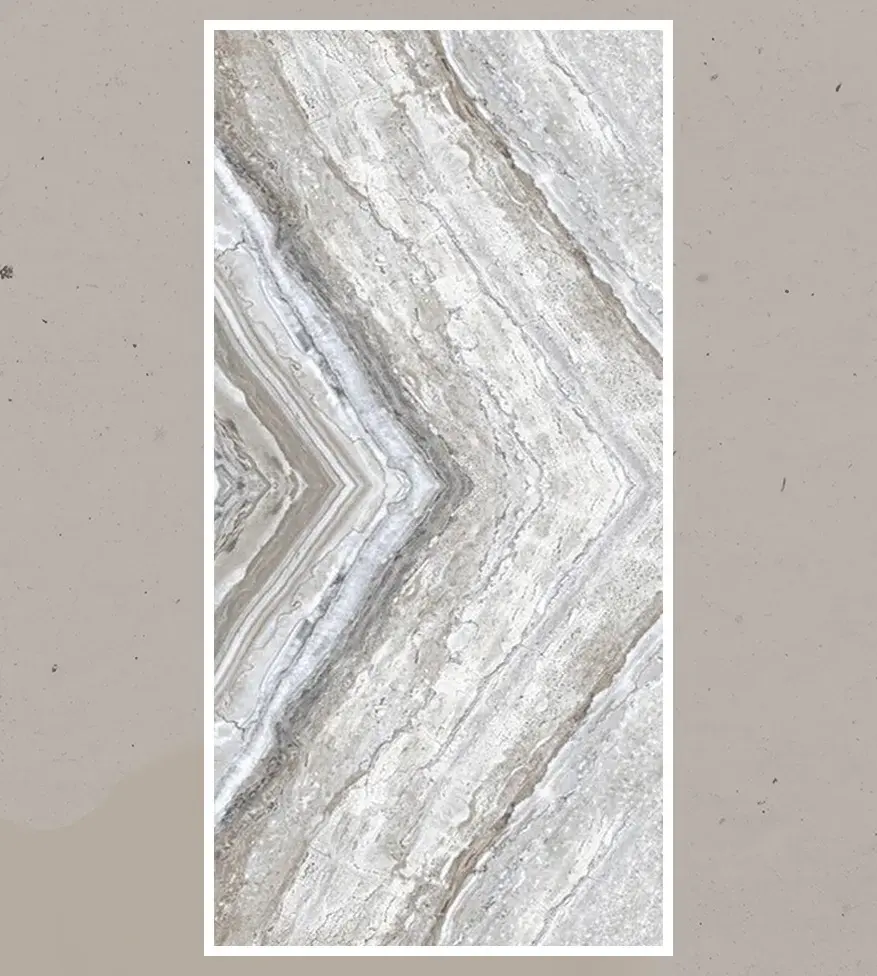
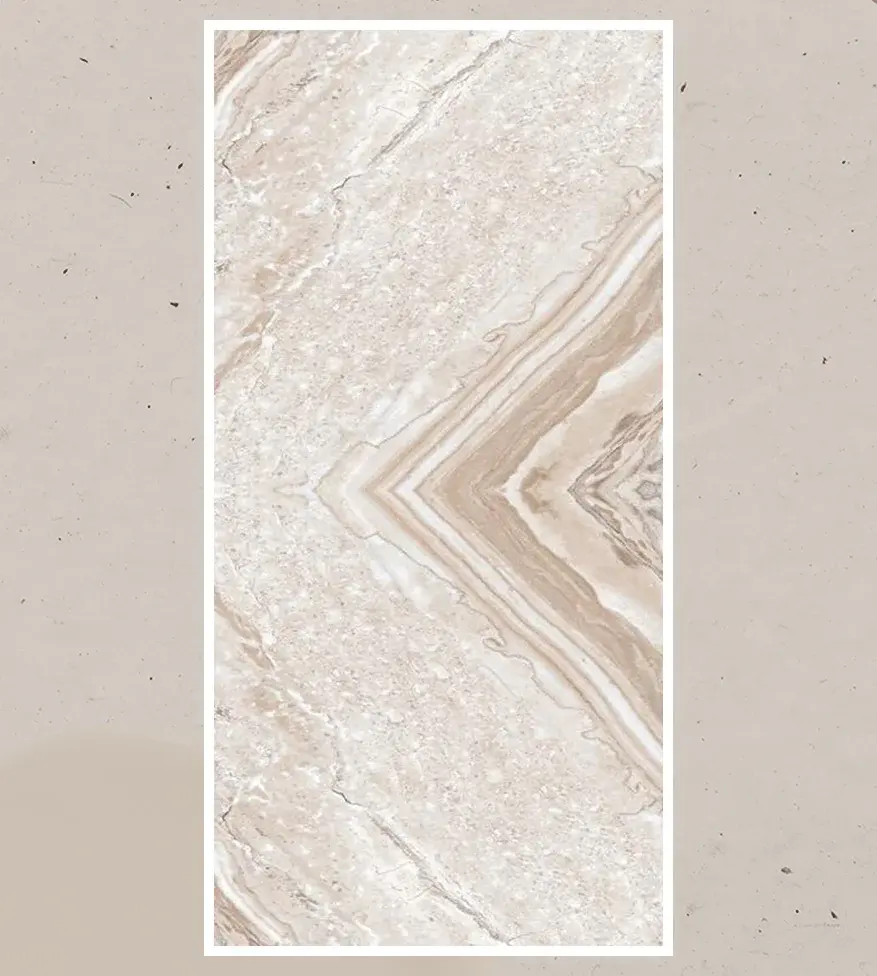
• In-house design development across Calacatta, Statuario, Carrara, Onyx, Wood Finish, and Concrete Finish collections
• Concurrent testing to ISO 13006, EN 14411, and ASTM standards, with product-specific Declarations of Performance available on request
• Documented Factory Production Control supporting consistent batch-to-batch quality
• OEM and private label manufacturing for distributors building premium branded ranges
What premium-focused buyers consistently tell us:
They are comparing our large-format and marble-look collections directly against European alternatives on design and finish, not evaluating us as a discount substitute — and the deciding factor is increasingly landed cost and lead time rather than a perceived quality gap.
We work with:
Distributors repositioning their catalogue toward premium categories, construction and hospitality projects specifying large-format porcelain at scale, and retail chains developing branded collections that need to compete visually with established European ranges.
13. Frequently Asked Questions
Q1: Are Indian tiles now comparable in quality to Italian and Spanish tiles? At the leading edge of the industry, yes — top Indian manufacturers now use comparable pressing, glazing, and kiln technology and test to the same international standards. Quality varies more widely across the Indian industry overall, so manufacturer selection matters more than it typically does when sourcing from Italy or Spain.
Q2: Why were Indian tiles historically seen as lower quality? Earlier production was concentrated in high-volume, price-sensitive categories with largely derivative design, and certification to international standards was not yet widespread. Sustained technology and design investment over the past decade has shifted a significant share of the industry toward premium, certified production.
Q3: Do Indian manufacturers use the same equipment as Italian and Spanish factories? Many leading Indian manufacturers use pressing, digital printing, and glazing equipment sourced from the same predominantly Italian and Spanish machinery manufacturers that supply European tile producers.
Q4: Is it cheaper to import tiles from India than from Italy or Spain? Generally yes, on a landed-cost basis, even accounting for freight — India's cost advantage typically persists even in premium and large-format categories, though buyers should compare actual quotations and landed cost rather than assuming a fixed differential.
Q5: Can Indian tiles be CE certified for the European market? Yes. A growing number of established Indian manufacturers issue product-specific Declarations of Performance under EN 14411 and are actively exporting CE-compliant product to the EU.
Q6: What categories still favour Italian and Spanish manufacturers? Handcrafted and artisanal decorative tile, flagship luxury architectural specification where brand heritage carries specification weight, and categories requiring extremely tight batch-to-batch consistency at the very top end of the market.
Q7: How do I evaluate whether an Indian manufacturer meets premium standards? Review their certification documentation (ISO, EN 14411/CE, ASTM as relevant), request production samples rather than catalogue images, ask about in-house design capability, and where possible arrange a factory audit before committing to a large order.
14. Conclusion: What This Means for Importers and Distributors
The gap between Indian and European tile manufacturing has not disappeared, but it has narrowed significantly at the leading edge of the industry — closely enough that treating "Indian" and "budget" as synonymous is now an outdated assumption for a meaningful share of the market, particularly in large-format porcelain and marble-look categories.
For importers, distributors, and construction companies, the practical takeaway is to evaluate individual manufacturers on their actual design capability, certification, and production consistency, rather than defaulting to country-of-origin assumptions in either direction. The buyers capturing the most value from this shift are the ones building direct, verified relationships with the Indian manufacturers operating at the top of that range — where the design and compliance gap with Italy and Spain has genuinely closed, and the price gap has not.
Related Articles

The Complete Guide to Import Tiles from India
Best Anti-Slip Outdoor Tiles for Patios, Balconies & Pool Areas