What Are Vitrified Tiles? | Probity Ceramic
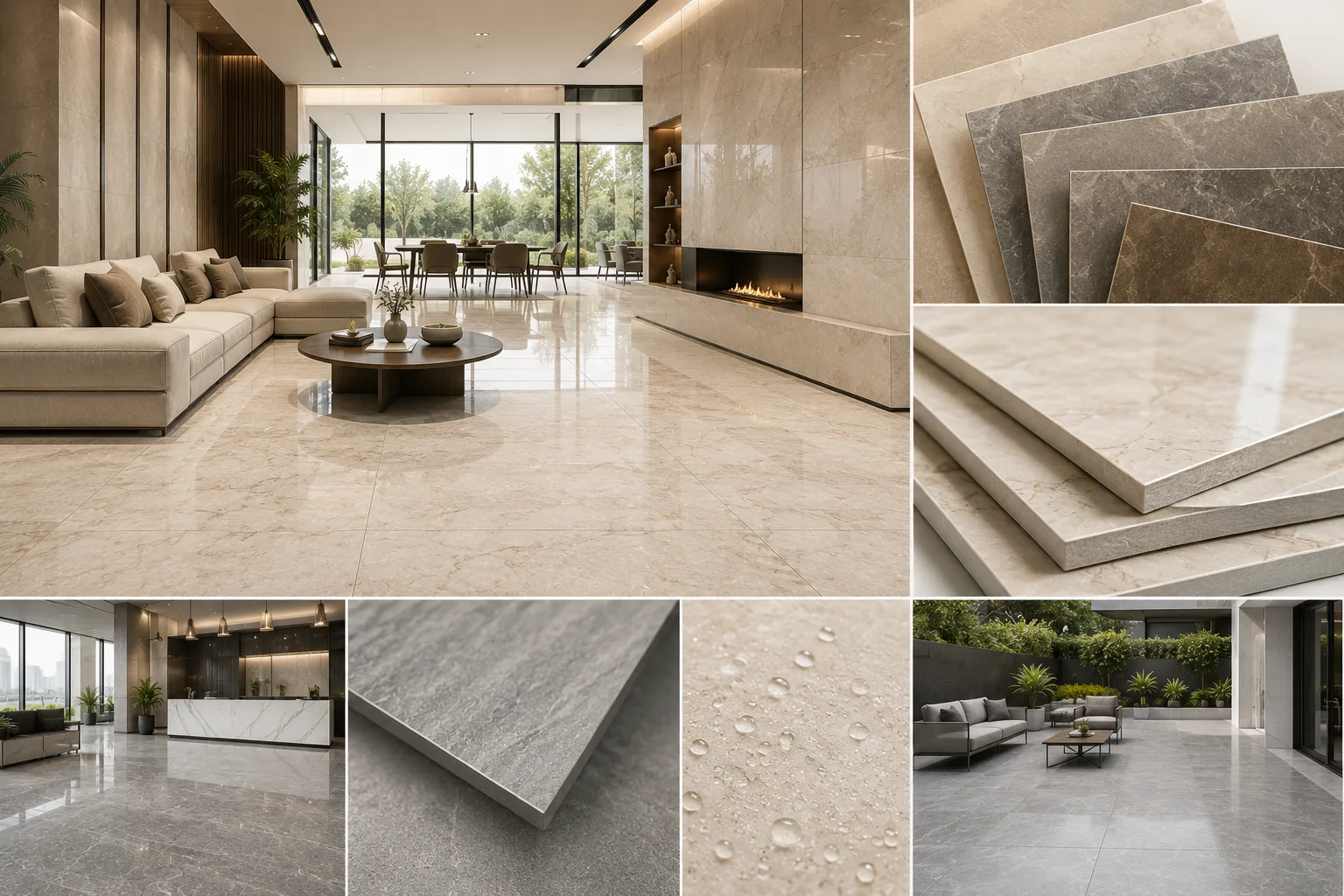
Walk into any tile showroom today and one word comes up more than any other: vitrified. It's on the boxes, in the price lists, and in almost every recommendation a dealer or architect makes for flooring. Yet most buyers are never actually told what the word means - or why it matters for the tile they're about to install for the next fifteen to twenty years.
Vitrified tiles have become the default choice for Indian and international flooring projects because they solve problems that older ceramic tiles could not: water absorption, staining, low strength, and inconsistent finish. But “vitrified” is not a single product - it's a manufacturing process that produces several distinct tile categories, each suited to different applications, budgets, and performance requirements.
This guide breaks down exactly what vitrified tiles are, how they're made, the major types available, how they compare to ceramic and porcelain tiles, and what to check before you buy - whether you're tiling a single room or specifying flooring for a large commercial project.
1. What Are Vitrified Tiles? (Definition)
Vitrified tiles are ceramic tiles made by fusing clay with materials such as silica, feldspar, and quartz at very high temperatures. The process, called vitrification, causes these materials to melt and fuse together into a glass-like, non-porous mass - which is where the tile gets its name (from the Latin vitreum, meaning glass).
The result is a tile with very low water absorption, high density, and significantly greater strength than standard ceramic tiles. Because the vitrification process fuses the raw materials rather than simply baking them, vitrified tiles are far less porous and far more resistant to wear, staining, and moisture - making them suitable for both residential and heavy-traffic commercial flooring.
In short: every vitrified tile is a type of ceramic tile, but not every ceramic tile is vitrified. The distinction comes down to density and water absorption, both of which are a direct result of the manufacturing process.
2. How Vitrified Tiles Are Made: The Vitrification Process
Understanding the manufacturing process explains why vitrified tiles perform the way they do.
• Raw material mixing. Clay, silica, quartz, and feldspar are blended in carefully controlled proportions and ground into a fine powder.
• Pressing. The powder is pressed into tile form under extremely high hydraulic pressure, which removes air pockets and compacts the material into a dense body.
• Firing. The pressed tiles are fired in a kiln at temperatures typically above 1,200°C. At this temperature, the silica and feldspar melt and fuse with the clay, forming the glass-like vitrified structure.
• Cooling and finishing. Tiles are cooled under controlled conditions, then cut, polished, or glazed depending on the intended finish and product category.
• Quality control. Finished tiles are checked for calibration (size consistency), shade matching, and surface defects before packaging.
The higher the firing temperature and pressing pressure, the denser and less porous the finished tile - which is why premium vitrified tiles command a higher price than entry-level ceramic tiles.
3. Types of Vitrified Tiles
Not all vitrified tiles are the same. The category splits into several distinct product types, each with a different structure and best-use case.
Full Body Vitrified Tiles - The colour and pattern run consistently through the entire thickness of the tile, not just the surface. This means that even if the surface is scratched or chipped, the colour underneath matches. Full body tiles are the most durable option and are commonly used in high-traffic commercial and industrial spaces.
Double Charge Vitrified Tiles - Two layers of colour pigment are pressed onto the tile surface (roughly 3–4mm deep), giving a thicker, more durable design layer than single-layer printing. Double charge tiles offer strong pattern depth and are a popular mid-to-premium choice for both walls and floors.
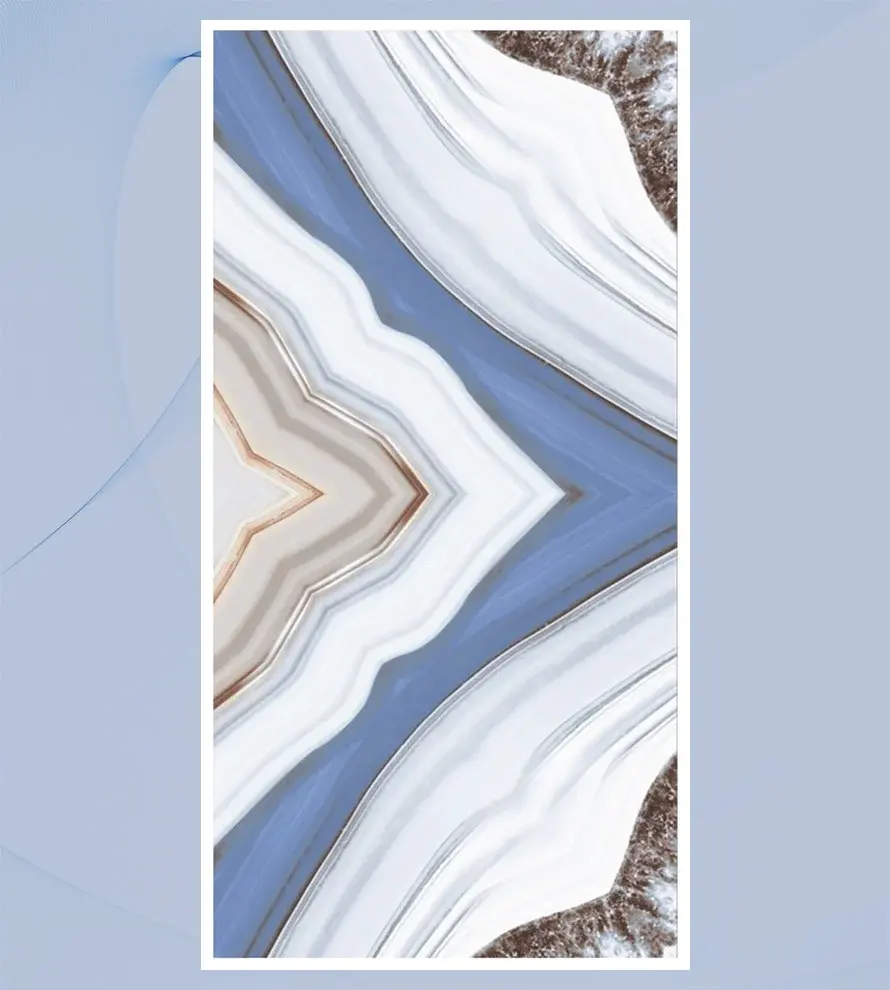
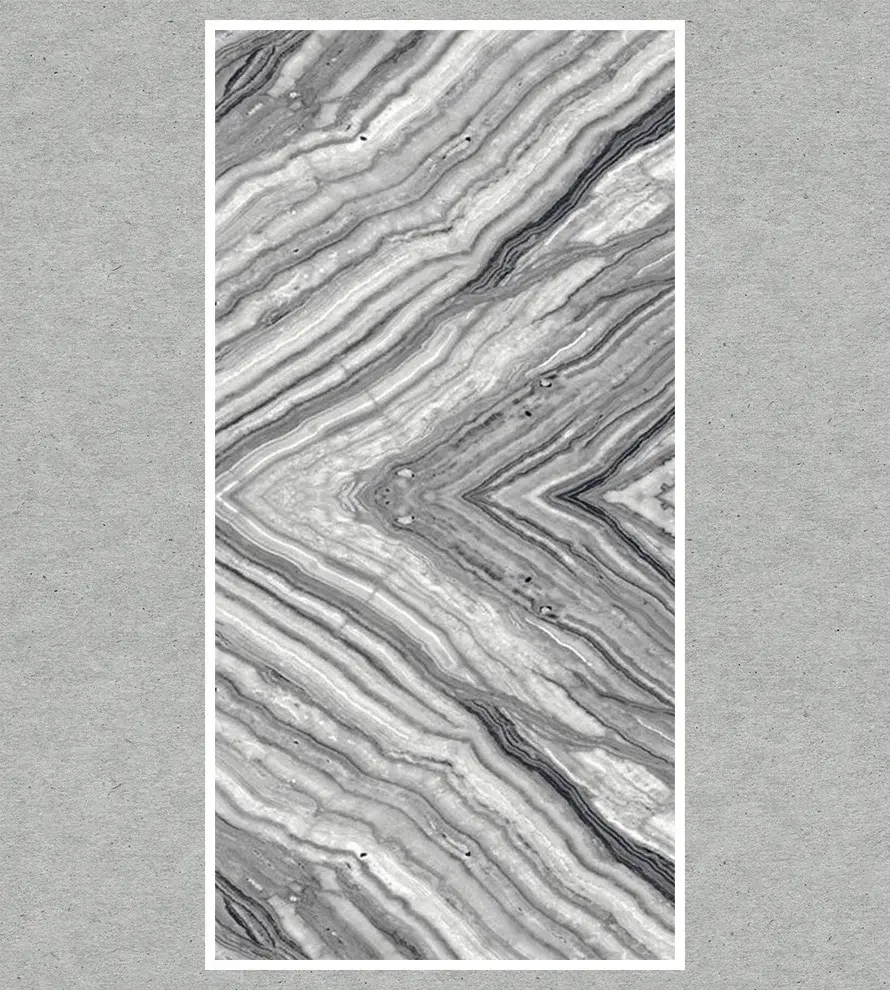
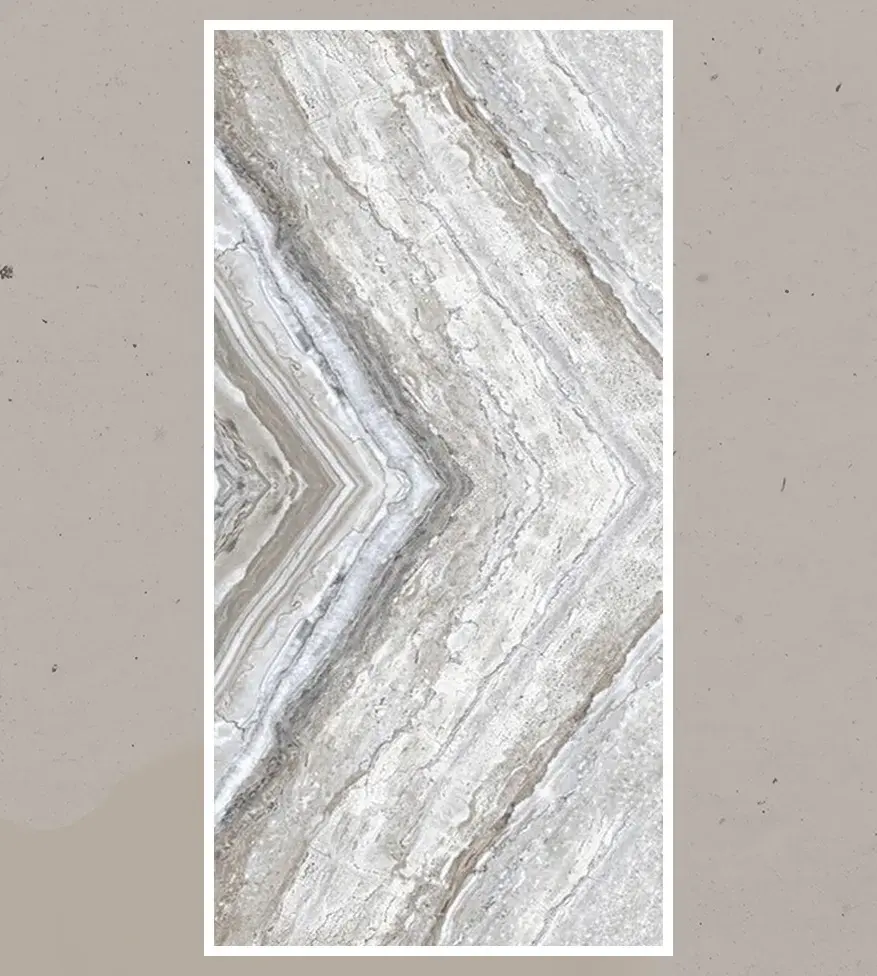
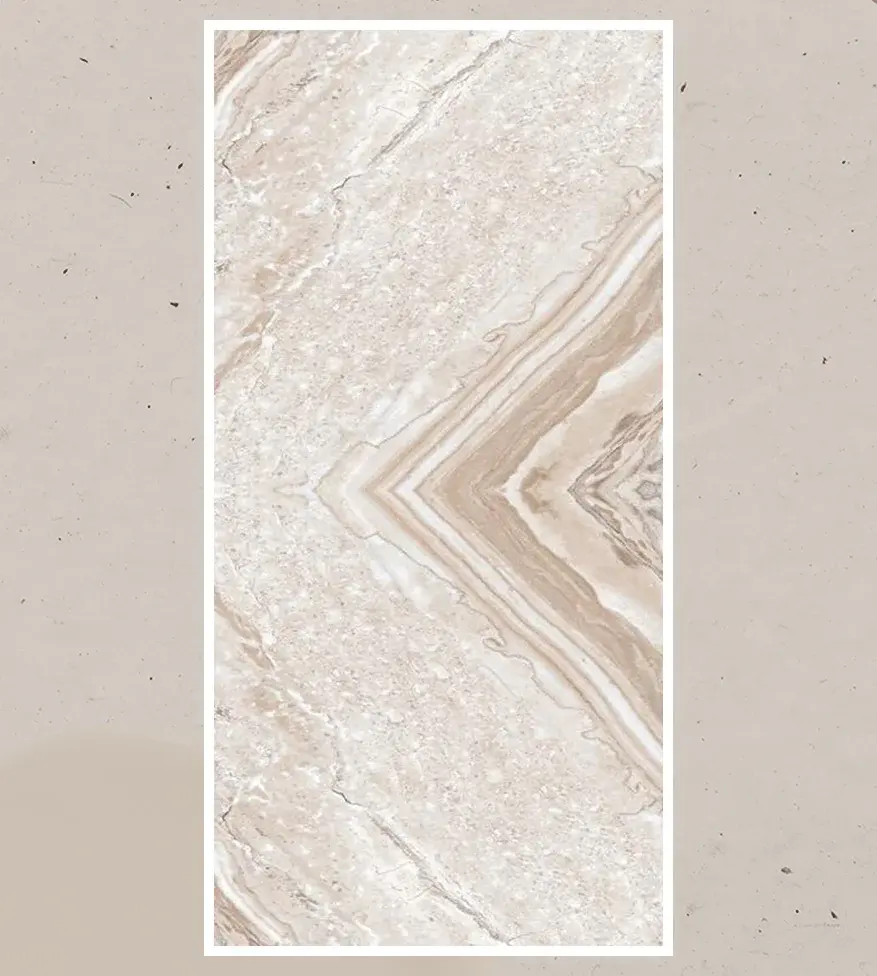
Glazed Vitrified Tiles (GVT) - A digitally printed glaze layer is applied to the vitrified tile base, allowing highly realistic reproductions of marble, wood, and stone. GVT offers design flexibility at a lower cost than natural stone, though the glaze layer is thinner than double charge.
Polished Glazed Vitrified Tiles (PGVT) - A GVT tile that has been mechanically polished after glazing to achieve a high-gloss, mirror-like finish. PGVT is popular for premium residential and hospitality interiors where a glossy, marble-like appearance is desired.
Soluble Salt Vitrified Tiles - Salts are applied to the tile surface before firing and absorbed into the body, producing natural-looking, low-gloss patterns. This is a more economical way of achieving a stone-like appearance and is common in mid-range residential flooring.
4. Vitrified Tiles vs. Ceramic Tiles vs. Porcelain Tiles
These three terms are often used loosely and interchangeably - which causes confusion for buyers. Here's the practical distinction:
• Ceramic tiles are made from clay fired at lower temperatures. They are more porous, generally more affordable, and better suited to walls and low-traffic areas rather than heavy-duty flooring.
• Vitrified tiles are fired at higher temperatures with added silica and feldspar, producing a denser, less porous, more durable tile suitable for both walls and floors, including high-traffic areas.
• Porcelain tiles are technically a subset of vitrified tiles, made using finer, purer clay and fired at even higher temperatures, resulting in the lowest water absorption (below 0.5%) and the highest strength of the three. In much of the international market, “porcelain” and “full body vitrified” are used to describe the same premium product category.
For most buyers, the practical takeaway is this: if durability, low maintenance, and moisture resistance are priorities - for kitchens, bathrooms, living areas, or commercial floors - vitrified (including porcelain) tiles are almost always the better choice over standard ceramic.
5. Key Properties and Benefits of Vitrified Tiles
• Low water absorption - typically under 0.5% for premium products, making them highly resistant to moisture damage and staining.
• High strength and durability - able to withstand heavy foot traffic, impact, and abrasion without cracking or chipping.
• Stain and scratch resistance - the dense, glass-like surface resists everyday spills and scuffs far better than porous tiles.
• Low maintenance - the non-porous surface doesn't harbour bacteria or absorb odours, and cleans easily with routine mopping.
• Design versatility - digital printing technology allows vitrified tiles to replicate marble, wood, stone, and concrete finishes at a fraction of the cost and maintenance burden of natural materials.
• Consistent calibration - precision pressing and firing produce tiles of uniform size, which means tighter grout lines and a cleaner finished look.
• Frost and weather resistance - low porosity makes many vitrified tiles suitable for outdoor and parking applications, subject to anti-skid rating.
6. Water Absorption, Strength, and Quality Standards
Water absorption is the single most important technical measure for vitrified tiles, because it determines durability, stain resistance, and frost resistance. Under international classification (ISO 13006 / EN 14411), tiles are grouped by water absorption rate:
• Group BIa (water absorption ≤ 0.5%) - fully vitrified / porcelain-grade tiles, suitable for the most demanding applications.
• Group BIb (0.5% – 3%) - vitrified tiles with slightly higher absorption, still suitable for most residential and commercial floors.
• Group BII and BIII (above 3%) - typically standard ceramic tiles, best suited to walls and light-duty areas.
Alongside water absorption, breaking strength (measured under ASTM C648 or equivalent) and surface abrasion resistance (PEI rating, 1–5) are the other two figures worth checking before buying, particularly for commercial or high-traffic flooring.
7. Common Sizes and Formats
Vitrified tiles are available in a wide range of sizes to suit different applications:
• 300×300mm and 300×600mm - common for smaller rooms, bathrooms, and budget projects.
• 600×600mm - the most widely used residential and commercial floor tile size.
• 600×1200mm and 800×1600mm - large-format tiles for a more seamless, premium look with fewer grout lines.
• 1200×2400mm and larger slabs - used for feature walls, countertops, and high-end architectural applications.
Larger formats generally cost more and require experienced installers, but reduce visible grout lines and give a more expansive, high-end appearance.
8. Where to Use Vitrified Tiles: Best Applications
• Residential flooring - living rooms, bedrooms, kitchens, and bathrooms, thanks to durability and easy maintenance.
• Commercial spaces - offices, retail stores, and hospitality venues, where high foot traffic demands a hard-wearing surface.
• Outdoor and parking areas - select anti-skid, frost-resistant vitrified tiles rated for outdoor exposure.
• Industrial and institutional flooring - full body vitrified tiles are frequently specified for hospitals, schools, and warehouses due to their strength and hygiene properties.
• Walls and feature surfaces - GVT and PGVT tiles are popular for feature walls given their design flexibility and glossy finish options.
9. How to Choose the Right Vitrified Tile
• Match the tile type to the application. Full body for heavy traffic, GVT/PGVT for design-led interiors, double charge for a balance of durability and pattern depth.
• Check the water absorption rating. Look for BIa / below 0.5% for wet areas and high-traffic floors.
• Confirm the PEI abrasion rating. Higher PEI ratings are required for commercial and high-footfall areas.
• Consider slip resistance. For bathrooms, kitchens, and outdoor areas, choose tiles with an adequate anti-skid (R-rating) certification.
• Buy from the same batch. Vitrified tiles are produced in shade batches - buying the full quantity for a project from one batch avoids visible colour mismatches.
• Factor in calibration tolerance. Tighter calibration (around ±0.5mm) means thinner, more consistent grout lines and a cleaner finish.
10. Installation and Maintenance Tips
• Use a cement-based tile adhesive suited to the tile size and format - large-format tiles require a stronger, flexible adhesive bed.
• Maintain consistent grout line spacing using tile spacers to avoid uneven alignment.
• Allow adequate curing time before walking on newly laid tiles or applying heavy loads.
• Clean with a pH-neutral cleaner; avoid strong acidic or abrasive cleaners on polished (PGVT) surfaces, which can dull the gloss over time.
• Reseal grout lines periodically in wet areas to maintain hygiene and prevent discolouration.
11. Certifications and Quality Standards That Matter
When buying vitrified tiles - particularly for larger residential or commercial projects - look for the following:
• ISO 9001:2015 - confirms a documented quality management system is in place at the manufacturing facility.
• ISO 13006 / EN 14411 - the international reference standard for ceramic tile classification, including water absorption groups.
• ASTM C373 / C648 - US standards for water absorption and breaking strength.
• BIS certification - relevant for tiles sold within the Indian domestic market.
• PEI rating - indicates surface abrasion resistance, important for high-traffic and commercial flooring.
Reputable manufacturers will readily share certificate numbers and, where relevant, third-party lab test reports rather than only internal quality claims.
12. Working with Probity Ceramic LLP: What Sets Us Apart
Probity Ceramic LLP is a premium porcelain and vitrified tile manufacturer based in Morbi, Gujarat, producing across the full range of vitrified tile categories for residential, commercial, and export markets.
Our manufacturing capability covers:
• Full Body Vitrified, Double Charge, GVT, and PGVT tiles from 300×300mm to 1200×2400mm and 800×3000mm slabs
• Marble Look, Wood Finish, Stone Finish, and Concrete Finish collections
• Outdoor and parking-rated anti-skid vitrified tiles
• OEM and private label manufacturing for distributors and retail chains
• Bulk supply for residential, commercial, hospitality, and infrastructure projects
We offer factory audits, production samples, and technical data sheets on request, backed by an export and domestic sales team that can help you match the right vitrified tile category to your specific project requirements.
Conclusion
Vitrified tiles have become the standard choice for modern flooring because the manufacturing process - high-pressure pressing combined with high-temperature firing - produces a tile that is denser, stronger, and far less porous than traditional ceramic. But “vitrified” covers several distinct product types, from full body to GVT and PGVT, each suited to different budgets, aesthetics, and performance needs.
The right choice comes down to matching the tile type, water absorption rating, and surface finish to where and how it will be used - and buying from a manufacturer who can back their product with proper certification and batch consistency. Applied correctly, vitrified tiles offer one of the best combinations of durability, design flexibility, and long-term value available in flooring today.
Related Articles
Elevation Tiles for Modern House Exteriors
Bookmatched Marble Look Porcelain: The New Statement Surface