Style & Design
Elevation Tiles for Modern House Exteriors

Related Articles
Bookmatched Marble Look Porcelain: The New Statement Surface
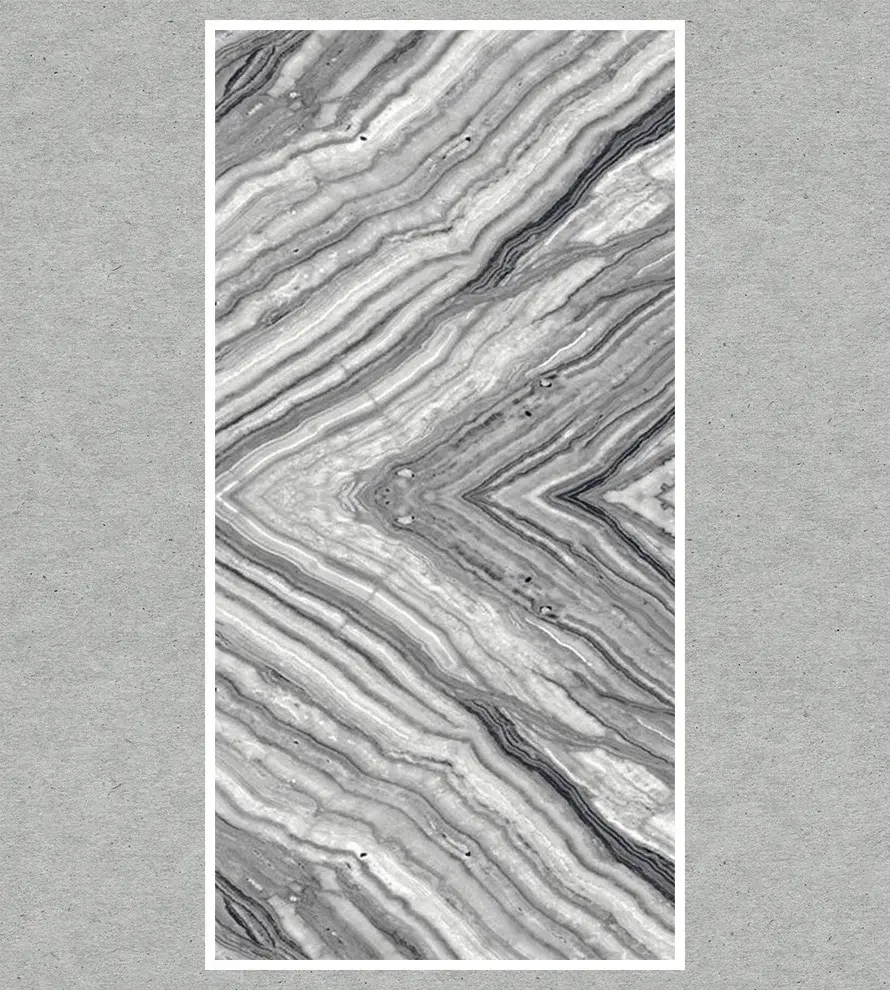
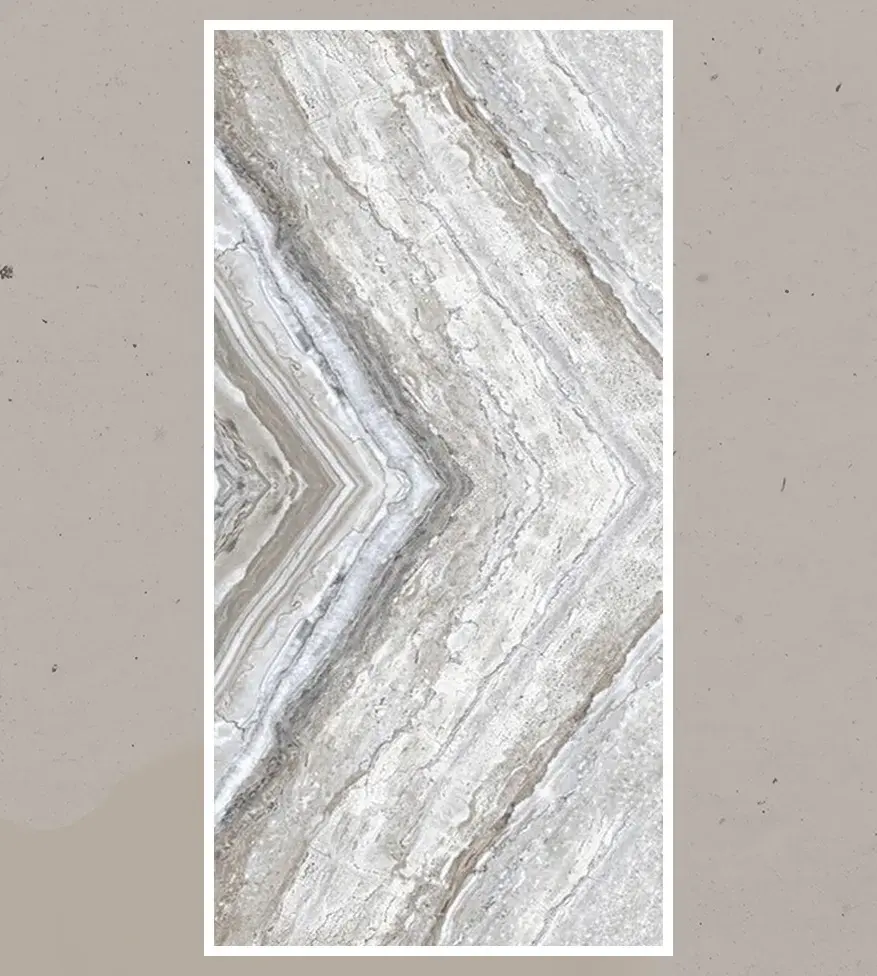
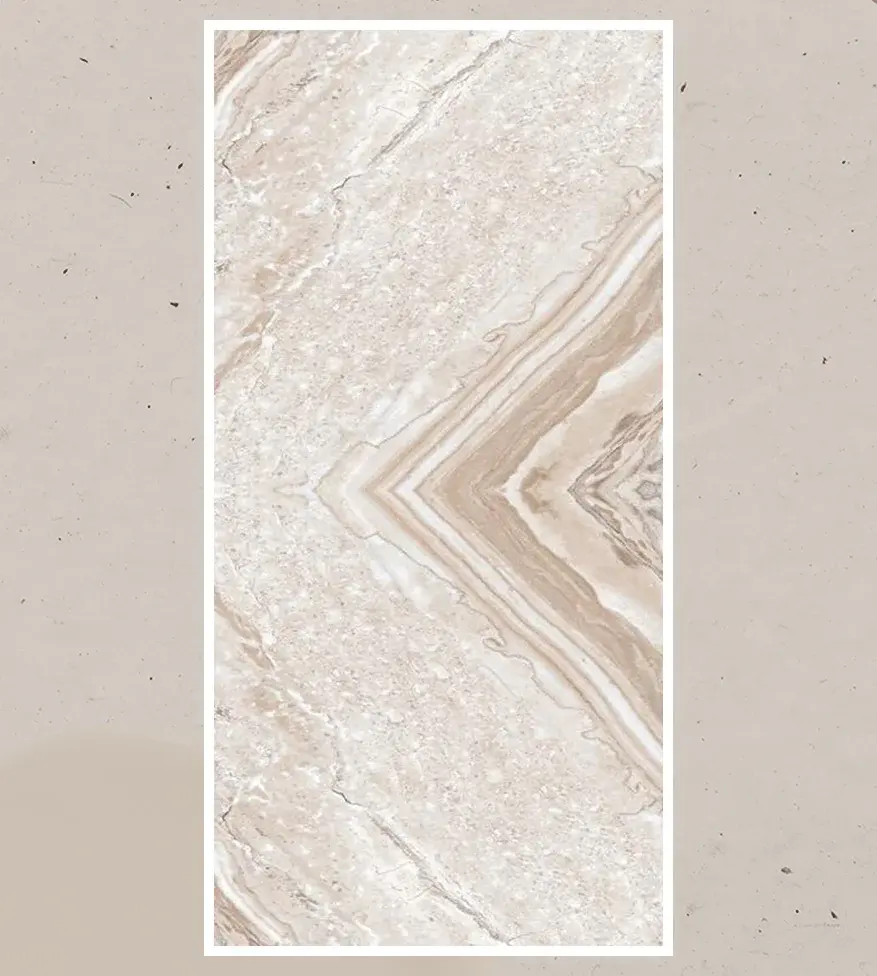
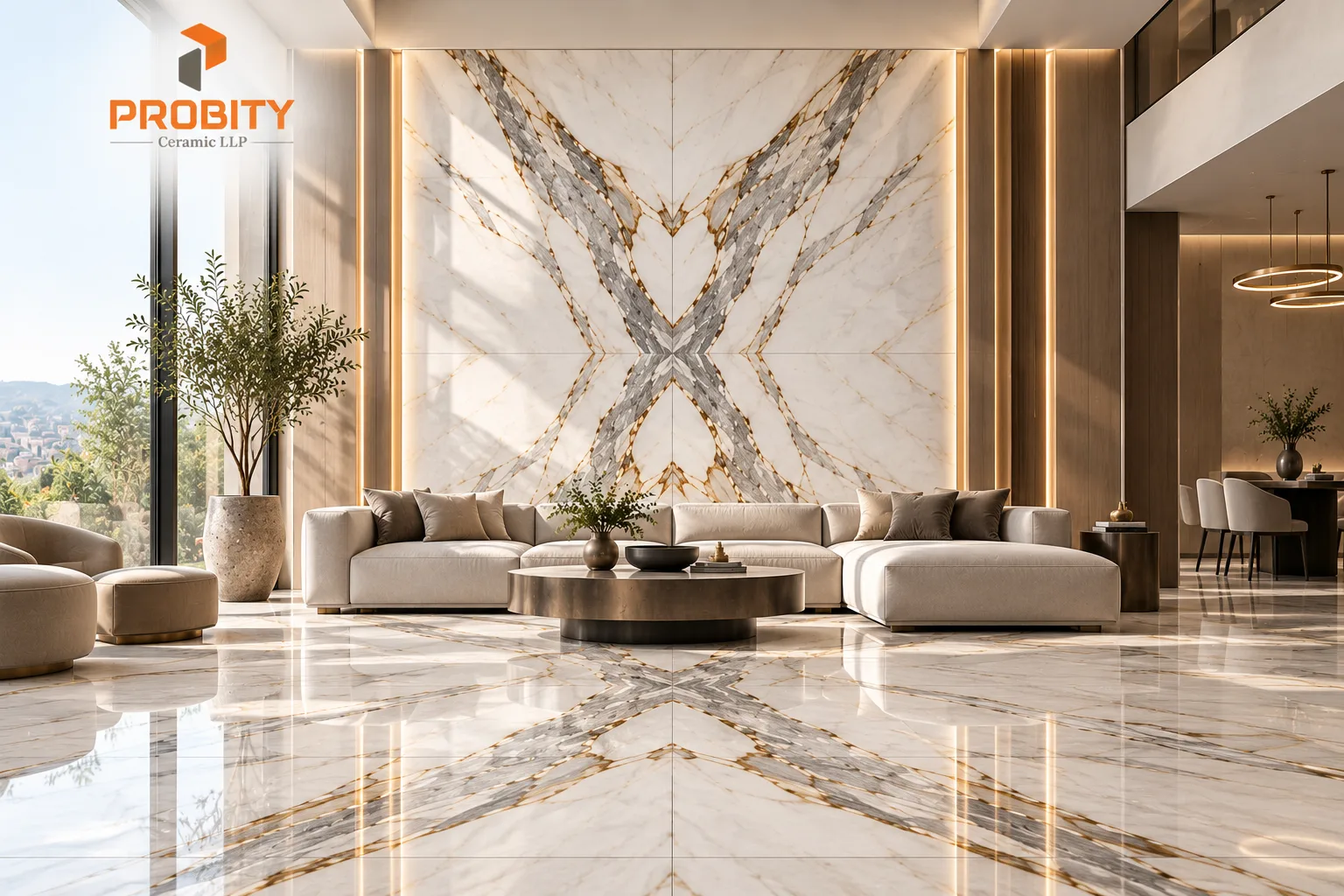
Walk into a hotel lobby, a flagship showroom or a carefully designed bathroom and the surface that holds attention is rarely a plain one. It is a wall where the veining of one slab flows into its neighbour and opens outward like the pages of a book. That mirrored effect - bookmatching - was once the privilege of natural marble cut in sequence from a single block. Today, digital printing, large-format pressing and rectified edges allow porcelain manufacturers to offer a comparable visual statement in a material that is dense, low in porosity and easier to maintain.For a buyer, however, bookmatched porcelain is not an ordinary tile purchase. The effect works only if the right pieces arrive in the right sequence, from the same production run, packed so that they survive the journey and installed in the order the designer intended. A beautiful catalogue image guarantees none of this.That is why the right question is not simply, “Which bookmatched marble look design should I choose?” It is, “How do I specify, source, ship and install a matched set so that the pattern the designer approved is the pattern the client actually sees?”This guide takes you through that process step by step - from understanding what bookmatching is and where it works, to specifying sizes and finishes, planning the layout, approving samples, packing and shipping the order, and calculating the true landed cost.1. What Is Bookmatching?Bookmatching is the practice of laying two mirror-image pieces of a material side by side so that the pattern opens outward like the pages of a book. In natural stone, slabs are cut one after another from the same block, and the faces that once lay against each other are placed next to each other so that the veins meet and continue across the joint.In porcelain there is no quarry block. The veining is part of the printed surface design, so the manufacturer creates matched designs in which neighbouring slabs or tiles mirror one another. The visual result is comparable, but it is achieved through design, printing and careful sorting rather than through the cutting of a single block.Related layout termsBookmatch - two neighbouring pieces mirror each other along a shared edge.Quartermatch - four pieces are arranged as reflections of one another, both horizontally and vertically, to create a symmetrical composition.Slip match - consecutive pieces are laid in the same direction so that the pattern continues rather than mirrors.Not every marble look design suits bookmatching. The effect depends on directional veining with a clear flow towards the edges of the slab. A soft, cloudy design may look attractive as a single tile yet produce little visible symmetry once mirrored.2. How Bookmatched Porcelain Is MadeBookmatched porcelain follows the same broad route as other large-format porcelain, with additional design and sorting steps that make the sequence work.Design - artwork is prepared so that adjacent pieces mirror or continue each other at the joint.Pressing - large-format bodies are pressed to the required size and thickness.Digital printing - inkjet decoration reproduces veining, depth and colour variation on the surface.Firing and finishing - the product is fired and finished as polished, matt, satin or another surface.Rectification - edges are precision-cut so that pieces can be installed with tight joints.Sorting and packing - matched pieces are identified, kept together and packed in the intended order.Because the decoration is digital, pattern control is a strength of the process. Shade, size, flatness and surface consistency, however, still depend on production control. A mirrored pattern looks convincing only if both halves of the pair share the same tone and finish.Buyers should also read the word “bookmatch” in a catalogue carefully. Some collections are genuinely designed as matched sets; others simply offer several similar faces. Ask the manufacturer to show exactly how a set is formed and how it is identified.3. Why It Has Become the New Statement SurfaceVisual scale - large slabs and mirrored veining create a continuous surface with fewer interruptions than conventional tile.Drama without natural-stone economics - bookmatched natural marble is among the most expensive surface treatments; marble look porcelain makes a comparable visual statement more accessible.Practical performance - porcelain is dense, low in water absorption and generally easier to maintain than natural marble.Repeatable supply - a porcelain design can be produced again, whereas every natural block is unique. That matters to distributors and multi-site projects.Application range - the same design can serve walls, floors, vanities and, where the product is approved for it, worktops.Showroom impact - for a distributor, a bookmatched display panel can become the most memorable feature of the showroom.Honesty matters. Marble look porcelain reproduces the appearance of marble; it is not marble. Buyers and specifiers should describe it accurately and let its practical strengths carry the sale.4. Where Bookmatched Marble Look Porcelain Works BestFeature and television walls - a single mirrored composition becomes the focal point of a living space.Hotel, office and retail lobbies - reception walls and entrance floors benefit from the scale and continuity.Bathrooms and shower walls - low-porosity porcelain suits wet zones; check slip resistance separately for floors.Kitchen islands and backsplashes - continuous slabs reduce joints; worktop use requires a slab approved for that purpose.Columns, lift lobbies and fireplace surrounds - vertical surfaces show the symmetry clearly.Feature floors - matched sequences can form carpet-style floor compositions in larger rooms.For floors, polished surfaces can be slippery when wet. Confirm the slip-resistance data for the exact product wherever safety compliance applies.5. Sizes, Thickness and FinishesSizesBookmatching is usually associated with large formats because bigger surfaces show the mirrored veining more clearly. Formats commonly discussed in the market include 600×1200 mm, 800×1600 mm, 1200×1800 mm and 1200×2400 mm, with larger slabs available from some producers. Confirm the sizes actually available for the design you want.ThicknessThickness depends on the application. Thinner panels are often used for wall cladding, while floors, worktops and exterior use may call for different thicknesses and support conditions. Never assume that a slab suitable for one application is suitable for another.FinishPolished - sharpens the veining and reflects light; the most dramatic look, but slipperier when wet.Matt or satin - a softer, more contemporary appearance and generally better traction.Soft-touch or textured - adds a tactile quality; confirm that the texture does not soften the clarity of the veining.EdgesRectified edges are essential where a tight, near-continuous joint is intended. Ask whether the pieces are rectified and what joint width the manufacturer recommends.“Large format” describes size. It does not automatically mean a product is suitable for every application, particularly kitchen worktops.6. Plan the Layout Before You OrderA bookmatched installation is designed before it is ordered.Measure the surface - record wall or floor dimensions, openings, corners, sockets, niches and returns.Choose the match - decide between a two-way bookmatch, a four-way quartermatch or a slip-matched sequence.Set the orientation - vertical, horizontal or diagonal veining changes the character of the surface.Create a numbered layout drawing - show each piece, its position and its place in the sequence.Plan cuts early - locate sockets, switches and niches so that they do not destroy the central symmetry.Share the drawing with the manufacturer - the export team can then confirm the number of sets required and the packing sequence.A layout drawing costs very little compared with discovering on site that the pattern does not meet where the designer intended.7. What to Specify Before Requesting a QuotationA manufacturer cannot quote comparably if the enquiry says only “marble look slabs” or “best price”. Define the requirement first.Product specificationDesign name and code, with images of the approved matched arrangement.Size, thickness and finish.Edge: rectified or otherwise.Match type: two-way, four-way or slip match.Application: wall, floor, vanity, worktop or exterior.Technical requirements: water absorption, breaking strength, slip resistance and other applicable parameters.Commercial specificationTotal quantity and the number of matched sets or pieces.Requirement that all pieces for one installation come from a single production run.Packing: sequence labelling, set identification and protection.Spare pieces for breakage, cutting errors and future repair.Destination country and port, and preferred Incoterm.Standard or private-label packaging.Trial order or recurring programme.A detailed enquiry lets the manufacturer quote a genuinely comparable price and confirm whether the design can be supplied as a matched set at all.8. Samples and Quality Checks for Matched SetsA digital render of a bookmatched wall is not a production approval. Treat the approved physical sample and the written specification as the reference for bulk production.A matched pair, not a single tile - ask to see two pieces laid side by side, or photographs of an actual production pair.Vein alignment - check that the veins meet at the joint and that the mirror effect is visible from normal viewing distance.Shade and tone - compare both pieces and, for multi-set installations, different sets.Size, squareness and flatness - large formats reveal small deviations more easily than standard tiles.Surface quality - look for polish uniformity, pinholes, glaze faults and visible defects.Thickness and weight - confirm both against the written specification.Technical data - request applicable test reports, including slip resistance for floors.Set identification - confirm how pieces are numbered or labelled.For high-value projects, consider pre-shipment inspection and record the product code, shade, size and batch information in the purchase order.9. Packing, Sequencing and Container LoadingLarge slabs are heavy, brittle and easily damaged at the edges. Packing must protect the material and also protect the sequence.Sequence integrity - pieces should be packed and labelled so that the installer can unpack them in the order shown on the layout.Protection - suitable crates or pallets, edge and corner protection, and separation between surfaces to prevent scratching.Securing - slabs should be blocked and secured so that they cannot move in transit.Container plan - check weight and dimensions against the container and confirm the loading plan before production.Batch discipline - avoid splitting a single installation across production runs or containers unless the manufacturer confirms shade continuity.Destination handling - confirm what equipment is available at the port and on site to unload and move slabs.Probity’s current porcelain-tile page states that it uses export-standard packaging with wooden pallets, corner protectors and shrink wrapping, and that its export team assists with container planning, customs paperwork and freight coordination. Buyers should confirm the packing method for large-format slabs specifically.Probity also states a general production lead time of 15–20 days for its porcelain tiles from order confirmation and deposit receipt, depending on design availability. Lead times for slabs, custom sets or private-label work should be confirmed separately for the actual order.10. Installation and Handling ConsiderationsSubstrate - prepare a flat, stable and clean surface; large formats reveal irregularities.Adhesive and method - follow the slab manufacturer’s and adhesive supplier’s recommendations for large-format and thin-panel installation.Dry lay first - lay the pieces in sequence without fixing them to confirm the pattern before adhesive is applied.Consistent joints - keep joints uniform and tight, using levelling systems where appropriate.Handling equipment - suction lifters and carrying frames reduce breakage and edge damage.Cutting - plan cut-outs before fixing and use tools suited to porcelain.Movement joints - provide movement joints and perimeter allowances as required by local standards.Protection - protect finished surfaces until other trades have completed their work.Use installers with large-format experience. The best slab cannot compensate for a poorly executed installation.11. Pricing, Wastage and Landed CostBookmatched designs are often priced above standard marble look tiles because of the matched design, sorting and more demanding production. The price per square metre alone, however, does not tell the whole story.WastageA matched layout restricts how offcuts can be reused because every piece has a position in the sequence. Agree a realistic allowance with your installer, order every set required in one production run, and keep spare pieces from the same batch; matching replacements later can be difficult.Landed costCompare suppliers on landed cost, not on FOB price alone.Product - price × ordered quantity, including any matched-set premium.Packaging - crates, pallets, protection and any private-label requirements.Inland logistics - factory-to-port movement and handling.Ocean freight - slabs are heavy, so container weight limits can affect freight per square metre.Insurance - where applicable; particularly relevant for fragile, high-value cargo.Import taxes - duty, VAT/GST and other destination charges; confirm the tariff classification with your customs broker.Port and clearance - terminal, broker, documentation and handling.Local delivery and handling - equipment and labour to move slabs safely to site.Installation - specialist labour and suitable adhesive systems.Risk allowance - inspection, currency movement and realistic breakage.Build one comparison sheet for every shortlisted supplier. It prevents an attractive factory price from hiding expensive downstream costs.12. Common Mistakes Buyers MakeApproving a single tile instead of a matched pair.Assuming every marble look design can be bookmatched.Ordering an installation in more than one production run and receiving shade differences.Failing to agree set identification and packing sequence in writing.Ignoring the extra wastage a matched layout requires.Using a wall-rated slab as a kitchen worktop.Specifying a polished finish for wet floors without checking slip resistance.Ordering without a numbered layout drawing.Underestimating handling equipment and installer skill.Skipping pre-shipment inspection on high-value orders.Scaling to multiple containers before validating the first shipment.13. Why Morbi Produces Bookmatch Slabs at ScaleMorbi’s importance comes from ecosystem depth. Manufacturers operate alongside suppliers of raw materials, machinery, glazes, digital printing, packaging, logistics and export services. That concentration has helped large-format and marble look slab collections, including bookmatched designs, to be produced at scale.For international buyers, a sourcing visit allows design libraries, slab formats and factory capability to be compared in one region. It does not remove the need for due diligence: capability in matched-set sorting, batch control and export packing varies from factory to factory.14. Working with Probity Ceramic LLPProbity Ceramic LLP is a Morbi-based ceramic and porcelain tile manufacturer and exporter. Its website states that its journey began in 2008 in the ceramic industry and that the business was restructured as Probity Ceramic LLP in 2021. It also states annual production capacity of 4,000,000+ square metres and identifies SACMI pressing systems and System digital inkjet printers within its manufacturing infrastructure.Its published product and export offering includes porcelain tiles, ceramic wall tiles, vitrified tiles, porcelain slabs and kitchen tops, outdoor and parking tiles, mosaic tiles and quartz surfaces. The company also states that it supports private-label packaging, export-standard packaging, samples, container planning, documentation and freight coordination.Probity’s website currently lists export activity across markets including Germany, Poland, Hungary, Slovakia, Slovenia, Czechia, Romania, Spain, Italy, Kenya, Somalia, Mauritius, the USA, UK, Canada, Russia and Ukraine. Destination-specific requirements should be confirmed for each order.Bookmatched work is design- and batch-sensitive, so the most useful first enquiry includes:The destination market and port.The application: wall, floor, vanity or worktop.Required slab or tile size, thickness and finish.The match type and the number of sets or square metres.Any layout drawing or design reference.Packaging needs, including private-label requirements.Because bookmatch availability depends on the specific design, size and set configuration, ask the export team to confirm which designs can be supplied as matched sets, how sets are identified and packed, and whether all pieces for one installation will come from the same production run.15. Frequently Asked QuestionsWhat is bookmatched marble look porcelain?It is porcelain tile or slab printed with marble-style veining and designed so that neighbouring pieces mirror each other, creating a symmetrical pattern that opens like the pages of a book.How is bookmatched porcelain different from natural bookmatched marble?Natural bookmatching uses slabs cut in sequence from one block. In porcelain, the mirrored pattern is created through design and digital printing, and matched pieces are produced, sorted and packed as sets. Porcelain can be produced again; every natural block is unique.Are bookmatched tiles and bookmatched slabs the same thing?Both use mirrored patterns, but slabs are larger and show the effect across bigger surfaces with fewer joints. Smaller tiles can also be bookmatched, although the effect is often less dramatic.What sizes are commonly available?Formats commonly discussed include 600×1200 mm, 800×1600 mm, 1200×1800 mm and 1200×2400 mm, with larger slabs from some producers. Availability depends on the design and manufacturer.Is bookmatched porcelain suitable for bathrooms and wet areas?Porcelain’s low water absorption makes it suitable for many wet-area walls and vanities. For floors, check slip-resistance data because polished surfaces can be slippery when wet.Can bookmatched porcelain slabs be used as kitchen worktops?Only if the specific slab is approved for worktop use. Thickness, support and fabrication requirements vary, so ask for written confirmation for the exact product.Does bookmatched porcelain cost more?Often yes, because of the matched design, sorting and production requirements. Compare suppliers on landed cost per installed square metre rather than on factory price alone.How do I avoid shade differences between sets?Order all required sets in one production run, approve a physical sample, record the product code, shade and batch, and agree in writing that pieces for one installation come from the same batch.How do I keep the pattern continuous during installation?Prepare a numbered layout drawing, keep the pieces in sequence, dry lay before fixing, and use installers experienced with large-format material.Can every marble look design be bookmatched?No. The design needs directional veining that mirrors convincingly. Ask the manufacturer which designs are supplied as matched sets.What information should I send when requesting a quotation?Provide the design, size, thickness, finish, match type, application, quantity or number of sets, packaging requirement, destination port and preferred Incoterm.Can Probity supply bookmatched marble look porcelain?Probity lists porcelain slabs and kitchen tops among its export products. Because bookmatch availability depends on the specific design, size and set configuration, share your requirement with the export team and ask them to confirm the available designs and how matched sets would be supplied.16. Conclusion and Next StepsBookmatched marble look porcelain can give a project the visual authority of natural marble with the practical advantages of porcelain - but only when it is treated as a system rather than a product code. The design must suit mirroring, the layout must be drawn, the pieces must come from the same production run, the packing must protect the sequence, and the installation must follow it.Start with a precise specification. Approve a matched physical sample. Plan the layout before ordering. Agree batch, set identification and packing in writing. Compare landed cost instead of factory price alone. Then use the first project or shipment to validate the supplier before scaling.For importers, distributors, designers and project buyers looking for an Indian manufacturing partner, Probity Ceramic LLP offers direct sourcing from Morbi, with porcelain tile and slab ranges, private-label support, export packaging and assistance with container planning and shipping.

Complete Guide to Import Tiles from India
India has become an important sourcing destination for ceramic and porcelain tiles, with Morbi, Gujarat at the centre of a highly concentrated manufacturing ecosystem. For an international buyer, however, finding a competitive factory price is only the beginning. A successful import depends on product specification, supplier verification, commercial terms, packaging, documentation, freight planning, destination-market requirements and the manufacturer's ability to deliver the same specification repeatedly.That is why the right question is not simply, “How much do tiles cost in India?” It is, “How do I build a reliable tile supply chain from India to my market?”This guide takes you through that process step by step — from identifying the right tile and manufacturer to requesting samples, negotiating a quotation, preparing the purchase order, planning the container, checking documents and calculating the true landed cost.1. Why Import Tiles from India?India's appeal comes from manufacturing scale, product variety, design capability, competitive production economics and an established export ecosystem. Morbi gives international buyers access to a large concentration of tile manufacturers and supporting suppliers.Buyer RequirementWhy India Can Be RelevantCompetitive sourcingA large manufacturing base creates broad supplier choice and competitive factory pricing.Product rangeCeramic wall tiles, porcelain, GVT, PGVT, vitrified, outdoor tiles and large-format slabs.Design varietyDigital decoration supports marble, stone, wood, concrete and other surfaces.ScaleEstablished factories can support container-scale and repeat procurement.Export infrastructureGujarat's manufacturing base is connected to major container ports and freight services.OEM/private labelSuitable manufacturers can develop buyer-specific packaging and collections.India should not be treated as one uniform supplier base. Manufacturing capability, quality systems, export experience and commercial discipline vary from factory to factory.2. Understand the Indian Tile Manufacturing EcosystemMorbi is more than a city containing tile factories. It is an industrial ecosystem involving manufacturers, raw-material suppliers, machinery and technology providers, glaze and printing specialists, packaging companies, logistics operators and export-service businesses.•Dense supplier choice and easier comparison.•Specialised suppliers supporting product development and manufacturing.•A broad product ecosystem covering standard and premium categories.•Established logistics and export support around the manufacturing cluster.For a first-time importer, the ecosystem is an advantage — but the number of suppliers makes structured due diligence essential.3. Decide Exactly What You Need Before Requesting PricesA manufacturer cannot give a useful, comparable quotation if the enquiry only says “porcelain tiles” or “best price”. Define the requirement first.Product specification•Category: ceramic, porcelain, GVT, PGVT, full body, double charge, outdoor or parking.•Application: residential, commercial, hospitality, retail, outdoor, wet area or heavy traffic.•Size and thickness.•Finish: polished, matt, rustic, carving, sugar, stone, wood, marble or concrete look.•Rectification/calibration and technical performance requirements.Commercial specification•Estimated quantity and frequency.•Trial order or recurring programme.•FCL or mixed-container requirement.•Destination country and port.•Preferred Incoterm.•Standard or private-label packaging.A detailed enquiry brief makes supplier quotations genuinely comparable.4. How to Find and Verify a Tile Manufacturer in IndiaSearch engines, trade portals, catalogues and recommendations create a shortlist; they do not prove manufacturing capability.VerificationWhat to CheckCompany identityLegal entity, registered address, GST and IEC information where relevant.FactoryActual manufacturing location and operating entity.CapabilityProducts, sizes, equipment and production capacity relevant to your order.QualityInspection stages, shade control, calibration and batch traceability.Export recordMarkets served and experience with your destination.SamplesProduction samples and technical documents.AuditPhysical or video factory audit for meaningful orders.A trading company can be legitimate, but the buyer should understand who actually manufactures the tiles and who is contractually responsible for quality.5. Samples, Quality Checks and Technical SpecificationsA catalogue photograph is not a quality approval. Treat the approved production sample and written specification as the reference for bulk production.•Shade and design consistency.•Dimensions, calibration and flatness.•Surface finish and visible defects.•Thickness and weight.•Water absorption and other applicable parameters.•Packaging and protection.For repeat orders, document product code, shade, calibre and batch information. For major projects, consider approving a written technical sample sheet before production.6. Certifications and Destination-Market ComplianceRequirements depend on destination, product and application. Identify the applicable rules before production.•European markets: verify applicable CE/conformity and harmonised-standard requirements.•North American markets: confirm relevant ASTM/ANSI requirements.•Gulf and other regulated markets: verify local conformity, labelling and import requirements.•Where applicable, obtain environmental or chemical declarations and supporting reports.Do not treat a certification logo on a brochure as sufficient evidence. Request the actual document covering the product being purchased and verify its scope where appropriate.7. MOQ, Pricing and IncotermsTile export procurement is commonly container-oriented. Exact MOQ varies by product, design, size, manufacturer and whether the order is catalogue or OEM.TermBuyer MeaningEXWBuyer takes responsibility from the agreed factory point.FOBSeller handles export-side obligations to the agreed port loading point; buyer arranges main freight.CIFSeller includes cost, insurance and freight to the named destination port; destination charges remain relevant.FCLFull Container Load, commonly used for recurring bulk procurement.Mixed containerDifferent products may be combined subject to availability and quantity.Every quotation should state currency, Incoterm, named port, quotation validity, MOQ, packing basis, container quantity and payment terms.Payment structures vary. New buyers may be asked for an advance, while established relationships can support negotiated terms. Agree the exact payment schedule contractually rather than relying on generic market assumptions.8. Packaging, Container Loading and ShippingTiles are heavy and brittle. Poor packaging can erase the benefit of a competitive purchase price.•Export-grade cartons and palletisation.•Corner protection and surface protection.•Clear carton-level product identification.•Container loading plan matched to SKU mix.•Confirmation of who books freight and handles export-side documentation.•Realistic production, port and ocean-transit buffers.Probity's current porcelain-tile page states that it uses export-standard packaging with wooden pallets, corner protectors and shrink wrapping, and that its export team assists with container planning, customs paperwork and freight coordination. These capabilities should be confirmed against the specific order.Probity also states a general production lead time of 15–20 days from order confirmation and deposit receipt, depending on design availability. Buyers should obtain the committed production schedule for their actual order.9. Export Documentation You Should ExpectThe exact document set depends on the destination, transaction and product, but commonly includes:•Commercial Invoice•Packing List•Bill of Lading•Certificate of Origin where applicable•Product test reports or conformity documents where required•Insurance documentation where applicable•Destination-specific declarations or certificates where requiredGive the supplier your destination-market documentation requirements before production is completed. Check descriptions, quantities, weights, marks and other commercial details before shipment.10. Calculate the True Landed CostThe lowest FOB quotation is not necessarily the lowest imported cost. Compare suppliers on landed cost.Cost ComponentWhat to IncludeProductTile price × ordered quantity.PackagingSpecial cartons, private-label boxes, pallets and protection.Inland logisticsFactory-to-port movement and handling.Ocean freightMain freight to destination.InsuranceWhere applicable.Import taxesDuty, VAT/GST and other destination charges.Port & clearanceTerminal, broker, documentation and handling.Local deliveryDestination port to warehouse/project.Risk allowanceInspection, currency movement and realistic breakage/waste.Build one comparison sheet for every shortlisted supplier. This prevents an attractive factory price from hiding expensive downstream costs.11. Place the First Order and Control the Risk1.Approve the exact product and physical sample.2.Confirm size, thickness, finish, shade, calibre, quantity and packing.3.Agree Incoterm, named port and payment terms.4.Issue a detailed purchase order/proforma invoice.5.Confirm production and shipment dates in writing.6.Request agreed progress updates.7.Use pre-shipment inspection when order value justifies it.8.Check export and shipping documents before departure.9.Inspect cargo promptly after arrival and document discrepancies.10.Evaluate the first shipment before scaling the supplier relationship.12. Common Mistakes International Buyers Make•Choosing only on FOB price.•Approving a showroom sample instead of a production sample.•Failing to document shade, calibre, thickness and surface requirements.•Assuming a certificate applies to every product in a catalogue.•Ignoring destination-side charges.•Underestimating customs/documentation requirements.•Ordering large-format slabs without checking handling requirements.•Compressing the project schedule without production and shipping buffers.•Using vague purchase orders.•Scaling to multiple containers before validating the first shipment.13. Why Morbi Is a Strategic Sourcing DestinationMorbi's importance comes from ecosystem depth. Manufacturers operate alongside suppliers of raw materials, machinery, glazes, packaging, logistics and other specialist services. This concentration supports product variety, supplier choice and export scale.For international buyers, a sourcing visit can be used to compare multiple potential partners, inspect factories and discuss commercial programmes in one manufacturing region. The cluster does not eliminate due diligence; it makes a structured comparison more practical.14. Working with Probity Ceramic LLPProbity Ceramic LLP is a Morbi-based ceramic and porcelain tile manufacturer and exporter. Its current website states annual production capacity of 4,000,000+ square metres and identifies SACMI pressing systems and System digital inkjet printers within its manufacturing infrastructure.Its published product and export offering includes porcelain tiles, ceramic wall tiles, vitrified tiles, porcelain slabs and kitchen tops, outdoor and parking tiles and mosaic tiles. The company also states that it supports private-label packaging, export-standard packaging, samples, container planning, documentation and freight coordination.Probity's website currently lists export activity across markets including Germany, Poland, Hungary, Slovakia, Slovenia, Czechia, Romania, Spain, Italy, Kenya, Somalia, Mauritius, the USA, UK, Canada, Russia and Ukraine. Destination-specific requirements should be confirmed for each order.For an importer evaluating Probity, the most useful first enquiry includes the destination market, required categories, sizes, finishes, quantity, packaging needs and destination port. That allows the export team to recommend suitable products and prepare a relevant quotation.15. Frequently Asked QuestionsWhat is the best way to import tiles from India?Define the product specification, shortlist verified manufacturers, request production samples, confirm compliance, compare landed costs, agree commercial terms in writing and validate the first shipment before scaling.Is India a good country to import ceramic and porcelain tiles from?India can be an attractive sourcing destination because of manufacturing scale, product variety, Morbi's ecosystem and established export infrastructure. Supplier-level verification remains essential.Which city is India's main tile manufacturing hub?Morbi in Gujarat is the country's best-known ceramic and tile manufacturing cluster and a major centre for porcelain, vitrified and ceramic tile production.What information should I send when requesting a quotation?Provide product category, size, finish, thickness, quantity, destination country/port, packaging requirement and whether you need standard or private-label packaging.Can I order mixed designs in one container?Mixed-container arrangements can be possible depending on product availability, quantity, packing configuration and the manufacturer's policy. Confirm the loading plan before production.How do I verify an Indian tile manufacturer?Request factory information, company registrations, production evidence, samples, technical documents and relevant certificates. Consider a physical or video factory audit for meaningful orders.What certifications do imported tiles need?Requirements vary by country, product and application. Identify the destination-market requirements first and request documents covering the exact products.Should I buy tiles on FOB or CIF terms?Compare the complete landed cost and decide based on your freight relationships, destination charges and desired control over shipping. Neither term is universally better.How can I reduce breakage in international tile shipping?Use export-grade cartons, suitable pallets, corner protection, shrink wrapping and a carefully planned container load.How do I maintain shade consistency across repeat orders?Record approved samples, product codes, shade, calibre and batch details and agree repeat-order controls with the manufacturer.Can Indian manufacturers produce private-label tiles?Suitable manufacturers can support OEM/private-label packaging and, depending on capability, custom collections. Discuss MOQ, artwork, packaging and exclusivity before production.Can Probity assist with export logistics?Probity states that its export team assists with container-load planning, customs paperwork and freight coordination. Confirm the exact scope for your destination and order.16. Conclusion and Next StepsImporting tiles from India can become a powerful sourcing strategy when it is treated as a supply-chain project rather than a one-time purchase. India's manufacturing depth creates the opportunity; disciplined supplier selection and procurement controls turn that opportunity into a reliable business relationship.Start with a precise product specification. Shortlist manufacturers rather than generic suppliers. Approve samples and technical documents. Verify the factory. Compare landed cost instead of factory price alone. Put every technical and commercial requirement into writing. Plan packaging and container loading before production. Then use the first shipment to validate the supplier before scaling.For importers, distributors, wholesalers and project buyers looking for an Indian manufacturing partner, Probity Ceramic LLP offers direct sourcing from Morbi, with ceramic and porcelain tile ranges, private-label support, export packaging and assistance with container planning and shipping.
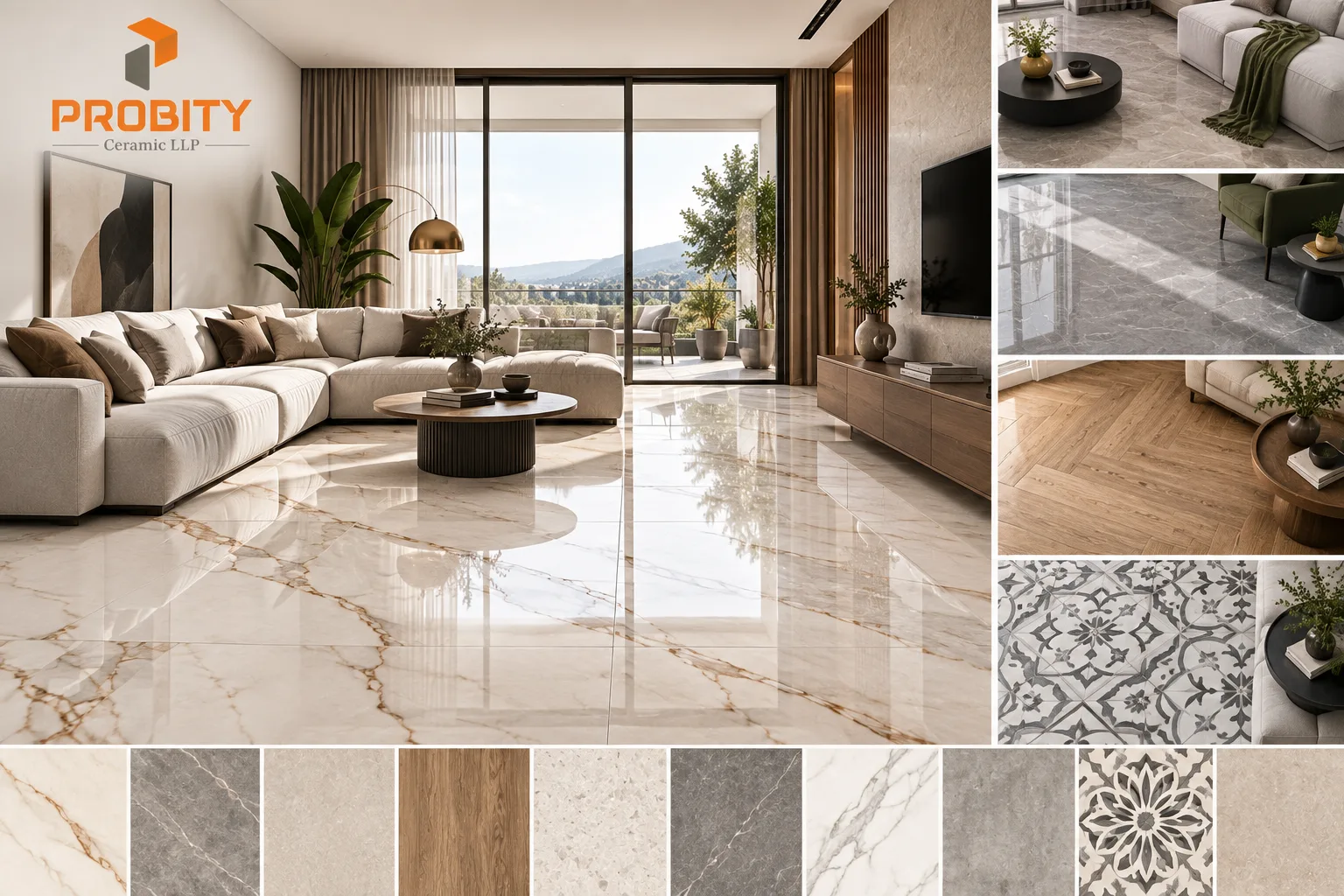
Living Room Floor Tiles Design: 15 Ideas for Your Space
The living room floor sets the tone for the entire home it's the largest continuous surface most guests will see, and it has to work with everything from the sofa fabric to the natural light coming through the windows. Tile has become one of the most popular choices for this space, offering durability, easy maintenance, and a design range that now rivals natural stone and hardwood without the upkeep either material demands.Whether you're after something bold and conversation-starting or quietly elegant and timeless, this list of 15 living room floor tile design ideas covers a wide range of styles, colours, and layouts to help you find the right direction for your space.1. What to Consider Before Choosing Living Room Floor Tiles• Room size and natural light: Lighter tones and larger formats generally make smaller or dimly lit living rooms feel more spacious• PEI rating: Living rooms see regular foot traffic, so a PEI III or higher rating is generally recommended for lasting durability• Existing decor and furniture: The floor should complement, not compete with, your sofa, rugs, and wall colours• Underfloor heating compatibility: If you're planning underfloor heating, confirm the tile and installation method are rated for it• Long-term versatility: A floor is one of the more expensive and disruptive things to change, so consider how a bold choice will age with future furniture and decor updates2. 15 Living Room Floor Tile Design Ideas1. Classic White Marble-Look: A soft-veined, white-and-grey marble-look porcelain tile brings timeless elegance to a living room without the maintenance demands of natural marble. It pairs beautifully with both minimalist and traditional furniture styles and reflects light well in smaller spaces.2. Warm Wood-Look Planks: Wood-look porcelain tile delivers the warmth and texture of hardwood flooring with far greater resistance to moisture, scratching, and fading. Wide plank formats in warm oak or walnut tones create a cosy, inviting living room atmosphere.3. Large-Format Monolithic Grey: A large-format, monolithic-style grey tile with minimal grout lines creates a seamless, contemporary base that lets furniture and art take centre stage. This works especially well in open-plan living spaces.4. Bold Terrazzo Statement Floor: A colour-block or classic marble-chip terrazzo floor turns the living room into the room's main design feature, pairing beautifully with mid-century modern or eclectic maximalist furniture.5. Monochrome Geometric Pattern: A black-and-white or tonal geometric patterned tile adds graphic interest to an otherwise neutral living room, working particularly well in period-style homes or as a nod to Art Deco design.6. Warm Beige Stone-Look: Beige and sand-toned stone-look porcelain tile creates a calm, grounding base for living rooms with warm wood furniture and natural textiles, and works well in both traditional and contemporary interiors.7. Polished PGVT for a Luxe Finish: A high-gloss polished PGVT tile in a neutral tone adds brightness and a sense of formality, particularly effective in living rooms with high ceilings and abundant natural light.8. Concrete-Look Industrial Floor: A matte, concrete-look tile suits industrial-inspired or urban-loft living rooms, pairing well with exposed brick, black metal fixtures, and leather furniture.9. Herringbone Wood-Look Layout: Installing wood-look tile in a herringbone pattern rather than a straight run adds sophisticated visual texture and movement, elevating even a simple, neutral tile choice.10. Deep Charcoal for Drama: A deep charcoal or near-black tile creates a dramatic, moody backdrop that makes lighter furniture, brass accents, and greenery stand out vividly.11. Soft Terracotta Warmth: Warm terracotta-toned tile brings a Mediterranean or Southwestern character to a living room, working particularly well with earthy textiles and rattan or wood furniture.12. Quartz Body Granite-Look Floor: A quartz body tile with a fine granular texture offers a durable, understated stone-like look that suits both contemporary and transitional living rooms without overpowering the space.13. Two-Tone Bordered Layout: Framing a plain central tile field with a contrasting border tile — even a subtle tonal difference — adds architectural definition to an open-plan living area.14. Indoor-Outdoor Continuous Flooring: Using the same large-format tile across an indoor living room and an adjoining patio or balcony creates a seamless visual flow that makes both spaces feel larger and more connected.15. Soft Sage or Muted Green Tone: A muted, sage-toned tile is a distinctive alternative to traditional neutrals, pairing well with warm wood tones and cream furniture for a fresh, contemporary living room palette.3. How to Choose the Right Tile Size for Your Living Room• Small living rooms (under 200 sq ft): Medium to large format tiles (600×600mm or 600×1200mm) with minimal grout lines can help the space feel larger• Medium living rooms (200-400 sq ft): Most standard and large formats work well; consider the room's proportions and furniture layout• Large or open-plan living rooms (400+ sq ft): Large-format or monolithic tiles reduce visual clutter from grout lines and support a more cohesive, expansive look• Rooms with alcoves or awkward layouts: Slightly smaller formats can reduce cutting and wastage around irregular corners4. Tips for Choosing Tile Colour and Finish• Lighter tones reflect more light and generally suit smaller or north-facing rooms with limited natural light• Darker tones create a cosier, more intimate atmosphere but can make a small room feel more enclosed if not balanced with lighter walls and furnishings• Matte and satin finishes tend to hide dust and minor scuffs better than high-gloss finishes in everyday living spaces• Consider how the tile will read under your room's specific lighting always view large samples under both natural daylight and evening artificial light before deciding5. Common Mistakes to Avoid• Choosing a tile based on a small swatch rather than a full-size sample, which can misrepresent colour and pattern at scale• Selecting a highly trend-specific bold pattern for a large, permanent floor area that will be costly to change later• Overlooking PEI rating and durability in favour of appearance alone• Ignoring how the tile will transition to adjoining rooms, especially in open-plan homesConclusionThe right living room floor tile does more than cover a surface, it sets the tone for the entire room and needs to work in harmony with your furniture, lighting, and lifestyle for years to come. Whether you're drawn to the timeless elegance of marble-look porcelain, the warmth of wood-look planks, or the bold personality of terrazzo, there's a tile design to match nearly every living room style and layout.Before committing, always view large-format samples in your actual space under real lighting conditions, and weigh durability alongside aesthetics — the best living room floor is one that still looks and performs beautifully years after installation.