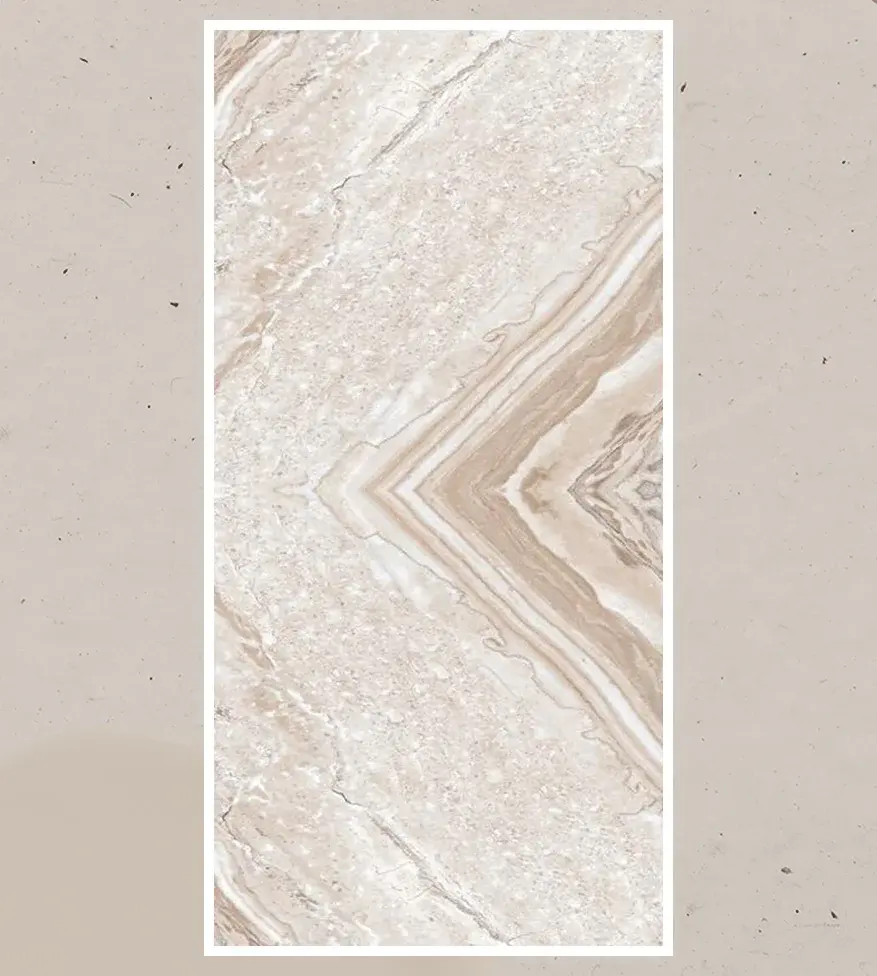
The History of Ceramic Tiles: From Ancient Egypt to Modern Porcelain
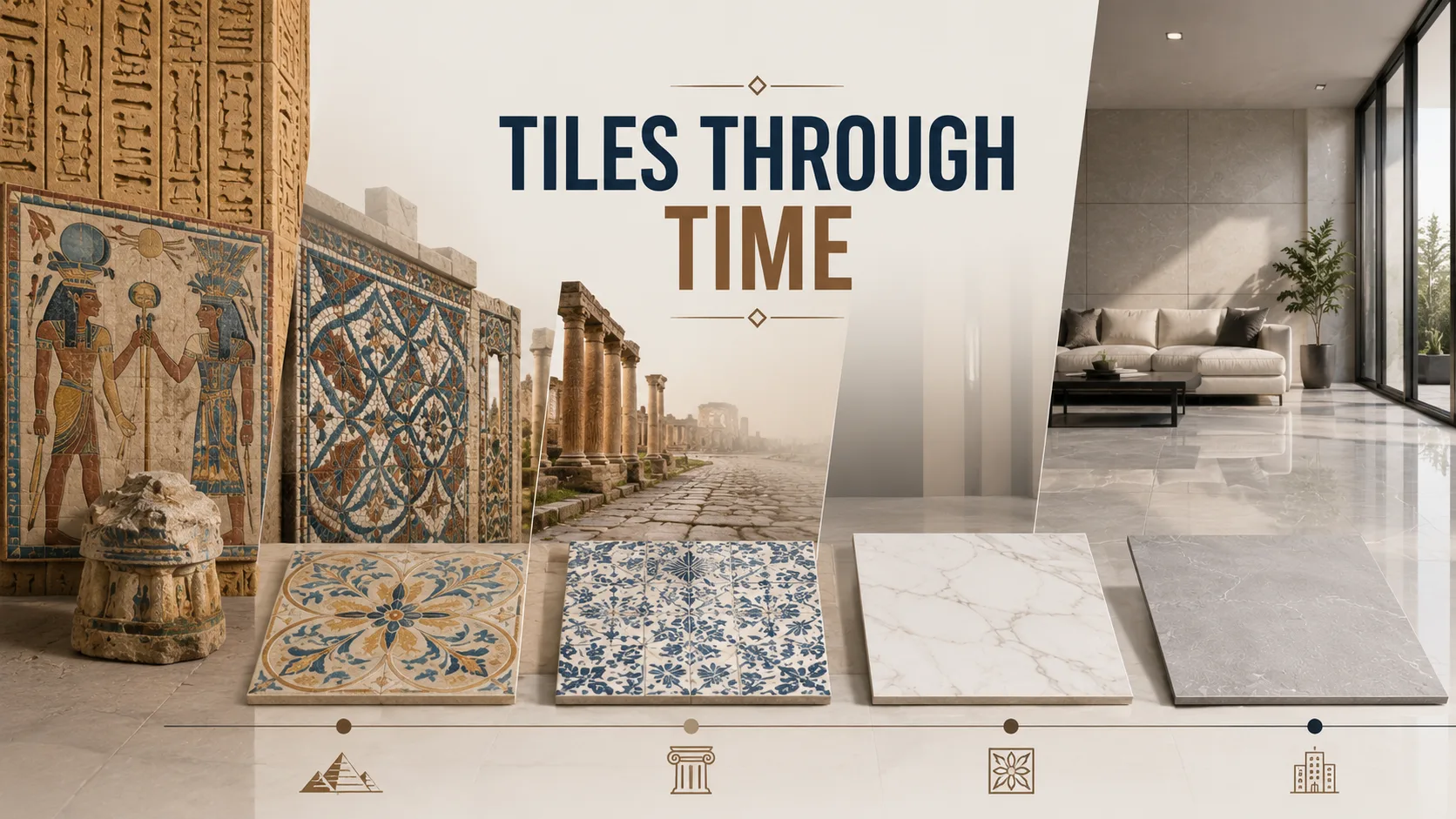
Long before porcelain tile became a byword for modern flooring and design, ceramic tile-making was already an established craft shaping the walls, floors, and monuments of some of history's great civilisations. The story of ceramic tile spans roughly six thousand years, moving through Ancient Egypt, Mesopotamia, the Islamic world, medieval Europe, and industrial-era Britain before arriving at the highly engineered porcelain slabs and digitally printed surfaces produced today.
Understanding this history isn't just an exercise in trivia - it explains why tile remains one of the most enduring building materials in human history, and how techniques developed centuries ago still echo in the design language and manufacturing logic of modern porcelain production.
1. Ancient Egypt: The Earliest Glazed Tiles
The earliest known glazed ceramic tiles date to around 4000 BCE in Ancient Egypt, where craftsmen produced blue-green faience tiles used to decorate the walls of tombs and temples. The Step Pyramid of Djoser at Saqqara, built around 2630 BCE, contains chambers lined with faience tiles designed to imitate reed matting - one of the earliest recorded examples of tile used as a decorative architectural surface.
Egyptian faience wasn't true ceramic in the modern sense - it was a quartz-based material coated in an alkaline glaze - but it established a principle that would define tile-making for millennia afterward: firing a mineral-based material to create a durable, colourful, water-resistant surface.
2. Mesopotamia and Ancient Persia: Glazed Brick on a Monumental Scale
In Mesopotamia, glazed and moulded brick became a defining feature of monumental architecture. The Ishtar Gate of Babylon, constructed around 575 BCE under Nebuchadnezzar II, was covered in vividly glazed blue bricks decorated with relief figures of dragons and bulls - a scale of glazed ceramic architecture unmatched anywhere else in the ancient world at the time.
Persian craftsmen continued this tradition, refining glazing techniques that would later influence Islamic tilework across the region for centuries to come.
3. Ancient Greece and Rome: Mosaics and Terracotta
Greek and Roman builders relied heavily on terracotta tile for roofing, and on mosaic - small ceramic, stone, or glass pieces called tesserae - for elaborate decorative flooring in villas, bathhouses, and public buildings. Roman engineers also used fired clay tiles structurally, in hypocaust underfloor heating systems, showing an early understanding of tile's thermal and functional properties beyond pure decoration.
4. The Islamic Golden Age: Geometric Mastery
Between the 8th and 15th centuries, Islamic craftsmen across Persia, North Africa, and Andalusia elevated tile-making into an art form defined by intricate geometric and calligraphic patterns. Techniques such as zellige mosaic tilework in Morocco, and the vibrant polychrome tile schemes seen at the Alhambra in Spain, demonstrated extraordinary precision in cutting, glazing, and pattern assembly.
This period also refined lustreware and cuerda seca techniques, allowing multiple glaze colours to be fired on a single tile without bleeding into one another - a technical achievement that directly influenced tile-making traditions across Europe in the centuries that followed.
5. Medieval Europe: Encaustic Tiles in Cathedrals and Castles
From roughly the 12th to 16th centuries, medieval European craftsmen developed encaustic tiles - tiles inlaid with contrasting clay colours to create durable patterns that wouldn't wear away like surface-painted decoration. These tiles became a hallmark of English and French cathedral and monastery floors, prized for their ability to withstand centuries of foot traffic while retaining their pattern.
6. Chinese and Asian Ceramic Traditions
China's ceramic tradition, running in parallel to developments in the Middle East and Europe, contributed major advances in kiln technology and high-fired glazed ceramics, including the celadon and porcelain traditions that would eventually influence global ceramic production. Glazed roof tiles became iconic features of Chinese temple and palace architecture, while regional traditions across Japan, Korea, and Southeast Asia developed their own distinct glazing and firing techniques.
7. The Renaissance: Maiolica and Delftware
Renaissance Italy saw the flourishing of maiolica - tin-glazed earthenware painted with elaborate figurative and decorative scenes, produced in centres such as Florence and Faenza. This tradition spread northward, influencing Dutch Delftware in the 16th and 17th centuries, which became famous for its distinctive blue-and-white decorative tiles used extensively in domestic interiors across the Netherlands and, through trade, much of Europe.
8. The Industrial Revolution: Mass Production Arrives
The 19th century transformed tile-making from a handcrafted trade into an industrial process. British manufacturers, most notably Herbert Minton, developed encaustic tile production methods suited to mechanised manufacturing, alongside transfer-printing techniques that allowed decorative patterns to be applied consistently at scale.
This period saw tile become accessible to a much broader market for the first time - used extensively in Victorian homes, railway stations, and public buildings - shifting tile from an elite architectural feature to a widely available building material.
9. The 20th Century: Standardisation and New Materials
The 20th century brought standardised tile sizing, improved kiln technology, and the wider adoption of glazed ceramic wall and floor tiles in homes and commercial buildings worldwide. Manufacturing shifted toward higher-volume, lower-cost production, and new glazing chemistries expanded the range of colours, finishes, and durability characteristics available to designers and builders.
10. The Rise of Modern Porcelain Tile
Porcelain tile as it's understood today emerged from advances in body composition and firing technology, particularly the development of fully vitrified bodies with very low water absorption. Key developments that shaped modern porcelain manufacturing include:
• Vitrified body technology, producing tiles with water absorption below 0.5% for significantly greater durability and frost resistance
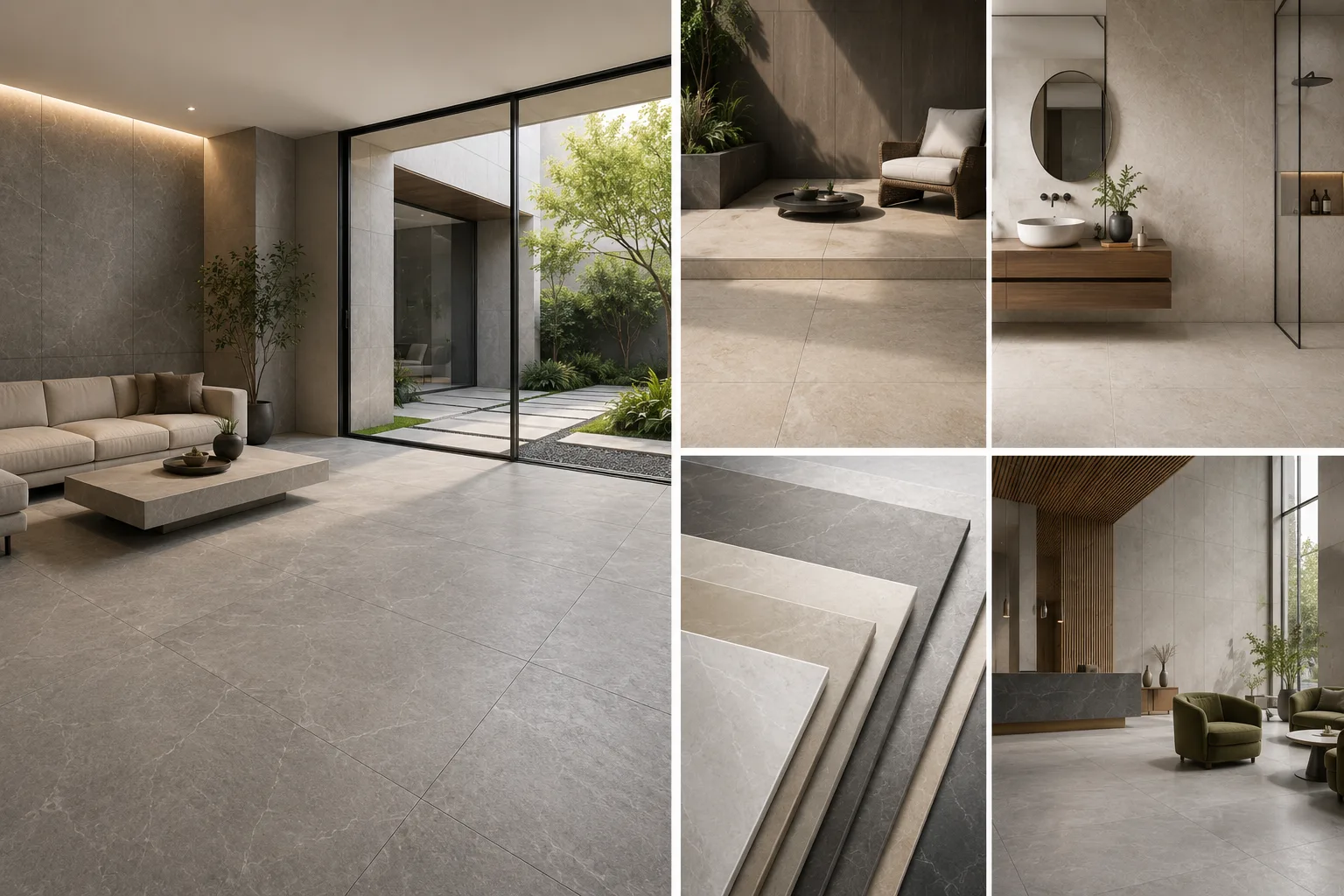
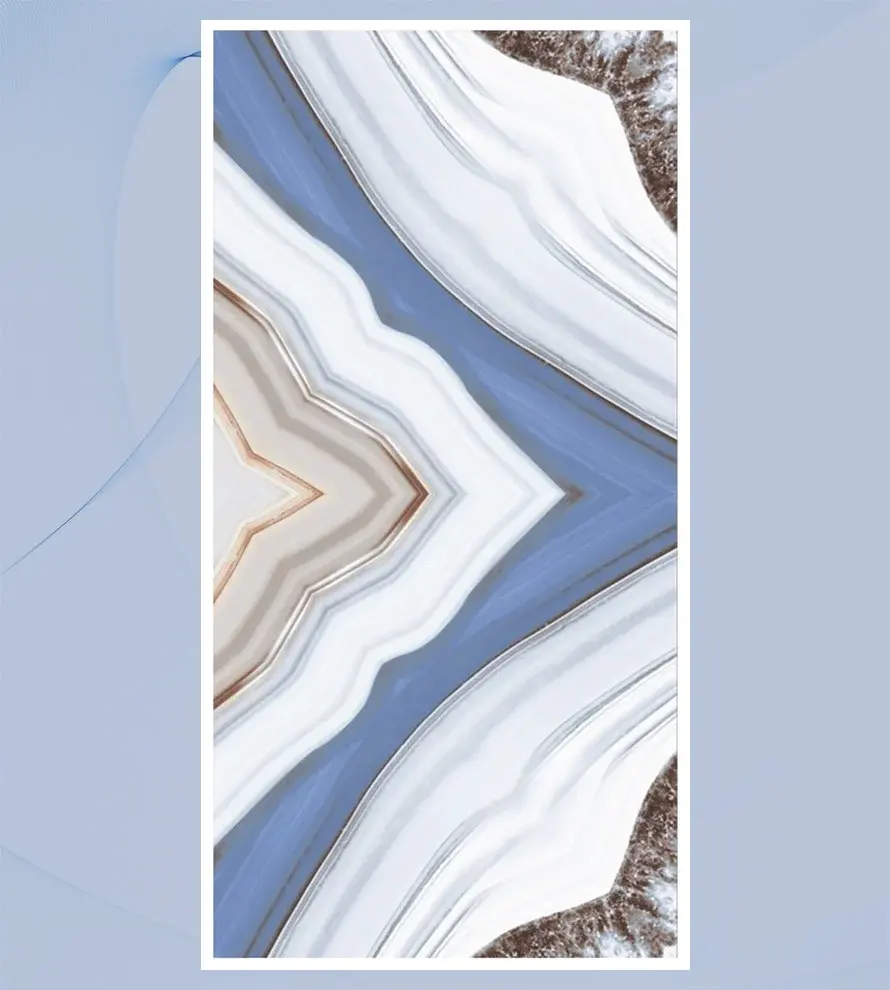
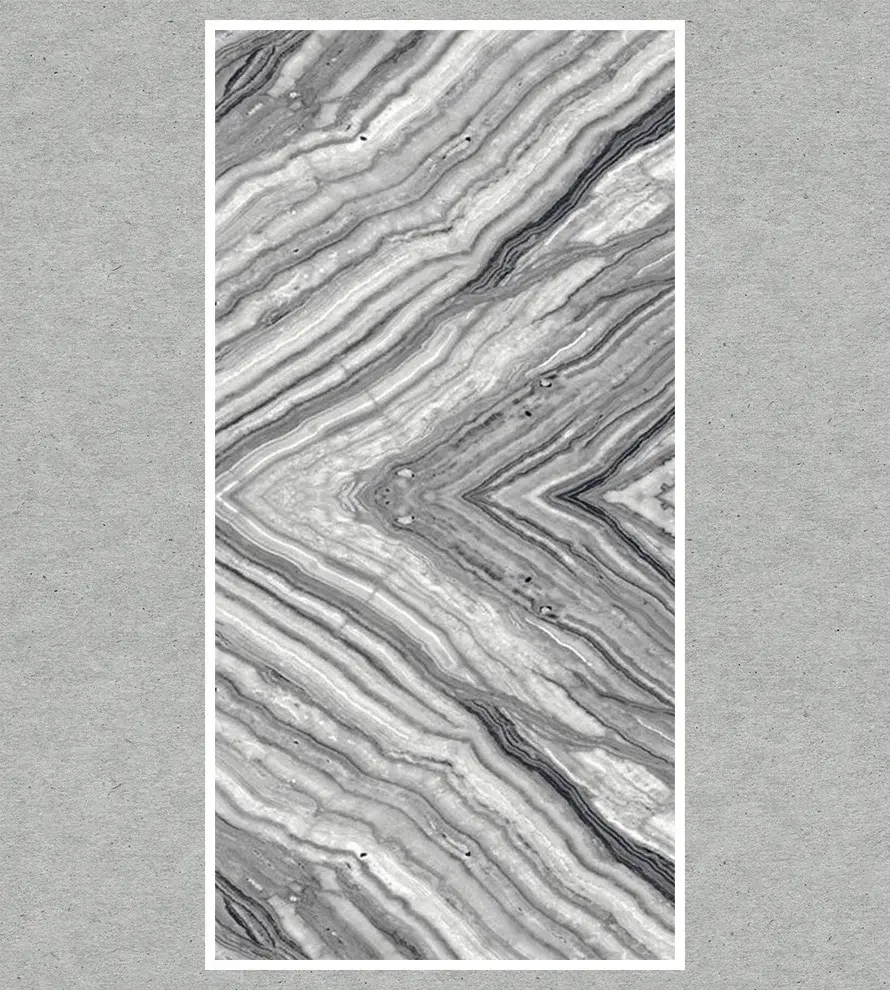
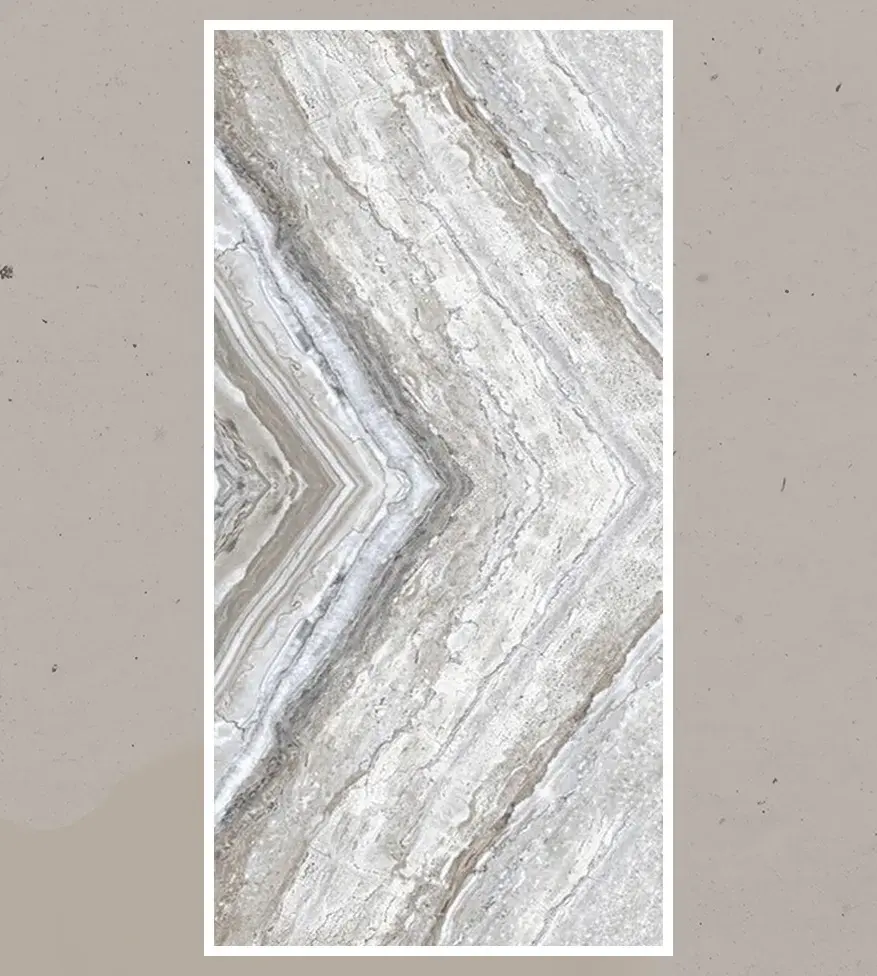
• Digital inkjet printing, introduced widely from the 2000s onward, enabling photorealistic marble, wood, and stone-look designs at a fraction of the cost of natural material
• Large-format slab production, allowing continuous surfaces with minimal grout lines for architectural and countertop applications
• Rectified edge and precision calibration technology, enabling tighter installation tolerances and more seamless finished surfaces
These innovations collectively repositioned porcelain tile from a purely functional flooring material into a design-led surface capable of replicating natural stone, wood, concrete, and fabric textures with remarkable accuracy.
11. India's Emergence as a Global Ceramic Manufacturing Hub
Over the past three decades, India - and the Morbi region of Gujarat in particular has emerged as one of the world's largest ceramic tile manufacturing hubs, combining large-scale production capacity with increasingly sophisticated technology, including GVT, PGVT, and large-format slab manufacturing. This growth reflects the same pattern seen throughout tile's history: each era's manufacturing centre has been defined by whoever combines craftsmanship, material innovation, and production scale most effectively for its time.
Conclusion: A Craft That Never Stopped Evolving
From the faience tiles of Ancient Egypt to the digitally printed porcelain slabs produced today, ceramic tile has continuously adapted - technically and aesthetically - while retaining its core purpose as a durable, decorative surface for human spaces. Modern porcelain manufacturing represents the latest chapter in a six-thousand-year continuum, carrying forward the same fundamental principles of glazing, firing, and pattern-making that shaped tile's earliest beginnings.
Understanding this heritage adds context to what might otherwise seem like a purely industrial product - modern porcelain tile is, in a very real sense, the current expression of one of humanity's oldest continuously practiced crafts.
Похожие статьи
Best Anti-Slip Outdoor Tiles for Patios, Balconies & Pool Areas
What Are Terrazzo Tiles? Everything You Need to Know