Técnico
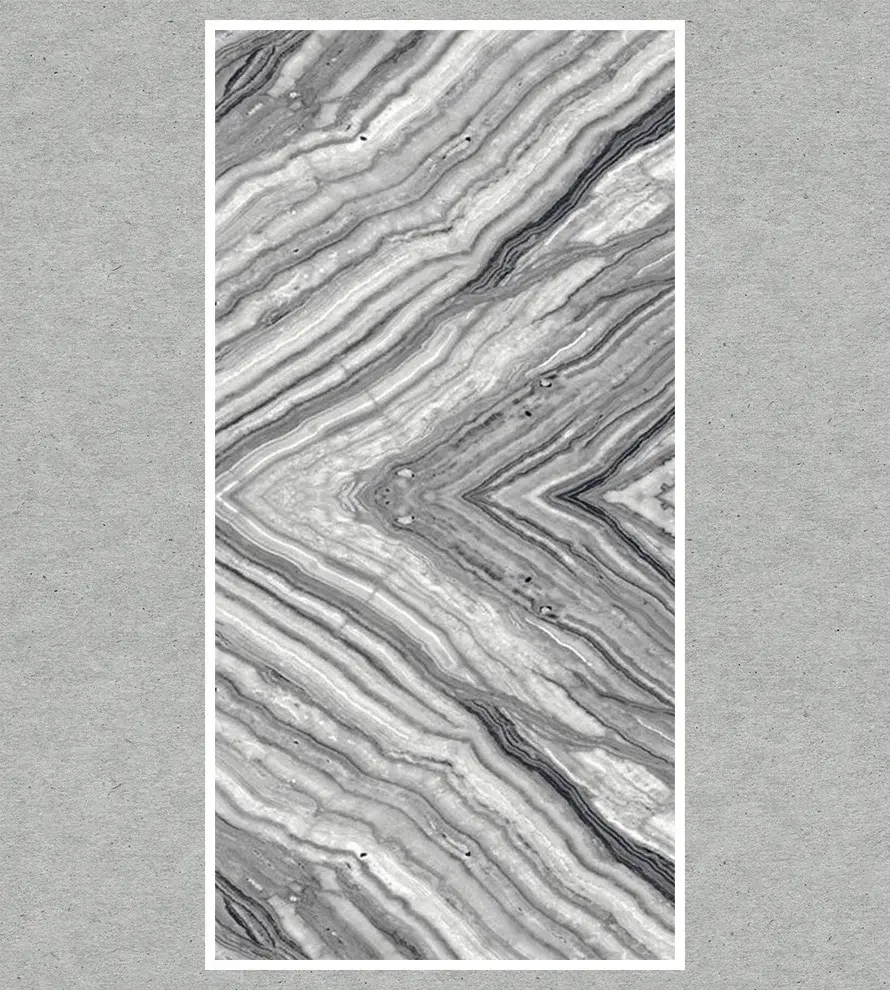
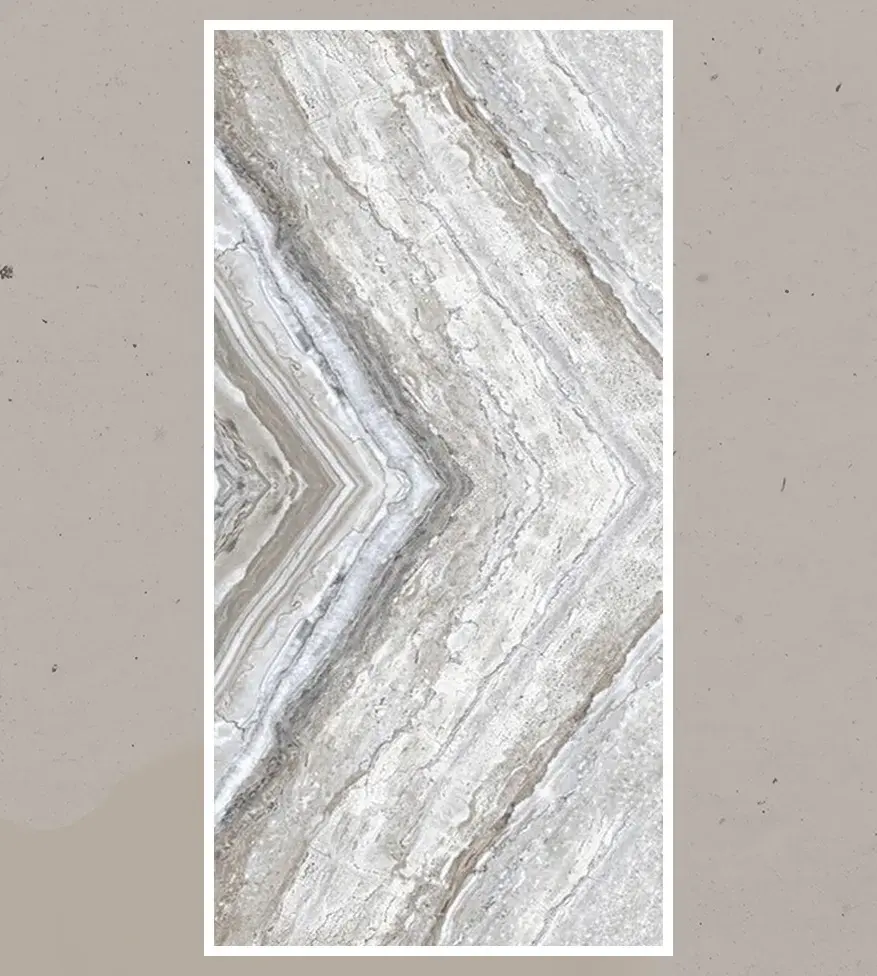
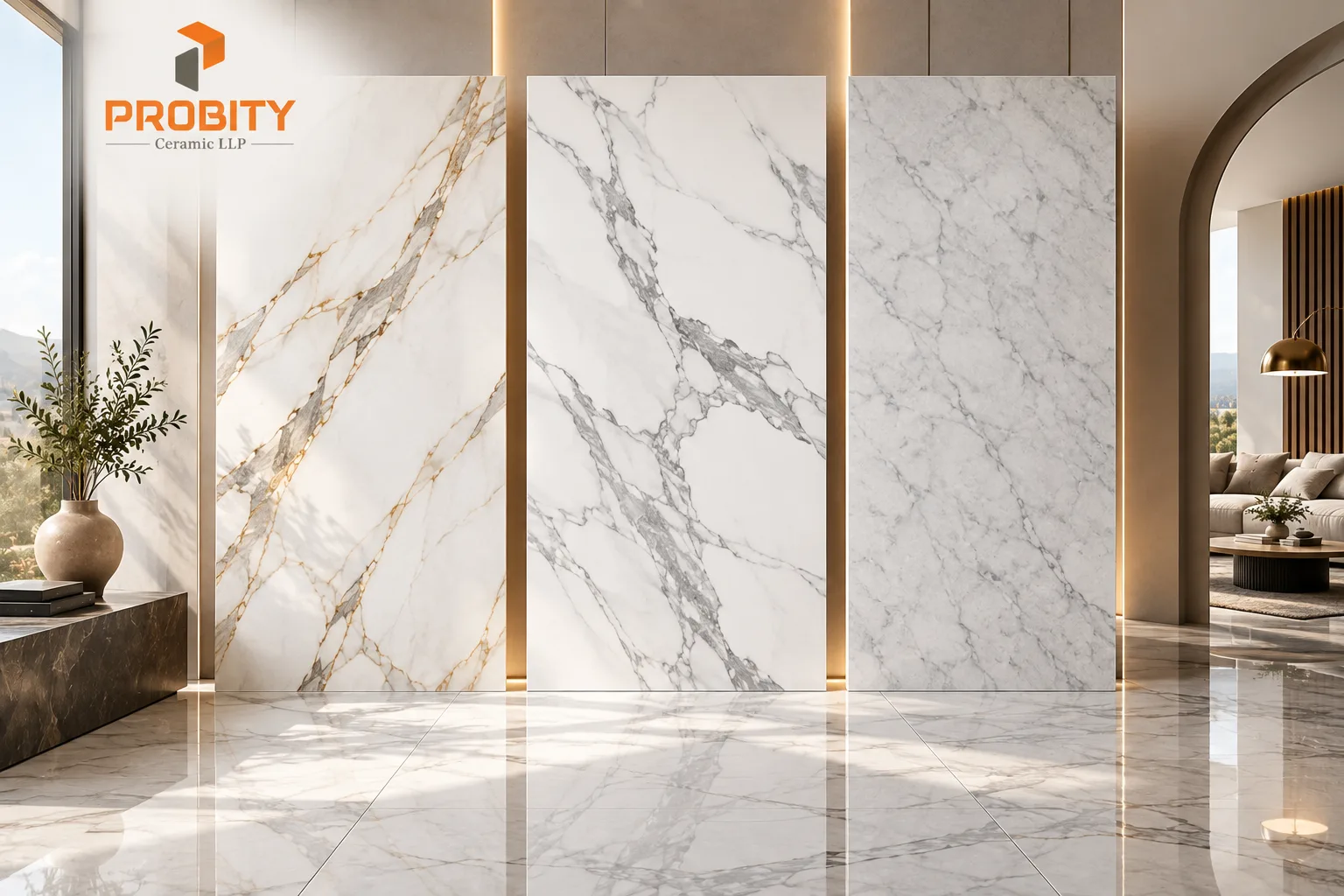
Calacatta vs Statuario vs Carrara Porcelain Tiles
Artículos relacionados

Protect Tile Import Margins from Rising Freight Costs | Probity Ceramic
Freight cost volatility has become one of the defining risks in the tile import business. A container rate that was stable for eighteen months can move 30-60% within a single quarter in response to fuel prices, port congestion, capacity shortages, or geopolitical disruption on major shipping lanes. For an importer working on a fixed retail or project price, a freight spike that lands mid-shipment can erase the entire margin on that order.Unlike raw material cost or currency movement, freight cost is often treated as a fixed pass-through - booked late, negotiated reactively, and absorbed rather than planned for. That reactive approach is precisely what erodes profitability fastest when rates move against you.This guide sets out a practical framework for tile importers, distributors, and project buyers to protect margins when freight costs rise - covering container optimisation, sourcing structure, Incoterm selection, packaging efficiency, contract design, and the role your manufacturing partner plays in absorbing volatility rather than passing it straight through to you.1. Why Freight Costs Are Rising for Tile ImportersOcean freight rates on the lanes that matter most to tile importers - India to the GCC, Europe, Africa, Southeast Asia, and the Americas - have become structurally less predictable over the past several years. Several factors compound to drive this:• Bunker fuel price volatility, which feeds directly into base freight and surcharge structures• Port congestion and equipment imbalances that create container shortages on specific lanes• Rerouting around chokepoints (such as the Red Sea and Suez corridor), adding transit days and cost• Carrier alliance capacity management, which can tighten space on tile-heavy lanes during peak shipping seasons• Seasonal demand spikes ahead of major construction and retail cycles in destination marketsBecause porcelain tile is a heavy, high-density product shipped almost exclusively by FCL sea freight, importers feel freight rate movement more acutely than importers of lighter goods - freight can represent 15-30% of landed cost on a standard container, compared to a low single-digit percentage for many other product categories.2. How Freight Volatility Erodes Margin - and Why It's Often Invisible Until Too LateThe core problem is timing. Tile orders are typically quoted to the end customer or project weeks or months before the container is booked and loaded. If freight rates move upward between quotation and booking, that increase lands entirely on the importer's margin unless it was contractually passed through.This shows up in three specific ways:Margin compression on committed pricing. Fixed-price quotes to distributors, retailers, or project clients leave no room to recover a freight increase after the fact.Cash flow strain from advance payment structures. A 30% advance paid against a proforma invoice locks in product cost, but freight - often booked separately and later - can still move before the container sails.Erosion that compounds across a multi-shipment programme. A distributor with quarterly container orders can see a freight increase repeat and compound across every subsequent shipment if it isn't addressed structurally.The importers who protect margin most effectively are the ones who treat freight as a planned, actively managed cost line - not a number that gets confirmed the week before loading.3. Maximising Container Utilisation: The First Line of DefenceFreight cost is charged per container, not per tile. This means the single most direct lever an importer controls is how much usable product value is loaded into every FCL.Optimise product mix by weight and volume. A container loaded purely to maximise carton count without considering weight distribution can leave usable capacity on the table. Work with your manufacturer's export team to model different size and product combinations against your container's weight and volume limits.Confirm actual tonnage per container for your specific product. Large-format slabs, full-body porcelain, and standard 600×600mm tiles all load differently. A manufacturer experienced in export loading will know the real achievable tonnage for each product category, not just a generic FCL estimate.Avoid partial or under-loaded containers. An LCL or part-loaded FCL shipment carries a materially higher freight cost per tonne than a fully loaded container. Where order volume allows, always prioritise full container loads.Reassess palletisation efficiency. Pallet configuration and stacking height directly affect how much product fits per container within safe load limits. This is a packaging engineering question worth raising directly with your manufacturer.4. Choosing the Right Incoterm for a Volatile Freight MarketThe Incoterm you buy under determines who carries freight risk between factory and destination, and this becomes especially important when rates are moving unpredictably.FOB (Free on Board). You arrange and pay for ocean freight directly. This gives you full visibility and control over freight booking, allowing you to shop rates, book early, or lock in contracts - but it also means you carry the full exposure to rate movement.CIF (Cost, Insurance, Freight). The manufacturer arranges and quotes freight as part of the landed price. This can simplify budgeting, but the quoted freight component may include a margin buffer, and you have less direct control over carrier selection or booking timing.CFR (Cost and Freight). Similar to CIF but without the insurance component bundled - worth considering if you already hold your own marine cargo insurance.In a rising freight environment, importers with strong freight-forwarder relationships and enough volume to negotiate directly often do better under FOB, since they can lock in rates independently of the manufacturer's quote cycle. Importers without established forwarder relationships may find CIF more predictable, provided the manufacturer's export team has strong carrier relationships and books in advance rather than at spot rate.5. Packaging and Weight Efficiency: An Underused Margin LeverPackaging weight is a frequently overlooked contributor to freight cost. Since ocean freight for tile is generally constrained by container weight limits before it is constrained by volume, every kilogram of unnecessary packaging weight is a kilogram of tile that isn't shipped.• Ask your manufacturer whether carton and pallet specifications have been engineered for weight efficiency without compromising breakage protection• Compare corrugated board grade and pallet type across suppliers - heavier, over-specified packaging on a low-risk product category adds cost without adding protection• Balance this carefully against breakage risk: under-packaging to save weight is a false economy if it increases damage claimsA manufacturer who can show you the actual weight breakdown of packaging versus product per container is demonstrating a level of export sophistication that pays off directly in your landed cost.6. Cutting Out Margin Layers: Direct Manufacturer SourcingWhen freight costs rise, every additional margin layer in your supply chain becomes proportionally more expensive to carry. Sourcing through a trading company or agent means absorbing both their margin and the freight increase, whereas a direct manufacturer relationship exposes you to freight movement alone.Direct manufacturer relationships also tend to give importers more room to negotiate on FOB pricing or shared freight risk during volatile periods, since the manufacturer has direct visibility into their own cost structure and more flexibility to adjust than a trader working off someone else's quote.7. Consolidation and Order Planning to Reduce Freight FrequencyEvery container shipped carries fixed cost components - documentation, port handling, customs processing - independent of freight rate itself. Consolidating smaller, frequent orders into fewer, larger shipments reduces how many times these fixed costs are incurred.Forecast further ahead. Moving from reactive, as-needed ordering to a quarterly or seasonal forecast allows you to plan container volumes rather than shipping partial loads under time pressure.Coordinate multi-product consolidation. If you buy multiple tile categories from the same manufacturer, consolidating them into single containers reduces total shipment count without reducing product range.Align order timing with your manufacturer's production schedule. Orders placed to align with existing production runs can sometimes access better freight booking windows than urgent, out-of-cycle orders.8. Contract and Pricing Structures That Absorb Freight ShocksThe most resilient importers build freight volatility into their commercial structure rather than absorbing it silently.Freight escalation clauses. For multi-shipment annual agreements, negotiate a clause that adjusts pricing if freight indices move beyond an agreed threshold - protecting both sides from extreme swings.Rate validity windows on quotations. Ensure any FOB or CIF quotation states clearly how long the freight component remains valid, so you aren't caught by a stale quote in a moving market.Pass-through clauses to your own customers. Where you sell on fixed pricing to distributors or project clients, consider building your own freight escalation language into those contracts, mirroring what you negotiate upstream.Advance freight booking. Where volume justifies it, booking freight capacity ahead of container readiness - even provisionally - can lock in rates before further increases.9. Currency Risk: The Freight Cost Multiplier Importers Often MissFreight is typically quoted and settled in USD, and tile product pricing is usually USD-denominated as well. When your local currency weakens against the USD at the same time freight rates rise, the two effects compound rather than simply add - a 10% freight increase combined with a 10% currency depreciation does not produce a 20% landed cost increase, it produces a larger one, since freight is calculated on top of a product cost that has also become more expensive in local currency terms.Hedging tools such as forward contracts, and timing large orders around favourable currency windows where feasible, are worth discussing with your finance team alongside your freight strategy - the two risks should be managed together, not separately.10. Building a Freight Contingency Into Your Landed Cost ModelRather than pricing projects and inventory on the freight rate available at quotation time, build a contingency band into your landed cost model - commonly 8-15% above the current quoted rate for orders with a long lead time between quotation and shipment.This protects your margin on the individual order and removes the pressure to either absorb a late-stage increase or attempt a difficult renegotiation with a customer after a price has already been committed.11. What to Look for in a Manufacturing Partner During High-Freight PeriodsNot every manufacturer manages freight volatility the same way. During periods of rising freight cost, the difference between a reactive supplier and an experienced export partner becomes very visible.• An export team that books freight proactively and communicates rate movement ahead of time, rather than surprising you at invoicing• Willingness to model container loading options that maximise your tonnage-to-freight ratio• Packaging that has been engineered for weight efficiency without increasing breakage risk• Flexibility on Incoterms, allowing you to choose the structure that best fits your freight risk appetite• Transparent, itemised quotations that separate product cost, packaging, and freight, so you can see exactly where a rate movement is coming fromA manufacturer with deep, established freight-forwarder relationships on your specific trade lane is often able to absorb short-term volatility more effectively than a smaller operation booking at spot rate for every shipment.ConclusionRising freight costs are a structural feature of international trade, not a temporary anomaly - and importers who treat freight as a passive, unmanaged cost line will see it erode margin repeatedly. Importers who actively manage container utilisation, sourcing structure, Incoterms, packaging efficiency, and contract design consistently protect profitability even when rates move sharply against them.The manufacturer relationship sits at the centre of nearly every lever in this guide. A manufacturing partner with genuine export sophistication - proactive freight booking, engineered packaging, transparent pricing, and flexible commercial terms - is one of the most effective tools an importer has for staying resilient through freight cycles, not just an upstream cost.
Living Room Floor Tiles Design: 15 Ideas for Your Space
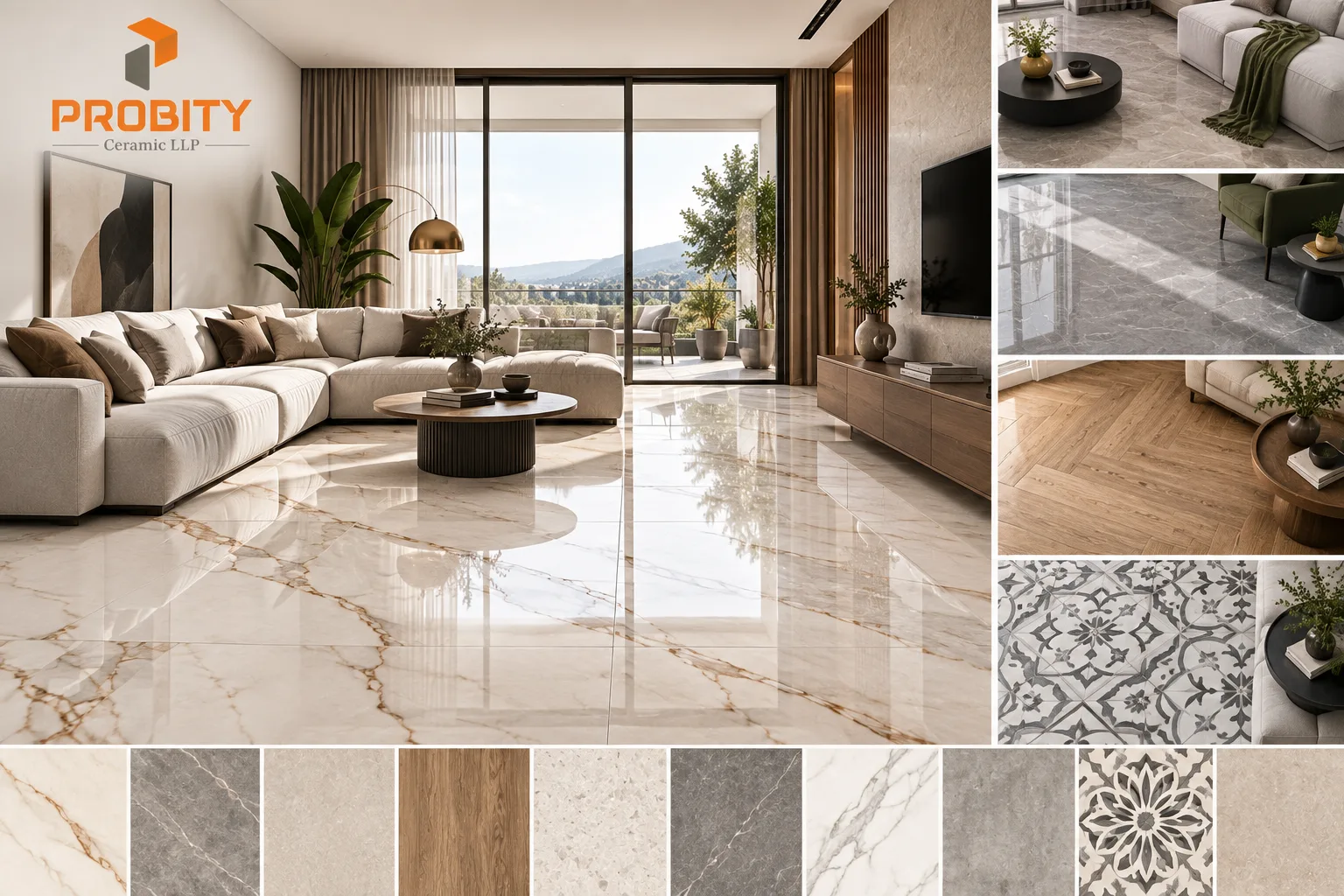
The living room floor sets the tone for the entire home it's the largest continuous surface most guests will see, and it has to work with everything from the sofa fabric to the natural light coming through the windows. Tile has become one of the most popular choices for this space, offering durability, easy maintenance, and a design range that now rivals natural stone and hardwood without the upkeep either material demands.Whether you're after something bold and conversation-starting or quietly elegant and timeless, this list of 15 living room floor tile design ideas covers a wide range of styles, colours, and layouts to help you find the right direction for your space.1. What to Consider Before Choosing Living Room Floor Tiles• Room size and natural light: Lighter tones and larger formats generally make smaller or dimly lit living rooms feel more spacious• PEI rating: Living rooms see regular foot traffic, so a PEI III or higher rating is generally recommended for lasting durability• Existing decor and furniture: The floor should complement, not compete with, your sofa, rugs, and wall colours• Underfloor heating compatibility: If you're planning underfloor heating, confirm the tile and installation method are rated for it• Long-term versatility: A floor is one of the more expensive and disruptive things to change, so consider how a bold choice will age with future furniture and decor updates2. 15 Living Room Floor Tile Design Ideas1. Classic White Marble-Look: A soft-veined, white-and-grey marble-look porcelain tile brings timeless elegance to a living room without the maintenance demands of natural marble. It pairs beautifully with both minimalist and traditional furniture styles and reflects light well in smaller spaces.2. Warm Wood-Look Planks: Wood-look porcelain tile delivers the warmth and texture of hardwood flooring with far greater resistance to moisture, scratching, and fading. Wide plank formats in warm oak or walnut tones create a cosy, inviting living room atmosphere.3. Large-Format Monolithic Grey: A large-format, monolithic-style grey tile with minimal grout lines creates a seamless, contemporary base that lets furniture and art take centre stage. This works especially well in open-plan living spaces.4. Bold Terrazzo Statement Floor: A colour-block or classic marble-chip terrazzo floor turns the living room into the room's main design feature, pairing beautifully with mid-century modern or eclectic maximalist furniture.5. Monochrome Geometric Pattern: A black-and-white or tonal geometric patterned tile adds graphic interest to an otherwise neutral living room, working particularly well in period-style homes or as a nod to Art Deco design.6. Warm Beige Stone-Look: Beige and sand-toned stone-look porcelain tile creates a calm, grounding base for living rooms with warm wood furniture and natural textiles, and works well in both traditional and contemporary interiors.7. Polished PGVT for a Luxe Finish: A high-gloss polished PGVT tile in a neutral tone adds brightness and a sense of formality, particularly effective in living rooms with high ceilings and abundant natural light.8. Concrete-Look Industrial Floor: A matte, concrete-look tile suits industrial-inspired or urban-loft living rooms, pairing well with exposed brick, black metal fixtures, and leather furniture.9. Herringbone Wood-Look Layout: Installing wood-look tile in a herringbone pattern rather than a straight run adds sophisticated visual texture and movement, elevating even a simple, neutral tile choice.10. Deep Charcoal for Drama: A deep charcoal or near-black tile creates a dramatic, moody backdrop that makes lighter furniture, brass accents, and greenery stand out vividly.11. Soft Terracotta Warmth: Warm terracotta-toned tile brings a Mediterranean or Southwestern character to a living room, working particularly well with earthy textiles and rattan or wood furniture.12. Quartz Body Granite-Look Floor: A quartz body tile with a fine granular texture offers a durable, understated stone-like look that suits both contemporary and transitional living rooms without overpowering the space.13. Two-Tone Bordered Layout: Framing a plain central tile field with a contrasting border tile — even a subtle tonal difference — adds architectural definition to an open-plan living area.14. Indoor-Outdoor Continuous Flooring: Using the same large-format tile across an indoor living room and an adjoining patio or balcony creates a seamless visual flow that makes both spaces feel larger and more connected.15. Soft Sage or Muted Green Tone: A muted, sage-toned tile is a distinctive alternative to traditional neutrals, pairing well with warm wood tones and cream furniture for a fresh, contemporary living room palette.3. How to Choose the Right Tile Size for Your Living Room• Small living rooms (under 200 sq ft): Medium to large format tiles (600×600mm or 600×1200mm) with minimal grout lines can help the space feel larger• Medium living rooms (200-400 sq ft): Most standard and large formats work well; consider the room's proportions and furniture layout• Large or open-plan living rooms (400+ sq ft): Large-format or monolithic tiles reduce visual clutter from grout lines and support a more cohesive, expansive look• Rooms with alcoves or awkward layouts: Slightly smaller formats can reduce cutting and wastage around irregular corners4. Tips for Choosing Tile Colour and Finish• Lighter tones reflect more light and generally suit smaller or north-facing rooms with limited natural light• Darker tones create a cosier, more intimate atmosphere but can make a small room feel more enclosed if not balanced with lighter walls and furnishings• Matte and satin finishes tend to hide dust and minor scuffs better than high-gloss finishes in everyday living spaces• Consider how the tile will read under your room's specific lighting always view large samples under both natural daylight and evening artificial light before deciding5. Common Mistakes to Avoid• Choosing a tile based on a small swatch rather than a full-size sample, which can misrepresent colour and pattern at scale• Selecting a highly trend-specific bold pattern for a large, permanent floor area that will be costly to change later• Overlooking PEI rating and durability in favour of appearance alone• Ignoring how the tile will transition to adjoining rooms, especially in open-plan homesConclusionThe right living room floor tile does more than cover a surface, it sets the tone for the entire room and needs to work in harmony with your furniture, lighting, and lifestyle for years to come. Whether you're drawn to the timeless elegance of marble-look porcelain, the warmth of wood-look planks, or the bold personality of terrazzo, there's a tile design to match nearly every living room style and layout.Before committing, always view large-format samples in your actual space under real lighting conditions, and weigh durability alongside aesthetics — the best living room floor is one that still looks and performs beautifully years after installation.
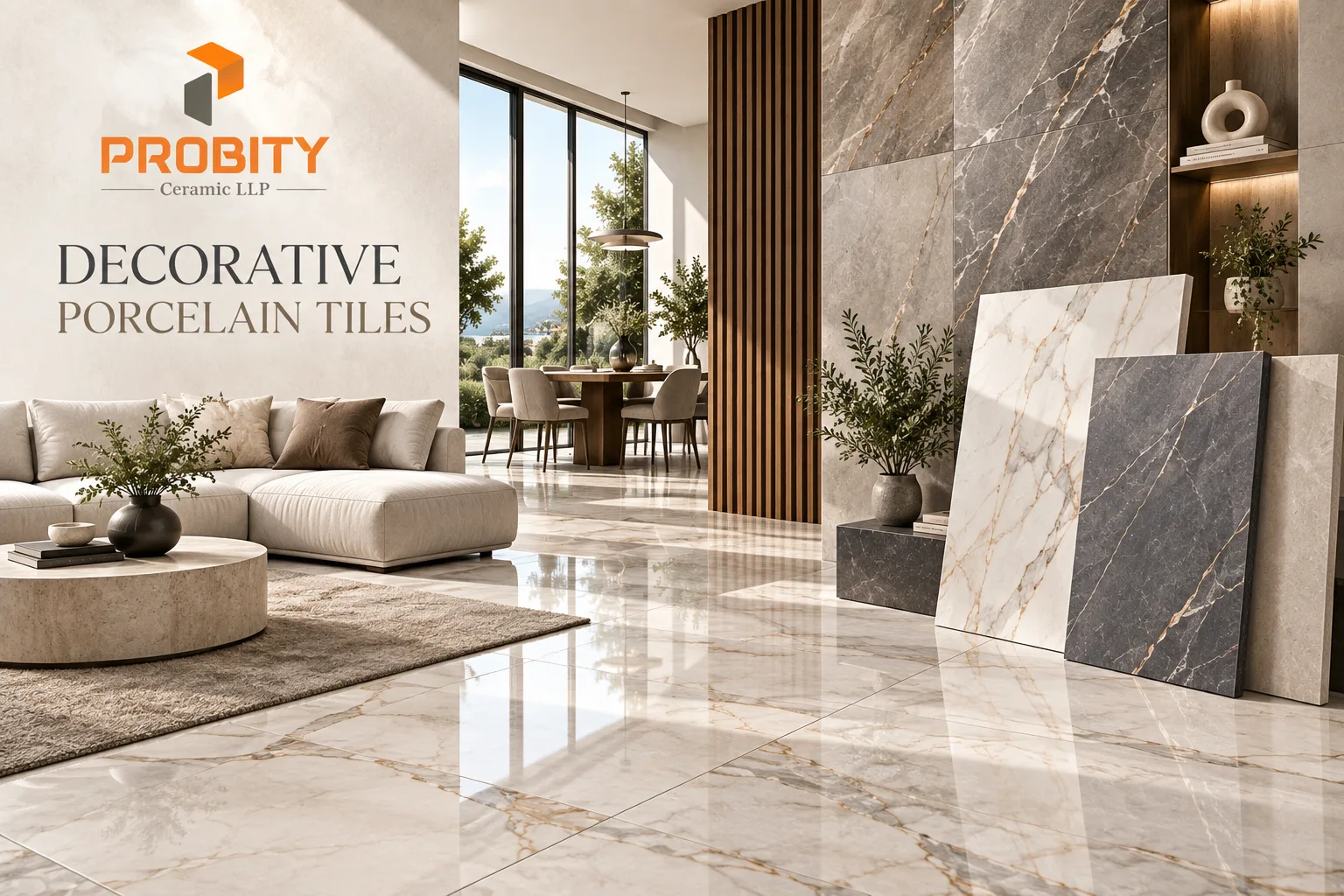
Decorative Porcelain Tiles: Types, Benefits & Design Ideas
Not every tile in a project needs to fade into the background. Decorative porcelain tiles exist specifically to do the opposite - to draw the eye, anchor a design scheme, and turn a functional surface into a genuine architectural feature. Thanks to advances in digital printing, embossing, and surface texturing, today's decorative porcelain tiles can achieve effects that would have required hand-crafted ceramics, natural stone, or specialist artisans only a decade or two ago.This guide covers the main types of decorative porcelain tile available, how they're made, where they work best, and how to combine them thoughtfully with the plainer tile categories that make up the rest of a project.1. What Are Decorative Porcelain Tiles?Decorative porcelain tiles are porcelain tiles designed primarily to create visual interest - through pattern, texture, colour, or dimensional relief rather than to serve as a neutral, large-area background surface. They're built on the same dense, vitrified porcelain body as standard tiles, but the surface treatment is engineered specifically to stand out rather than blend in.This category spans a wide range: bold geometric patterns, 3D textured relief tiles, metallic-effect finishes, encaustic-inspired prints, mosaic-look surfaces, and hand-painted-style designs are all considered decorative porcelain tile, united by their role as a feature element within a broader design scheme.2. Types of Decorative Porcelain TilesPatterned and geometric tiles: Bold repeating patterns, often inspired by Moroccan, Spanish, or Art Deco design traditions, used to create striking floors or feature walls.3D and textured relief tiles: Tiles with raised or sculpted surface texture, adding dimensional depth and shadow play that flat tiles can't achieve.Encaustic-look tiles: Digitally printed porcelain reproducing the look of traditional encaustic cement tiles, without the porosity or maintenance demands of the original material.Mosaic-effect tiles: Porcelain printed or cut to replicate the look of small-format mosaic tilework, offering the visual complexity of mosaic without individual piece installation.Metallic and lustre-finish tiles: Tiles with a reflective, metallic-toned glaze, often used sparingly as an accent in contemporary or glamorous interior schemes.Hand-painted-style tiles: Digitally reproduced artisanal patterns that replicate the look of hand-painted ceramic without piece-to-piece variation in production.3. How Decorative Porcelain Tiles Are ManufacturedDecorative porcelain tiles follow the same core porcelain production process pressing, drying, glazing, and firing with additional techniques applied to create their distinctive surface character:• High-resolution digital inkjet printing reproduces intricate patterns, colour gradients, and fine detail with strong repeat-to-repeat consistency• Embossing and mould-pressing techniques create raised or recessed surface texture for 3D and relief-style tiles• Specialised glaze formulations achieve metallic, lustre, or matte-textured surface effects• Digital pattern randomisation technology avoids obvious repeat patterns across multiple tiles laid together4. Key Benefits of Decorative Porcelain TilesDesign impact without structural change: A feature wall or accent floor can transform a space dramatically without any architectural modification.Durability of standard porcelain: Decorative tiles carry the same strength, water resistance, and longevity as any other vitrified porcelain product.Cost-effective statement-making: Achieving a hand-crafted or artisanal look through digital printing is typically far more affordable than sourcing genuine hand-made tile or natural stone.Consistency at scale: Unlike hand-crafted decorative tile, porcelain versions offer reliable colour and pattern consistency across large orders.Easy maintenance: Despite their decorative appearance, these tiles clean and maintain the same way as standard porcelain.5. Where to Use Decorative Porcelain TilesKitchen backsplashes: One of the most popular applications, where a bold pattern adds character without covering large surface areas.Bathroom feature walls: Behind a vanity or as a shower accent wall, decorative tile creates a focal point within an otherwise neutral space.Entryway and hallway flooring: Patterned or encaustic-look tile is frequently used to make a strong first impression at a home's entrance.Commercial and hospitality interiors: Restaurants, boutique retail, and hotel lobbies often use decorative tile to reinforce brand identity and create memorable spaces.Outdoor accent areas: Patterned tiles rated for exterior use can define pathways, pool surrounds, or patio borders.6. Design Ideas and Current Trends• Pairing a bold patterned floor with plain walls and minimal furniture to let the tile be the design statement• Using 3D textured tiles on a single feature wall to add depth without overwhelming a small space• Framing decorative tile within a defined border of plain porcelain, especially in entryways and hallways• Mixing metallic-accent tiles sparingly within a mosaic-effect layout for added visual sparkle• Using encaustic-look tile in a kitchen or laundry floor for a vintage-inspired, low-maintenance alternative to genuine cement tile7. Decorative vs Plain Porcelain Tiles: When to Use WhichDecorative and plain porcelain tiles play different roles in a design scheme, and understanding that difference helps avoid over- or under-using either type:• Primary role: Decorative tiles serve as a visual focal point through pattern or texture; plain tiles serve as a neutral background surface.• Best coverage area: Decorative tiles work best on accent walls, backsplashes, borders, and smaller floor areas; plain tiles are better suited to large floors, walls, and open areas.• Visual longevity: Bold decorative patterns are more trend-influenced and may feel dated sooner, while plain tiles tend to be more timeless and easier to update the surrounding decor around.• Typical cost: Decorative tiles are often priced higher per square metre due to print and texture complexity, while plain tiles are generally more cost-effective for large-area coverage.A common and effective approach is to use plain porcelain for the majority of a space's surface area, reserving decorative tile for a defined accent zone - this balances visual impact with long-term design flexibility and cost control.8. How to Combine Decorative Tiles with Other Tile Types• Anchor a decorative feature wall or floor area with plain porcelain in a complementary tone elsewhere in the room• Use a single decorative tile family consistently rather than mixing multiple bold patterns in the same sightline• Coordinate grout colour with the tile's base tone to avoid visually fragmenting an intricate pattern• Where budget allows, sample the decorative tile alongside your plain tile choice under actual room lighting before finalising9. Choosing the Right Decorative Tile for Your Space• Consider the scale of the pattern relative to the room - bold, large-scale patterns can overwhelm small spaces• Check PEI rating and slip resistance if the decorative tile will be used on flooring rather than walls• Think about longevity - highly trend-specific patterns are best used in easily updated accent areas rather than permanent, large-scale installations• Request full-size samples, since decorative patterns are difficult to judge accurately from small swatches or digital renders10. Maintenance ConsiderationsDecorative porcelain tiles are maintained the same way as standard porcelain - routine cleaning with a pH-neutral cleaner is generally sufficient. The one consideration worth noting is textured or 3D relief tiles, which can accumulate more dust or grime in recessed areas than a flat surface, and may benefit from a soft brush during cleaning to reach into textured detail.ConclusionDecorative porcelain tiles give designers and homeowners a way to introduce genuine visual character into a space without sacrificing the practicality that makes porcelain such a widely used material. From bold patterned floors to subtle metallic accents, the category has expanded significantly as digital printing and surface texturing technology have matured, making design effects that once required hand-craftsmanship achievable at scale and at a fraction of the cost.Used thoughtfully as a considered accent rather than an overwhelming default - decorative porcelain tile can define a space's character for years while still delivering the durability and easy maintenance that porcelain is known for.